The Foundation of a Successful Interior Home Renovation: Planning and Budgeting
Starting on an interior home renovation is an exciting journey, but like any significant undertaking, it requires a solid foundation of planning and budgeting. Without careful consideration at this stage, even the most ambitious projects can encounter unforeseen problems, delays, and cost overruns. Our goal is to guide you through this crucial initial phase, ensuring your renovation starts on the right foot.

From defining your vision to understanding the financial implications, every step here contributes to a smoother, more successful outcome. We’ll dig into how to scope your project effectively, create a realistic budget, and decide whether a DIY approach or professional help is best for your specific needs.
Defining Your Project Scope and Priorities
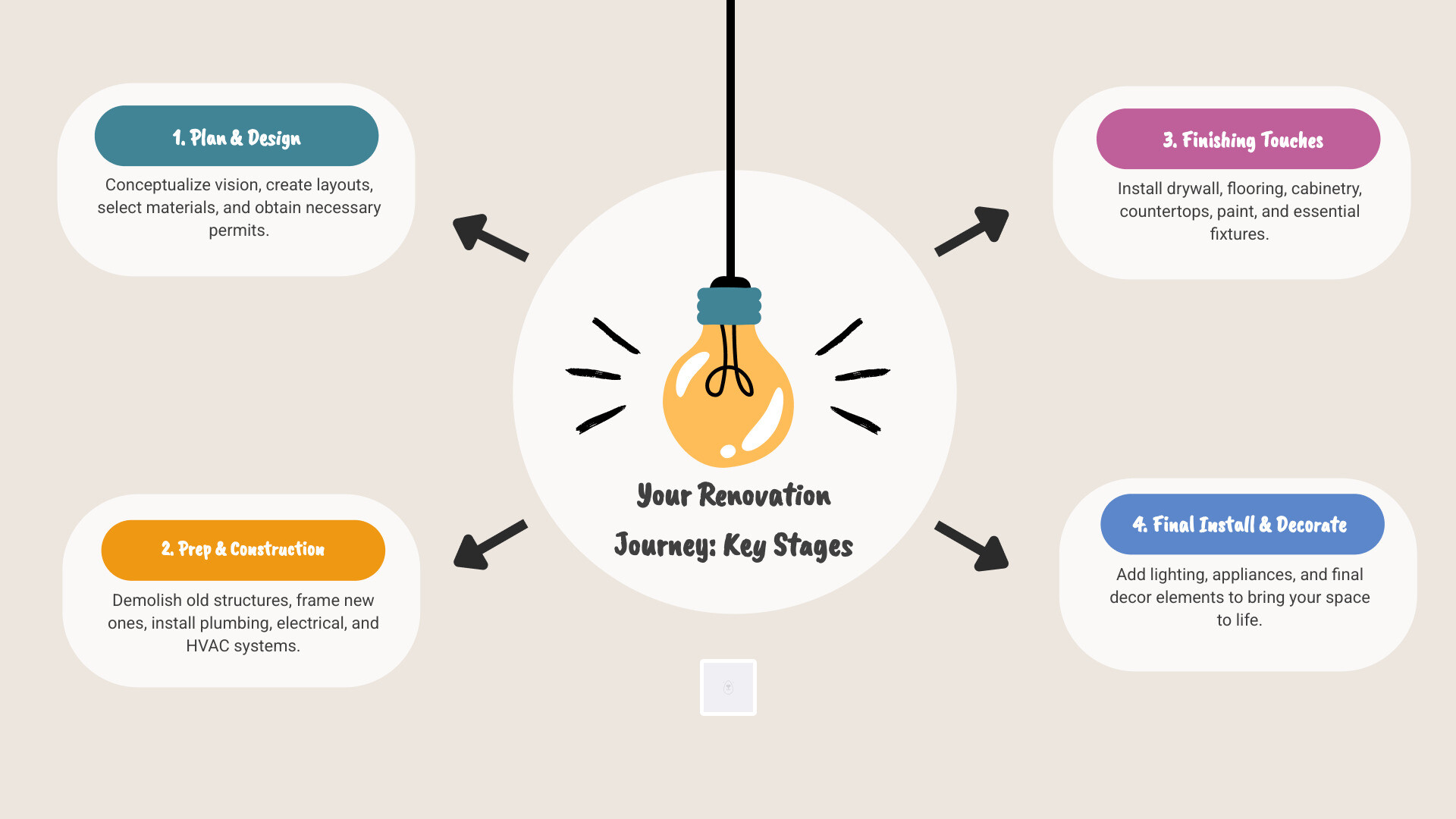
The first step in any interior home renovation is clearly defining what you want to achieve. Are you aiming for a cosmetic update, a significant functional change, or a complete overhaul? Breaking your project into essential stages and phases helps manage expectations and resources. These typically include:
- Planning & Design: This phase involves conceptualizing your vision, creating layouts, selecting materials, and obtaining necessary permits.
- Demolition: Removing existing structures, fixtures, and finishes to prepare the space for new construction.
- Rough-in Construction: This is where the ‘behind-the-walls’ work happens, including framing, plumbing, electrical, and HVAC system installations.
- Finishing: Installation of drywall, flooring, cabinetry, countertops, painting, and trim work.
- Fixture & Appliance Installation: Adding lighting fixtures, plumbing fixtures, and appliances.
- Decoration & Furnishing: The final touches that bring your renovated space to life.
While every renovation is unique, certain areas frequently top homeowners’ priority lists due to their impact on daily living and property value. Here are some common renovation priorities:
- Kitchens: Often considered the heart of the home, kitchen renovations offer significant returns in both functionality and aesthetic appeal.
- Bathrooms: Updating bathrooms can dramatically improve comfort and increase home value.
- Basements: Converting an unfinished basement into a functional living space adds valuable square footage.
- Living Areas: Renovating living rooms, dining rooms, or bedrooms to improve comfort, style, and flow.
Understanding these stages and prioritizing your needs will shape the entire project.
Creating a Realistic Budget and Timeline
Once your project scope is clear, establishing a realistic budget and timeline becomes paramount. The cost of renovating a house can vary widely, typically ranging from $19,500 to $88,500, with many homeowners paying an average of $52,000. However, these figures are general, and your specific costs will depend on several factors:
- Scope of Work: A minor cosmetic update will cost significantly less than a full structural renovation.
- Material Selection: High-end finishes and custom elements naturally drive up costs.
- Labor Costs: Labor often constitutes a substantial portion—about 50% to 60%—of the total renovation expense. Rates can vary by region; for instance, labor costs in metropolitan areas like Pittsburgh might differ from smaller towns.
- Contingency Fund: Always allocate an additional 10-15% of your total budget as a contingency fund for unexpected issues that may arise during the renovation process. This buffer is crucial for preventing financial stress.
Developing a realistic timeline also involves understanding the complexity of your project and the availability of materials and contractors. For example, custom cabinetry can have longer lead times than off-the-shelf options. Work with your contractor to establish a detailed schedule, allowing for potential delays due to inspections, material availability, or unforeseen site conditions.
DIY vs. Hiring a Professional
The decision to tackle a renovation project yourself or hire professionals is a critical one, influenced by your skills, time, and budget. While DIY can offer significant savings—potentially up to 50-60% by avoiding labor costs—it comes with its own set of challenges and risks.
DIY Approach:
- Pros: Cost savings, personal satisfaction, complete control over the project.
- Cons: Requires significant time, specialized skills, potential for costly mistakes, lack of insurance/warranties, and can be dangerous, especially when dealing with plumbing or electrical systems.
- Best for: Smaller, cosmetic projects like painting, installing simple fixtures, or minor flooring updates.
Hiring a Professional:
- Pros: Expertise, efficiency, access to specialized tools and knowledge of building codes, insurance coverage, warranties on work, and a potentially less stressful experience.
- Cons: Higher upfront cost.
- Best for: Complex projects involving structural changes, plumbing, electrical work, or when you lack the time or expertise. For tasks requiring knowledge of local regulations and safety standards, such as those in Pittsburgh, professional guidance is invaluable.
When considering professionals, vetting contractors is essential. Ask for references, check their licensing and insurance, and review their portfolio. A reputable contractor will provide a detailed contract outlining the scope of work, timeline, and payment schedule. This due diligence ensures quality work and a successful renovation outcome.
Popular and High-Impact Renovation Projects
Some interior renovation projects consistently deliver high returns on investment and significantly improve a home’s appeal and functionality. These are often the areas homeowners focus on first, understanding their transformative power. Let’s explore some of the most popular and impactful renovation projects that can truly redefine your living space.
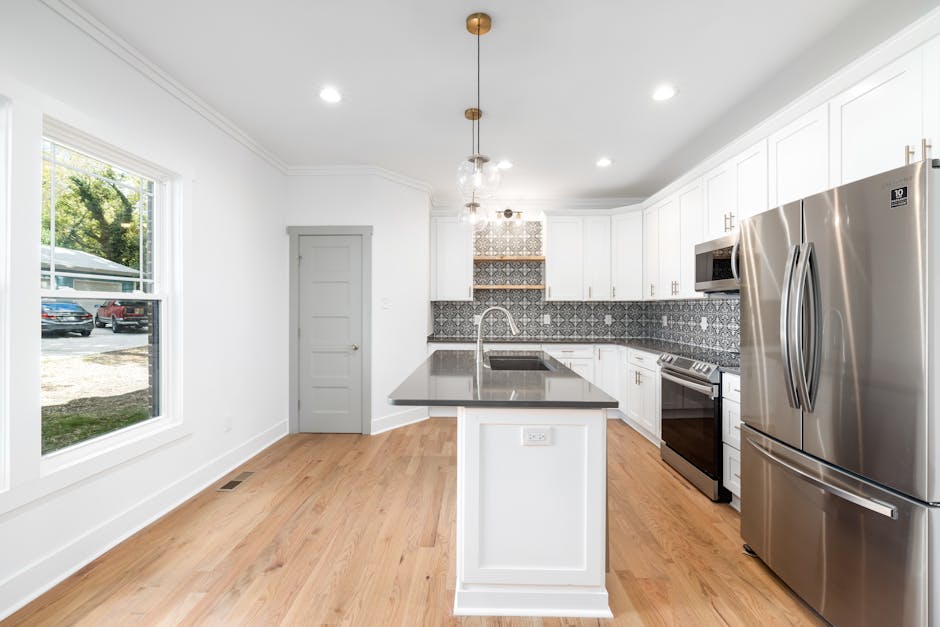
Whether it’s updating a dated kitchen, creating a spa-like bathroom, or maximizing unused basement space, these renovations are key to boosting comfort, style, and overall home value.
The Heart of the Home: Kitchen Renovations
The kitchen is undeniably the heart of most homes. It’s where meals are prepared, families gather, and memories are made. Consequently, a kitchen renovation is one of the most impactful interior projects you can undertake, often yielding a high return on investment (ROI) of 77% to 91% in its first year, depending on various factors like neighborhood home prices and design choices.
A successful kitchen renovation goes beyond aesthetics; it prioritizes functionality and layout planning. Considerations include:
- Cabinetry: The backbone of kitchen storage and style. Options range from custom-built units to semi-custom and stock cabinets. For homeowners seeking high-quality custom work, exploring craftsman interior renovations can provide inspiration for bespoke cabinetry and finishes that perfectly match your vision and space.
- Countertops: Material choices like granite, quartz, marble, or laminate significantly impact both durability and design.
- Islands: A well-designed island can add workspace, storage, seating, and a focal point to the kitchen.
- Appliances: Integrating modern, energy-efficient appliances can improve functionality and reduce utility costs.
- Lighting: Layered lighting (ambient, task, accent) is crucial for both functionality and creating the right atmosphere.
Thoughtful planning in these areas ensures your new kitchen is not only beautiful but also a highly efficient and enjoyable space for daily life.
Creating a Personal Sanctuary: Bathroom Remodels
Next to the kitchen, bathroom remodels offer one of the highest returns on investment and significantly increase a home’s property value. Beyond financial gains, a renovated bathroom can transform a utilitarian space into a personal sanctuary, offering comfort and relaxation.
When planning a bathroom remodel, it’s crucial to avoid common, costly mistakes. These often include poor layout planning, inadequate ventilation leading to moisture issues, or selecting materials not suited for a wet environment. Key considerations for a successful bathroom renovation include:
- Fixture Selection: Choosing modern, water-efficient toilets, sinks, and showers not only updates the look but can also save on water bills.
- Tile and Flooring: Durable, slip-resistant, and moisture-proof materials are essential. Design choices here can dramatically alter the room’s feel.
- Lighting: Bright, even lighting is necessary for tasks, while dimmer options can create a spa-like ambiance.
- Ventilation: A high-quality exhaust fan is critical to prevent mold and mildew growth.
- Maximizing Small Spaces: Clever storage solutions, wall-mounted fixtures, and thoughtful layouts can make even the smallest bathrooms feel spacious and luxurious.
Opening up Potential: Basement and Attic Conversions
Unfinished basements and attics represent untapped potential within many homes. Converting these often-neglected areas into functional living spaces is an excellent way to increase your home’s square footage and add significant value without the cost or complexity of a full home addition.
- Basement Conversions: Transform a dark, damp basement into a vibrant area. Popular options include:
- Home Office: A quiet, dedicated workspace.
- Guest Suite: A comfortable space for visitors, often including a bathroom.
- Entertainment Room: A media room, home theater, or game room.
- Additional Bedrooms: Increasing sleeping capacity. Crucially, basement conversions often require addressing moisture issues, improving insulation, and ensuring adequate egress (emergency exits) to meet building codes.
- Attic Conversions: Attics can be converted into cozy bedrooms, playrooms, or creative studios. Key considerations include:
- Structural Support: Ensuring the floor can bear the weight of a finished room.
- Insulation and Ventilation: Essential for comfort and energy efficiency, especially in extreme temperatures.
- Access: Installing a proper staircase for safe and convenient entry.
- Headroom: Ensuring sufficient ceiling height for comfortable living.
Both basement and attic conversions offer unique opportunities to tailor your home to your evolving needs, providing versatile spaces that improve daily life.
Navigating the Construction Phase for a Smooth Project
The construction phase is where your renovation vision begins to take physical form. While exciting, it can also be the most challenging part of the process, requiring careful project management, quality control, and consistent communication. Our aim is to help you steer this stage effectively, minimizing stress and ensuring a high-quality outcome.

This section will cover essential questions to ask your contractor, strategies for managing unexpected issues, and how to integrate modern comforts and systems into your renovated space.
Key Questions to Ask Your Interior Home Renovation Contractor
Choosing the right contractor is paramount for a successful renovation. Before hiring, and throughout the construction phase, asking pertinent questions ensures transparency, accountability, and alignment with your expectations. Here’s a list of essential questions we recommend homeowners ask potential contractors, especially those working in areas like Pittsburgh:
- Are you licensed and insured in Pennsylvania? Verify their credentials and ensure they carry liability and worker’s compensation insurance.
- Can you provide local references? Speak to past clients about their experience, project management, and quality of work.
- How do you handle project changes and unexpected costs? Understand their process for change orders and how they communicate potential budget impacts.
- What is the payment schedule? Clarify the payment milestones and ensure they align with project progress. Avoid contractors who demand a large upfront payment.
- What is the estimated timeline? Get a clear, detailed schedule for each phase of the project, including start and end dates.
- Who will be my primary point of contact? Establish a single point of communication for all questions and concerns.
- How do you ensure quality control? Ask about their inspection processes and how they address any deficiencies.
- What warranty do you offer on your work? Understand the duration and scope of their workmanship guarantee.
- How do you manage site cleanliness and safety? Discuss their protocols for maintaining a tidy and safe work environment.
- Do you obtain all necessary permits? Confirm that they will handle all required local permits, particularly important in regulated areas like Pittsburgh.
These questions empower you to make an informed decision and foster a strong working relationship with your chosen professional.
Managing Unexpected Issues and Changes
Even with meticulous planning, interior renovations can uncover unexpected challenges. Common issues include hidden structural damage, outdated electrical wiring not up to current codes, or unforeseen plumbing problems behind walls. How these challenges are managed can significantly impact your project’s timeline and budget.
- Communication is Key: Maintain open and frequent communication with your contractor. They should inform you immediately of any unexpected findies.
- Change Orders: For any modifications to the original plan, insist on a formal change order. This document should detail the new scope of work, associated costs, and any impact on the timeline. Both parties should sign off on all change orders to avoid misunderstandings.
- Problem-Solving: Work collaboratively with your contractor to find practical and cost-effective solutions. Your contingency fund is designed for precisely these situations.
- Local Permits: Be aware that certain changes, especially those involving structural, electrical, or plumbing systems, may require additional permits from local authorities. Your contractor should handle this, but it’s important to be informed.
Addressing these challenges proactively and transparently ensures the project stays on track as much as possible, minimizing disruptions and maintaining the quality of the final outcome.
Integrating Modern Comforts and Systems
A major interior renovation presents a golden opportunity to not only update your home’s aesthetics but also to upgrade its core systems. Integrating modern comforts and efficient technologies can significantly improve your home’s long-term functionality, comfort, and energy performance.
- Updating HVAC: If walls are open, it’s an ideal time to assess and upgrade your heating, ventilation, and air conditioning (HVAC) system. Modern HVAC systems are far more energy-efficient and can provide superior climate control.
- Electrical Upgrades: Older homes often have outdated electrical systems that can’t handle modern power demands. Renovations allow for rewiring, adding more outlets, dedicated circuits for appliances, and smart home integrations. This improves safety and convenience.
- Plumbing Efficiency: Replacing old pipes, installing water-efficient fixtures, and rerouting plumbing lines can improve water pressure, reduce leaks, and save on water bills.
Considering these upgrades during a renovation is a strategic investment. For instance, Smart climate solutions can significantly improve your home’s comfort and energy efficiency for years to come. By integrating advanced thermostats, zoned heating/cooling, and high-efficiency units, you can create a more comfortable indoor environment while also lowering your carbon footprint and utility expenses. This forward-thinking approach ensures your renovated home is not only beautiful but also smart, sustainable, and highly functional.
Frequently Asked Questions about Interior Renovations
As homeowners contemplate changing their living spaces, several common questions often arise. We’ve compiled answers to some of the most frequently asked questions to provide clarity and guidance as you plan your interior home renovation journey.
How much does an interior renovation increase home value?
The impact of an interior renovation on home value varies significantly based on the type of project, the quality of materials and workmanship, and the local real estate market. Generally, kitchen and bathroom renovations tend to offer the highest return on investment (ROI), often recouping a substantial portion of their cost at resale. For example, a mid-range kitchen remodel can return 54-77% of its cost, while a bathroom remodel might return 56-70%.
However, the key is to renovate appropriately for your neighborhood. Over-improving a home beyond local comparable values may not yield the desired return. A quality renovation that aligns with current buyer preferences can significantly boost appraisal value, especially in competitive markets like Pittsburgh, making your home more attractive and commanding a higher price. Beyond monetary value, renovations also improve your home’s functionality and your personal enjoyment of the space.
How long does a typical renovation take?
The duration of an interior renovation project is highly dependent on its scope and complexity. There’s no one-size-fits-all answer, but we can provide some general estimates:
- Minor Cosmetic Updates (e.g., painting a room, replacing light fixtures): A few days to a week.
- Standard Bathroom Remodel: Typically takes 2-5 weeks, depending on whether the layout changes and the extent of plumbing/electrical work.
- Full Kitchen Renovation: Often takes 4-8 weeks or more, especially if custom cabinetry is involved, or if the layout is significantly altered, requiring plumbing and electrical rerouting.
- Basement or Attic Conversion: Can range from 6-12 weeks, depending on the need for structural changes, insulation, and the addition of bathrooms or kitchens.
- Whole-Home Renovations: These are the most extensive and can take several months, often 3-6 months, or even longer for very large or complex projects.
These timelines are estimates and can be affected by factors like material lead times, unforeseen issues, contractor availability, and the homeowner’s responsiveness to decisions.
Can I live in my house during the renovation?
Whether you can remain in your home during a renovation depends heavily on the project’s scale and the areas being renovated.
- Single-Room Projects (e.g., bedroom, living room): It is often possible to live in your house during these renovations, especially if proper dust barriers and safety measures are put in place. You might need to temporarily relocate furniture and deal with noise and dust, but daily life can largely continue.
- Kitchen or Main Bathroom Renovation: These can be more disruptive. Without a functional kitchen or primary bathroom, living in the home can be challenging. Many homeowners opt to set up a temporary kitchen or use alternative facilities.
- Large-Scale or Multi-Room Renovations (especially involving main living areas, structural work, or extensive utility shutdowns): It is often impractical, unsafe, and highly uncomfortable to live in the house. Dust, noise, lack of utilities (water, electricity), and safety hazards make temporary relocation (e.g., to a rental, hotel, or with family) a more advisable option.
Discuss this with your contractor during the planning phase. They can advise on the feasibility and necessary precautions, helping you make the best decision for your family’s comfort and safety.
Conclusion: Enjoying Your Newly Transformed Home
Completing an interior home renovation is a significant milestone—the culmination of careful planning, thoughtful design, and diligent execution. As we conduct the final walkthrough, inspecting every detail and ensuring everything meets our expectations, we transition from the process of renovation to the pleasure of living in our newly transformed space.
The long-term benefits of a well-executed renovation extend far beyond immediate satisfaction. We gain increased comfort, with spaces perfectly custom to our lifestyles. Functionality is improved, making daily routines smoother and more efficient. And perhaps most importantly, we now have a home that truly reflects our personal style and aspirations. The value of careful planning, from initial budgeting to contractor selection and managing unexpected challenges, cannot be overstated. It is this meticulous approach that ensures a successful outcome, allowing us to fully enjoy the improved comfort, beauty, and efficiency of our revitalized home for years to come.