
Key Takeaways
- Layered lighting enhances depth and ambiance in outdoor spaces.
- Integration of lighting with architectural elements creates a cohesive design.
- Energy-efficient solutions, such as LED technology, help minimize environmental impact.
- Biophilic designs deepen the connection between lighting and nature.
- Smart lighting systems enable flexible, automated control for any lifestyle.
Outdoor lighting has evolved far beyond basic illumination, becoming a vital component in modern landscape design. Today’s trends emphasize not only functionality but also ambiance, safety, and energy efficiency. From subtle path lights that guide visitors to dramatic uplighting that highlights architectural features, lighting can transform a yard into a visually striking extension of the home. Advances in LED technology and smart controls enable customizable setups that adapt to various occasions, moods, and seasonal changes, making outdoor spaces more versatile and enjoyable.
For homeowners and professionals alike, consulting experts like Austin Outdoor Lighting Design can be an invaluable resource in bringing modern concepts to life and ensuring both efficacy and aesthetic integration. Thoughtful design strikes a balance between brightness and shadow, color temperature and natural surroundings, and functionality and visual appeal, reflecting the growing trend of outdoor lighting as an essential element in contemporary landscape planning.
Layered Lighting: Creating Depth and Ambiance
Effective outdoor lighting strategies employ a layered approach, combining ambient, accent, and task lighting to create a visually rich space. Ambient lighting ensures that areas are safe and inviting, accent lighting highlights focal points, such as garden sculptures or architectural details, and task lighting is reserved for walkways or outdoor kitchens, where focused illumination is essential. This arrangement allows for flexibility—spaces can be made cozier or more dramatic by simply adjusting the mix or intensity of lights as needed. According to studies, choosing warm light enhances the organic textures in stone and wood, making spaces feel up to 20% more welcoming compared to stark, cooler lighting.
Architectural Integration: Blending Light with Design
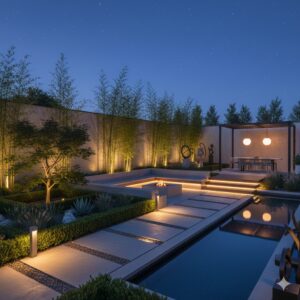
Modern outdoor lighting trends align with the lines and materials of a home’s architecture. Low-profile fixtures and thoughtfully placed lights enhance the building’s geometry and surfaces, such as grazing fixtures that gently brush textured walls or uplights that accentuate dramatic structural forms. Integrating lighting housings into decks, walls, or beneath steps creates a seamless look that prioritizes visual balance and refined elegance, instead of merely illuminating dark corners. These discreet systems not only prevent clutter in the landscape but also elevate the overall curb appeal.
Energy-Efficient Solutions: Sustainability in Illumination
Rising energy costs and growing environmental awareness have put energy-efficient outdoor lighting in the spotlight. Low-voltage LED technology now dominates outdoor environments, often reducing power requirements by up to 80%. Homeowners benefit from long-lasting bulbs, lowered utility bills, and less frequent maintenance, making these solutions practical for all types of properties. According to the Environmental Protection Agency, implementing energy-efficient lighting is among the top ways to reduce a home’s carbon footprint while enhancing its nighttime beauty. Smart controls further improve efficiency, allowing lights to dim or turn off when not in use.
Biophilic Designs: Embracing Natural Forms
As designers seek to reconnect people with the outdoors, biophilic lighting aims to echo nature’s patterns. Using filtered glows, shadow play, and organic arrangements, this technique softens artificial boundaries, bringing the tranquility of a sun-dappled forest or moonlit garden into residential and hospitality spaces. Warm colors and diffused beams mirror the soothing nature of natural daylight, supporting relaxation and well-being for both guests and homeowners. Shadows and highlights are strategically utilized to mimic the variability of sunlight filtering through tree canopies, helping to blend the hardscape and plantings into a harmonious composition.
Smart Lighting Systems: Convenience and Control
Technological advances in outdoor lighting have introduced unprecedented control and flexibility. Smart lighting systems enable users to control lights remotely through mobile apps, voice assistants, or preset schedules that adjust to changing daylight conditions or event needs. Homeowners can easily switch between scenes—from lively gatherings to intimate evenings—without manual intervention. These systems also help maximize efficiency, as lights can activate only when motion is detected or according to daylight patterns, thereby reducing unnecessary use and extending the lifespan of fixtures. Integration with other smart home features, such as security systems, adds an extra layer of convenience and peace of mind.
Moonlighting Technique: Mimicking Natural Illumination
Inspired by the gentle light of the moon, the moonlighting technique involves installing soft downlights high in mature trees or atop architectural elements, casting serene shadows and a subtle glow that allows spaces to feel safe yet romantic. This natural mimicry helps extend evenings outdoors, providing enough illumination for movement without detracting from the tranquil nighttime atmosphere that’s ideal for relaxation or entertaining in style. Moonlighting is particularly effective above patios, garden beds, and winding walkways, where it produces a dappled light pattern similar to that found under a canopy of trees.
Color-Changing Lights: Versatility in Ambiance
Dynamic, color-changing LED lights are driving creativity in landscape lighting. With a tap on a smartphone or voice command, homeowners can switch colors to match an event’s theme—whether that’s vibrant hues for a party or calming blues for a quiet night. These systems offer endless flexibility, appealing to families who enjoy updating their decor seasonally and hosts who create memorable outdoor gatherings. Color-changing lights are especially popular around pools, patios, and garden focal points, adding a theatrical flair not possible with traditional single-tone systems. As these solutions become more accessible, expect color to play an increasingly significant role in personalized lighting design.
Minimalist Fixtures: Subtle Yet Effective
Today’s outdoor lighting design emphasizes the concept of “less is more.” Minimalist fixtures, often finished in subdued tones or concealed entirely, allow the play of light itself to become the focus. Modern landscapes use slender, discreet fixtures that blend seamlessly with plantings and hardscape, prioritizing clarity and reducing visual clutter. Features like narrow beam angles highlight specific plants or paths for a customized effect, while hidden wire routing and anti-glare lenses maximize comfort and safety. The result is a clean, quiet design that flatters both architecture and greenery, elevating the overall elegance of an outdoor environment.
Conclusion
Contemporary outdoor lighting trends prioritize harmony, sustainability, and personalized control. By embracing layered setups, architectural integration, energy efficiency, nature-inspired designs, smart automation, and minimalist technology, homeowners unlock the full potential of their outdoor spaces—creating welcoming, functional, and visually stunning landscapes that add value for years to come.