Key Takeaways
- Proactive roof inspections prevent minor damage from becoming costly repairs.
- Homeowners can spot visible issues, but yearly professional checks are a must.
- Staying alert to signs of wear ensures your roof’s longevity and your family’s safety.
Your roof protects your home from elements, preserves the value of your home, and allows you to avoid costly emergency repairs. Performing regular inspections helps detect minor issues before they become significant problems, so think about partnering with your local Apex, NC roofing company for experienced guidance and long-lasting solutions to your roofing needs.
Although many homeowners feel comfortable doing visual inspections, having a professional do an annual assessment of your roof allows you to catch potential problems, including those that might not be readily apparent.
When you have an understanding of roof health fundamentals, you can respond to early warning signs quickly, extending the life of your roof and saving yourself money in the long-run.
In addition to helping you avoid expensive emergency repairs, maintaining your roof helps to provide a safe and healthy environment for your family. A neglected roof can lead to roof leaks, mold growth, and structural weaknesses, all of which can affect the safety and health of those living in your home.
Importance of Regular Roof Inspections
Regular roof checks are an essential part of protecting your home from expensive damages associated with leaks, mildew, and rot. According to a study conducted by the International Association of Certified Home Inspectors, roofs that received regular care often last longer than those that don’t. Annual roof inspections (particularly after periods of extreme weather) can help achieve maximum roof longevity and maximize the value of your property.
Conducting a Basic Roof Inspection
If you are proficient in basic DIY tasks, you can safely inspect your roof visually from the ground or from a steady ladder. There are a few basic procedures to follow during these inspections:
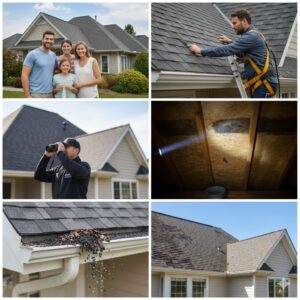
- Exterior Survey- Walk around your house and check for missing, loose, or curling shingles. Check the flashing (the pieces of metal that surround your chimney, vent, or skylight) for cracks and looseness. Flashing is one of the main causes of roof leaks.
- Interior Inspection- Go into the attic and check for water stains, mold, or damp spots. Be sure to carefully check the rafters and the roof deck for any indication of moisture.
- Gutter Condition- When gutters are clogged with debris, they will not be able to drain properly. Water will back up and damage both your roof and your siding. Inspect your gutters for any debris accumulation; granules from the shingles accumulating in your gutters is an indication of wear and tear.
Common Signs of Roof Damage
- Issues with Shingles: Missing, cracked or warped shingles are one of the main signs your roof is in need of repair; therefore, they should be repaired as soon as possible to stop additional damage.
- Granule Loss: If you see dark patches or bare spots on your shingles (or a buildup of granules in your gutter system), then your shingles are old and will need repair.
- Stains from Water: Brown stain or brown spots on the ceiling indicate that there is either a leak or that there is not enough ventilation to maintain a dry attic space.
- Roof Deck that Sags: The presence of a sagging roof line indicates a potential structural problem or damage from a long-standing source of moisture and should be addressed quickly.
When to Call a Professional
While many inspection jobs performed at home are safe for the average homeowner to do themselves, some conditions will require a qualified professional to ensure your safety and the overall integrity of your roof:
- If your roof has suffered from extreme weather conditions like hurricanes, hail, or heavy snow.
- If you are currently experiencing leaks or have water stains on your ceiling.
- If your roof is more than 15 years old or if you suspect that it has been neglected for a long time.
Qualified roofing contractors have the expertise, tools, and training needed to detect problems on the surface of the roof as well as issues underneath the roofing material, which would not be easily noticed by someone without that training.
Final Thoughts
Roof inspections play an essential role in the overall maintenance of a healthy home. By conducting regular roof inspection assessments, being attentive to any warning signs, and following through on the recommendations from your professional inspector, you can minimize unexpected damages to your roof, keep your property looking its best, and ensure that you are free from worry about your roof throughout all seasons. Any homeowner can have peace of mind knowing that with the right steps and best practices, they can successfully maintain their roof’s quality for many years to come.
Frequently Asked Questions (FAQs)
How often should I inspect my roof?
In general, you should inspect your roof at least once a year, but you should also check it after a major weather event.
Can I inspect my own roof?
You can check for visible damage from the ground or via a ladder, however, having a professional inspect it would be much safer and more thorough.
What are the main signs of roof damage?
The most common indications of roof damage are missing/curling shingles, granules in the gutter, stains on the inside of the house, sagging roof areas, and moisture in the attic.
When is it time to call a professional roofer?
If your roof has experienced a significant storm, is leaking, or is more than 15 years old.
Will regular inspections actually extend the life of my roof?
Yes, by performing regular inspections, you will catch potential problems early enough to prevent larger, more expensive issues and increase your roof’s lifespan.