Table of Contents
- Native Plants and Drought-Resistant Varieties
- Edible Gardens
- Smart Irrigation Systems
- Use of Natural Materials
- Multi-Functional Outdoor Spaces
- Vertical Gardens
- Climate-Friendly Gardens
- Biophilic Design Features
- Final Thoughts
Now that sustainability is on everyone’s radar, homeowners, designers, and communities alike are using fresh perspectives to improve their outdoor spaces by integrating beautiful, functional, and environmentally responsible landscaping. Sustainable landscaping transforms how we use the outdoors by providing ways to incorporate a variety of environmentally friendly materials and plants that will continue to provide homeowners with both functional environments and a more energy-efficient way of enhancing their outdoor living experience. Homeowners who are ready to start their own backyards or are looking for landscaping in Raleigh, NC, have an opportunity to embrace current trends and ensure their gardens are sustainable and functionally sound while also serving as a way to show their love and care for Mother Earth. The sustainable methods of landscaping will also decrease the time spent on maintenance by homeowners while increasing the health and wellness benefits of all of those who will use the outdoor spaces they create.
By balancing natural beauty with ecological considerations, modern landscape design focuses on creating habitats for people and communities in such a way that supports and increases biodiversity, conserves our natural resources, and creates beautiful places to spend time with friends and family. Over the past several years, the need to prepare for future climate change, drought and urbanization has caused an increased emphasis on creating sustainable landscaping that not only looks nice but also does good for the environment as well. Sustainable landscaping has become synonymous with beautiful, meaningful spaces that support the future of outdoor living; however, many homeowners have realized that they can achieve those goals by utilizing available technologies, choosing native plants, and being mindful of the materials used to construct their outdoor spaces. When working with a landscape professional or when creating your own garden through do-it-yourself projects, choosing sustainable materials, eco-friendly plants, and ecologically sound practices will assist you in reducing the environmental impact you may potentially have through the construction of your outdoor living areas.
Edible gardens, biophilic design, and more are several current trends that highlight the many different ways we can use outdoor space in meaningful and beneficial ways that will positively impact both our personal enjoyment of nature and the positive contributions and long-lasting impacts those environments will have on the earth and environment in general.
Native Plants and Drought-Resistant Varieties
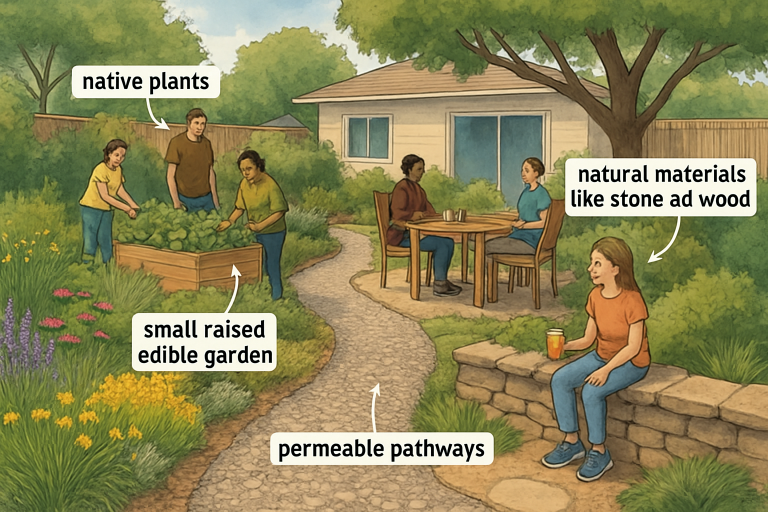
Sustainable landscaping starts from the use of native plants and drought-tolerant (dry-growing) kinds. Native plants are adapted to your area and climate, need less water than most other types of plants, and are not reliant on fertilizers or insecticides as much as other types of plants. These low-maintenance plants are beneficial in conserving water during times of drought (a growing occurrence). In addition, they provide habitat for local animals and insects, including pollinators. Incorporating native plant material in your landscape design increases biodiversity and resiliency, making the plants more cost-effective and environmentally friendly (as noted by Architectural Digest).
Edible Gardens
As the number of home gardeners with edible crops such as vegetable plants, herbs, and fruit trees expands, the popularity of these types of gardens has grown sharply. Home gardeners grow their own food and utilize underutilized land and are able to significantly reduce their carbon footprint since they are not transporting food from far away. The rise of the sustainability movement has led to many different types of edible landscapes including raised beds in small plots, community gardens in urban settings, and more. These gardens provide families with a source of organic, fresh produce as well as educational opportunities to teach family members about the importance of living a healthy lifestyle and preserving the planet.
Smart Irrigation Systems
Innovations in smart water management have changed how we think about watering our lawns. Modern technology allows us to know exactly how much moisture is in the ground at any given time, as well as how much rain is falling and what the temperature is. Smart irrigation controllers provide just the right amount of water based on what is needed. This prevents the problem of overwatering and will reduce the homeowner’s cost on their utilities. It also encourages plant roots to go deeper into the soil and supports a healthier environment in which to grow. The U.S. Environmental Protection Agency estimates that smart irrigation controller systems can provide average annual savings of thousands of gallons for an average household.
Use of Natural Materials
The materials used in a sustainable outdoor space should incorporate naturally sourced materials, sourced locally if possible. If you are looking for an environmentally friendly material that contributes to creating an outdoor space with a more organic feel and the minimum environmental impact. Using decomposed granite or a permeable surface for your walkways and patios will help absorb rainwater and reduce runoff, while allowing you to create walkways and patios that blend with the natural area.
Multi-Functional Outdoor Spaces
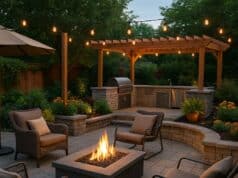
Landscapes today are used for everything from recreational activities to relaxation, gardening, wellness activities, and socialising. Landscape designers are focusing on flexibility in designing outdoor areas so that they are designed to accommodate multiple uses. Designs may include items such as outdoor kitchens, fire pits, yoga areas, children’s play zones, and patios for working from home. Shade structures, water features, and accessible pathways are purposely created so that people can utilize their contemporary outdoor living spaces all year round. This type of design will allow for more functional outdoor areas for people that promote the relationship between people and their outdoor environments.
Vertical Gardens
With shrinking urban lot sizes and increasing numbers of people living in apartments, vertical gardens, also known as living walls, provide a way to grow plants vertically within a small footprint so that the max
imum amount of usable floor space is preserved. Vertical gardens provide many environmental benefits; in addition to cleaning the air and insulating buildings, they can transform boring and empty areas into works of art. They are well-suited for use in urban settings because they are customizable, allowing for the inclusion of edible herbs, flowering plants, or succulents to meet individual taste and maintenance preferences.
Climate-Friendly Gardens
When designing a garden with resilience in mind, you must think about how we enjoy it today and what will happen with the weather in years ahead. Gardening can include many elements, such as drought-tolerant grasses, native perennials, rain gardens and permeable paving that reduce flooding and control stormwater runoff. All of these elements work together to help us create sustainable environments while reducing costs for homeowners. They also provide a healthy habitat for wildlife, including butterflies and other important pollinators.
Biophilic Design Features
Biophilic design integrates elements from nature into outdoor spaces to promote health and decrease stress. When natural components (e.g., water features, natural wood textures, plant clusters that provide different sensory experiences) are included in an outdoor space, they help create inviting environments where both children and adults can relax and engage with nature. Biophilic design will ultimately promote your health and well-being, as numerous studies indicate that simply being in the biophilic landscape lowers blood pressure and increases the ability to concentrate.
Homeowners who participate in these leading sustainable landscaping trends are creating outdoor spaces that are both pleasing to look at and eco-friendly. Multiple uses of landscape features, technological advances that help conserve water and limit water intake into landscaping, and native plant material that is uniquely adapted to the local area are some of the key sustainable landscaping practices that will help you build greener, more sustainable communities for all generations to come.
Final Thoughts
We have entered an age where landscaping isn’t intended to be a high-maintenance, resource-hungry environment anymore. The trends highlighted above—from the use of dryland native plants to the implementation of smart irrigation systems and biophilic design—very clearly indicate that sustainable landscaping does NOT mean sacrificing style but instead serves as the building block for sustainable living and creating greater experiences through providing an outdoor space that is more rich and resilient.
By choosing sustainable landscaping today, you are making a wise investment as a homeowner; at the same time, you are reducing your monthly water bill, decreasing your maintenance time, increasing biodiversity, and enhancing your overall quality of life. By using sustainable practices and lasting materials in your landscaping, you can transform your exterior into a functional and forward-thinking ecosystem. Your exterior space/rain garden can look amazing, but it will also have a positive environmental impact. Your gardens and outdoor areas represent you, your home and your values; therefore, in selecting sustainable options for all areas of the landscape, you create an outdoor space that can provide enjoyment as well as sustainable returns for generations to come.