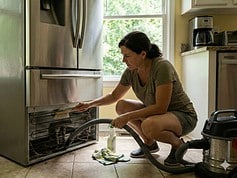
Some home problems give you time to plan. Others show up fast, cause serious damage, and force urgent decisions. Two of the most common surprise disasters homeowners face are storm-damaged trees and septic system backups. Both can happen with little warning, both can threaten safety and property, and both get worse quickly if handled the wrong way.
This guide breaks down what to watch for, what not to do, and when to call professionals. Think of it as a practical checklist you can use before a small issue becomes a major emergency.
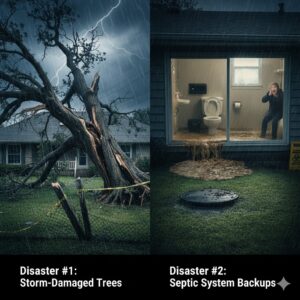
Disaster #1: Storm-Damaged Trees
Trees add beauty and value to a home, but during storms, they can turn into serious hazards. High winds, heavy rain, ice, or saturated soil can cause trees or large limbs to fail without notice.
Common Warning Signs to Watch For
Walk your property regularly, especially after storms. Look for these red flags:
- Trees are leaning more than they used to
- Cracks in the soil near the base of the trunk
- Exposed or lifting roots
- Large dead branches hanging overhead
- Split trunks or deep vertical cracks
- Mushrooms or fungal growth near the base
- Branches touching or hanging over your roof or power lines.
Even one of these signs can indicate a higher risk of failure. Multiple signs together mean urgent attention is needed.
Why Storm-Damaged Trees Are So Dangerous
A damaged tree does not always fall immediately. It may stand for days or weeks before suddenly giving way. When it does fall, it can:
- Crush roofs, fences, or vehicles.
- Tear down power lines.
- Block driveways or emergency access.
- Injure or kill people nearby.
Many homeowners underestimate how unpredictable compromised trees can be.
What NOT to Do
Avoid these common mistakes:
- Do not try to cut large branches or trees yourself.
- Do not use a ladder or chainsaw near unstable limbs.
- Do not ignore a leaning tree and hope it settles.
- Do not remove debris tangled in power lines.
- Do not wait until the next storm hits
DIY tree work is one of the leading causes of serious homeowner injuries.
When to Call a Professional
Call a tree professional immediately if:
- A tree is leaning after a storm.
- Large limbs are cracked or hanging.
- The tree is close to your home or power lines.
- Roots are lifting, or the soil is pulling away.
- You hear cracking sounds in the wind.
Licensed and insured tree care experts have the equipment, training, and experience to safely remove or stabilize hazardous trees and protect your property.
Disaster #2: Septic System Backups
Septic backups are messy, stressful, and potentially dangerous to health. They often appear suddenly, even if the system seemed fine the day before.
Early Warning Signs You Should Never Ignore
Septic systems usually give subtle clues before a major backup. Watch for:
- Slow-draining sinks, tubs, or toilets
- Gurgling sounds from drains
- Toilets that flush inconsistently
- Sewage odors inside or outside the home
- Wet or spongy patches in the yard
- Unusually green grass near the drain field
If more than one drain is affected, the issue is likely serious.
Why Septic Backups Escalate Quickly
When a septic system fails, wastewater has nowhere to go. Pressure builds, forcing sewage back into the home or up through the yard. This can result in:
- Contaminated floors and walls
- Damage to plumbing fixtures
- Exposure to harmful bacteria
- Expensive cleanup and restoration
The longer you wait, the worse the damage becomes.
What NOT to Do
These actions can make the situation much worse:
- Do not continue using water in the home.
- Do not pour chemicals or drain cleaners into drains.
- Do not attempt to open the septic tank yourself.
- Do not drive or park over the drain field.
- Do not ignore sewage smells.
Chemical cleaners can damage the system and kill beneficial bacteria, while continued water use can increase pressure.
Immediate Steps to Take
If you suspect a backup:
- Stop using all the water immediately.
- Turn off washing machines and dishwashers.
- Keep people and pets away from wet areas.
- Ventilate the home if odors are present.
- Call a septic professional right away.
Quick action can prevent a minor blockage from turning into a full system failure.
When to Call a Professional
Call for professional help if:
- Sewage backs up into toilets or tubs.
- Multiple drains are slow or blocked.
- Odors persist for more than a day.
- Water surfaces in the yard
- The tank has not been serviced on schedule.
Septic professionals specializing in septic tank repair in Northern Virginia can diagnose whether the issue is a blockage, a full tank, or a failing drain field.
Why These Disasters Catch Homeowners Off Guard
Both tree failures and septic backups share three traits:
- Damage is often hidden until it is serious.
- Weather or usage can trigger sudden failure.
- DIY fixes frequently make things worse
Because they are out of sight most of the time, homeowners forget to monitor them.
Prevention Checklist for Peace of Mind
While no disaster can be prevented entirely, regular attention reduces risk.
Tree Safety Checklist
- Inspect trees after every major storm.
- Schedule professional tree inspections annually.
- Trim dead or overhanging branches.
- Watch for soil movement or root exposure.
- Remove high-risk trees before storms hit
Septic System Checklist
- Pump the tank regularly.
- Avoid flushing wipes, grease, or chemicals.
- Spread out water usage during the day.
- Keep heavy vehicles off the drain field.
- Address slow drains immediately.
Small preventive steps save thousands in emergency repairs.
Final Thoughts
Storm-damaged trees and septic backups are two home disasters that strike fast and demand smart decisions. The key is knowing the warning signs, avoiding dangerous DIY fixes, and calling professionals before the situation becomes unsafe.
If something feels off, trust your instincts. Homes rarely suffer major damage without giving at least a few quiet warnings first. Paying attention to those signs can protect your property, your health, and the people who live with you.
Staying prepared is not about fear. It is about knowing what to do when the unexpected shows up at your door.