Securing Your Home: Safety and Security Services
Moving into a new home is a fresh start, but it also means taking responsibility for its safety and security. One of the very first services we recommend new homeowners book is a locksmith. Rekeying all exterior locks ensures that no previous occupants or their acquaintances retain access to your property. This simple step provides immediate peace of mind. Beyond physical locks, consider investing in modern home security systems, from smart security cameras that offer remote monitoring to comprehensive alarm systems. These technologies can deter intruders and provide an added layer of protection.
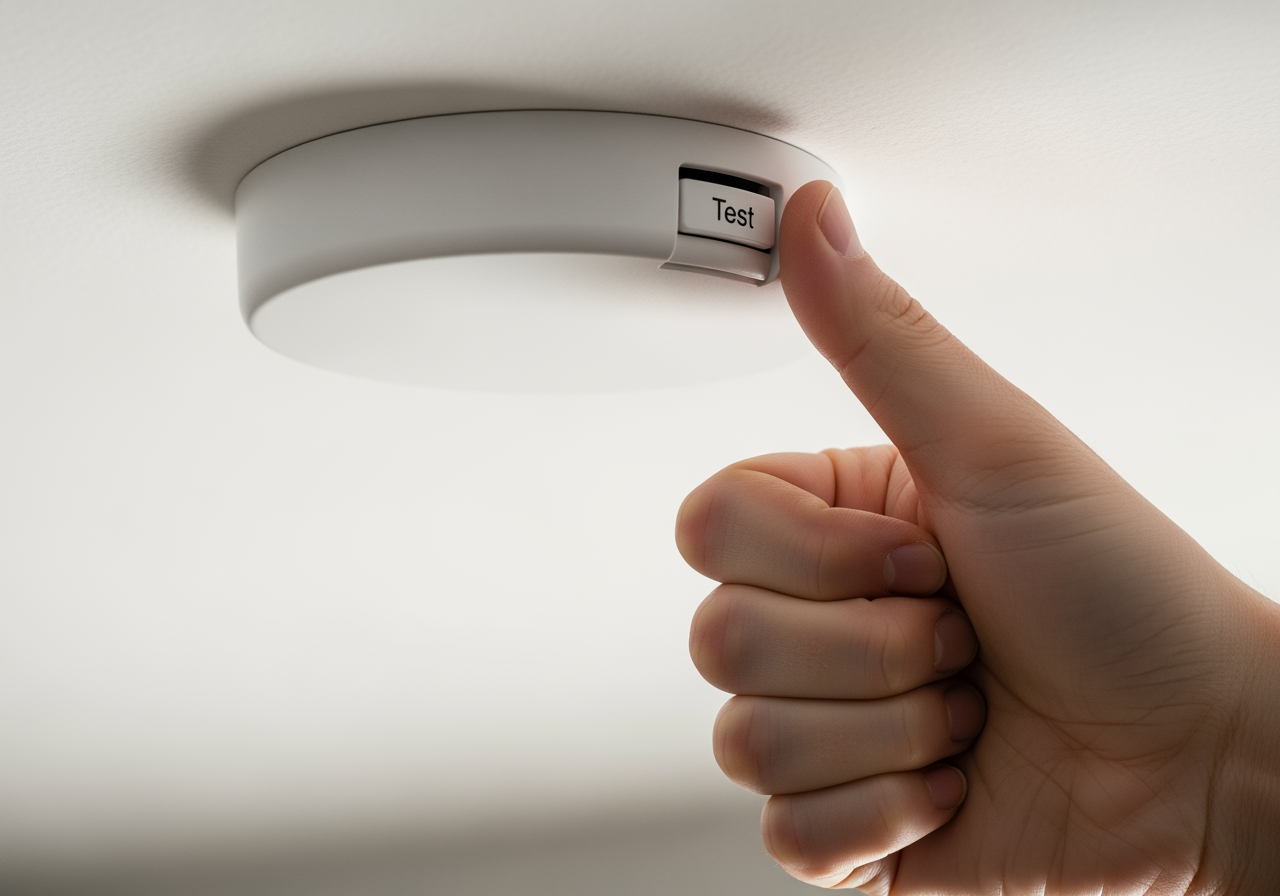
Testing your home’s smoke detectors and carbon monoxide alarms is also paramount. These life-saving devices need to be in perfect working order. We advise checking them immediately upon moving in and regularly thereafter. Familiarize yourself with their locations and the sound of their alarms. Equally important is knowing the location of your main shut-off valves for water and gas. In an emergency, quickly cutting off these utilities can prevent significant damage or danger.
Essential Safety Checks and Professional Inspections
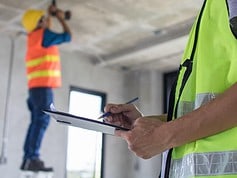
Beyond the immediate security measures, a thorough safety audit of your new home is crucial. If you have children or pets, child-proofing and pet-proofing services can help identify and mitigate potential hazards, from securing cabinets to installing safety gates. An electrical safety check by a qualified professional can identify outdated wiring, overloaded circuits, or other potential fire risks. Don’t overlook the integrity of your windows; inspect all window locks to ensure they function correctly and provide adequate security. Finally, create and practice an evacuation plan with everyone in the household, identifying multiple escape routes and a designated meeting point outside.
Here’s a list of essential safety items every new homeowner should consider:
- Fire Extinguishers: Place one on each floor, especially in the kitchen and garage.
- First-Aid Kit: Stock a comprehensive kit and know its contents.
- Flashlights: Keep several readily accessible in case of power outages.
- Emergency Contact List: Post a visible list of emergency numbers (fire, police, poison control, trusted neighbors).
- Battery-Powered Radio: For receiving emergency broadcasts during power outages.
- Water Leak Detectors: Place near water heaters, washing machines, and under sinks to alert you to leaks early.
- Carbon Monoxide Detectors: Essential, especially if you have gas appliances or an attached garage.
- Smoke Detectors: Ensure they are installed on every level and in all sleeping areas.
Plumbing and Gas System Integrity
The plumbing and gas systems are the lifelines of your home, and ensuring their integrity is a critical new homeowner service. As mentioned, locating your main water shut-off valve is a must. This valve, typically found where the main water line enters your home (often in the basement, crawl space, or near the water meter), can prevent extensive water damage in the event of a burst pipe or major leak. Similarly, identify the main gas shut-off valve, usually located near your gas meter. Knowing how to turn off the gas is vital if you smell gas or suspect a leak.
We also recommend a professional inspection of your water heater. This includes checking for leaks, sediment buildup, and proper temperature settings. For homes with sump pumps, testing its functionality is important, especially before heavy rain seasons, to prevent basement flooding. Any gas appliances, such as stoves, furnaces, or water heaters, should have their connections professionally checked to ensure they are secure and free from leaks. For comprehensive plumbing checks and to address any concerns with your home’s water and gas systems, consulting with Experienced Austin plumbers is always a wise decision. They can provide thorough inspections and necessary maintenance, safeguarding your home from potential issues.
Essential Home Systems: Key New Homeowner Services
Beyond immediate safety, the functionality of your home’s core systems directly impacts your comfort and daily living. Regular maintenance and professional checks of these systems are vital new homeowner services. Your HVAC (heating, ventilation, and air conditioning) system is paramount for indoor climate control. We advise scheduling a professional HVAC service shortly after moving in. This ensures the system is running efficiently, identifies any potential issues, and can significantly extend its lifespan. A crucial,, task is air filter replacement. Dirty filters can reduce efficiency, increase energy bills, and negatively impact indoor air quality.

Consider professional duct cleaning, especially if the previous owners had pets or if anyone in your household has allergies. This can remove accumulated dust, allergens, and debris from your ventilation system. An electrical system review by a licensed electrician can identify any outdated components, ensure proper grounding, and prevent potential hazards. They can also help with circuit breaker panel labeling, making it easier to identify which breaker controls which part of your home. Don’t forget exterior maintenance; gutter cleaning services are essential to prevent water damage to your roof, foundation, and landscaping. Finally, a professional roof inspection can identify any missing shingles, leaks, or other damage that could lead to costly repairs down the line.
Setting Up Utilities and Connectivity
One of the most immediate and essential new homeowner services is setting up your utilities. This typically involves transferring or initiating service for electricity, water and sewer, and natural gas. Contact your local utility providers well in advance of your move-in date to ensure seamless service. Inquire about any deposits, connection fees, or required inspections. Don’t forget waste and recycling services; understand the pickup schedules and any specific requirements for trash separation.
In today’s connected world, scheduling internet installation is another top priority. Research providers in your new area and book an appointment for installation as soon as possible. Many new homes also benefit from smart home device setup, including smart thermostats, lighting systems, and doorbells. These devices can improve convenience, security, and energy efficiency, but often require professional installation or configuration to function optimally.
Appliance and Maintenance new homeowner services
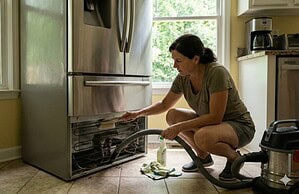
Upon moving in, take the time to conduct a thorough major appliance function check. Test your refrigerator, oven, dishwasher, washing machine, and dryer to ensure they are all in proper working order. If you encounter any issues, addressing them promptly can save you from future headaches. For any necessary repairs or maintenance, seeking out Appliance services for new homeowners can be invaluable. They can diagnose problems and extend the life of your appliances, ensuring your new home runs smoothly.
Creating a home maintenance calendar is a proactive new homeowner service that can prevent small issues from becoming major problems. This calendar should outline seasonal tasks like HVAC checks, gutter cleaning, and landscaping needs. Pest control services are also a smart investment, especially if you’re moving into an older home or an area prone to specific pests. A professional can assess your home for vulnerabilities and implement preventative measures. Finally, don’t underestimate the importance of landscaping and lawn care. Maintaining your yard not only improves curb appeal but also prevents issues like drainage problems and foundation damage.
Administrative and Financial Setup for Your New Home
Beyond the physical aspects of your new home, there are crucial administrative and financial new homeowner services that demand your attention. Updating your address is a multi-faceted task. Start by notifying the USPS for mail forwarding to ensure you don’t miss any important correspondence. You’ll also need to update your address with the DMV for your driver’s license and vehicle registration, as well as with various financial institutions, including banks, credit card companies, and investment firms.
Reviewing your homeowners insurance policy is another critical step. Ensure your coverage accurately reflects your new property’s value and any specific risks in your area. Understanding property taxes is also essential; research your local tax rates and learn about any available homestead exemptions that could reduce your tax burden.
Budgeting for Homeownership Beyond the Mortgage
One of the most significant new homeowner services is establishing a robust financial plan. Your mortgage payment is just one piece of the puzzle. Creating a comprehensive home budget that accounts for all associated costs is vital. This includes establishing an emergency fund specifically for home repairs and unexpected expenses. We recommend aiming for at least three to six months of living expenses, with a portion dedicated to home-specific emergencies.
If your new home is part of a planned community, factoring in HOA (Homeowners Association) fees is necessary. These recurring costs cover shared amenities and community maintenance. Equally important is estimating utility costs, which can vary significantly based on your home’s size, age, and energy efficiency. Finally, proactively planning for maintenance expenses, both routine and unexpected, will prevent financial surprises down the road.
Organizing Important Homeownership Documents
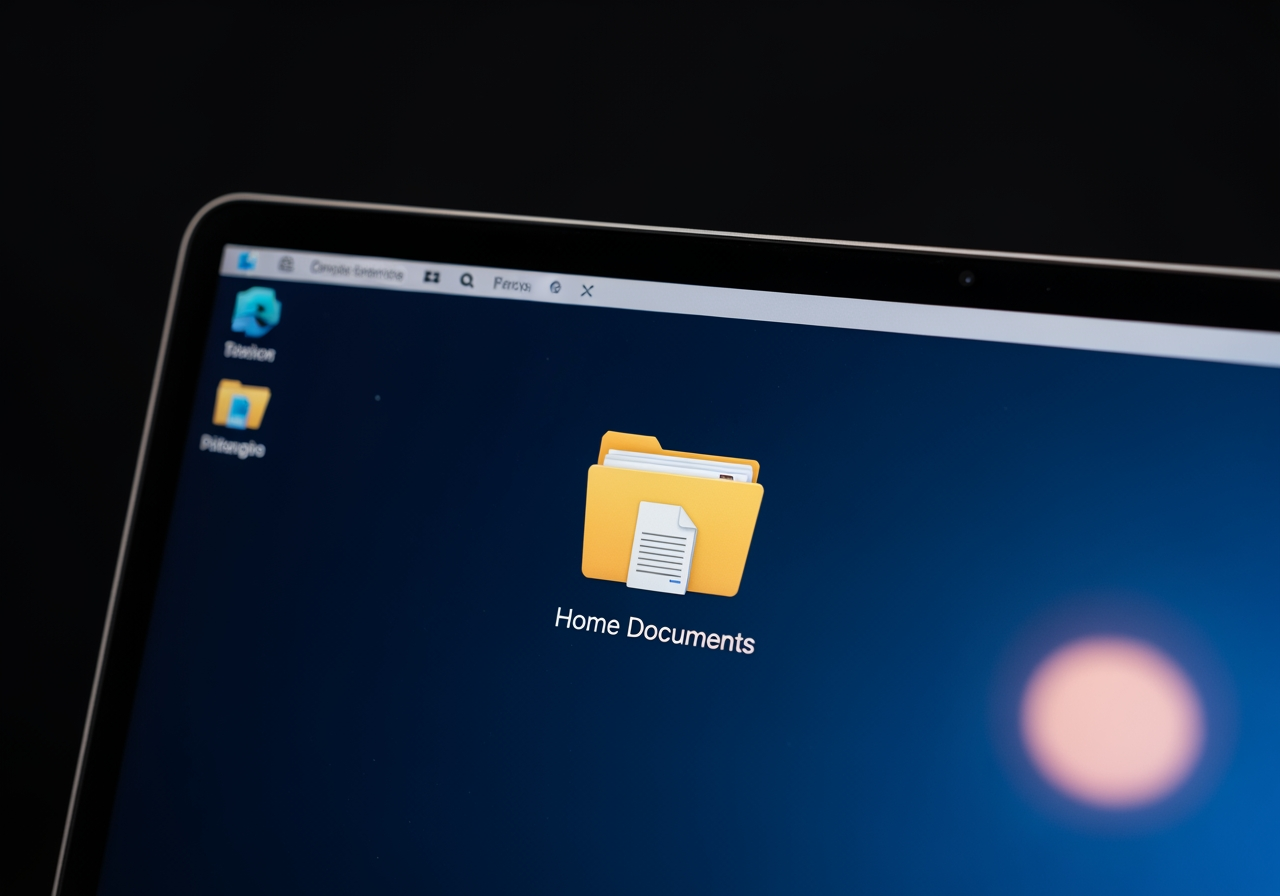
Effective organization of your homeownership documents is a new homeowner service that will save you time and stress in the long run. Create a dedicated “home file” – whether physical or digital – for all critical paperwork. This should include your closing documents, such as the deed, title, and mortgage paperwork. Keep all inspection reports (home, pest, radon, etc.) readily accessible, as they provide valuable insights into your home’s condition at the time of purchase.
Gather and organize all appliance warranties and manuals. This makes troubleshooting easier and ensures you can access repair services if needed. Lastly, maintain thorough service records and receipts for any repairs, maintenance, or improvements made to your home. These records are invaluable for future reference, warranty claims, and can even be beneficial when it comes time to sell your home.
Frequently Asked Questions about New Homeowner Services
What is the very first service I should book for my new house?
The very first service we recommend booking for your new house is to change or rekey all exterior locks with a professional locksmith. This ensures no previous occupants or their contacts have access, providing a critical first step for security and peace of mind.
How can I prepare for unexpected home repairs?
To prepare for unexpected home repairs, establish an emergency fund, aiming for 1-3% of the home’s value annually. Keep a list of trusted service providers for plumbing, electrical, and HVAC emergencies. Additionally, understand your home warranty coverage, if applicable, and review your homeowners insurance policy to know what types of damage are covered.
What are some essential new homeowner services for energy efficiency?
For energy efficiency, essential new homeowner services include scheduling an energy audit to identify areas of heat loss or gain, having your HVAC system serviced to ensure optimal performance, sealing air leaks around windows and doors, and considering upgrading to a smart thermostat to optimize heating and cooling schedules. These steps can lead to significant long-term savings on utility bills.
Conclusion: Settling Into Your New Home with Confidence
Becoming a new homeowner is an exciting milestone, but it comes with a unique set of responsibilities. By prioritizing essential new homeowner services, you can transform the daunting task of moving into a smooth and confident transition. From securing your property and ensuring the integrity of your plumbing and gas systems to servicing your home’s essential HVAC and electrical components, each step contributes to your comfort and safety.
Systemizing administrative tasks like address changes and document organization, alongside smart financial planning, will lay a strong foundation for long-term homeownership success. Proactive maintenance and seeking professional help when needed are not just expenses, but investments in your home’s value and your peace of mind. Accept this new chapter with the confidence that comes from being prepared and well-informed.