Key Takeaways
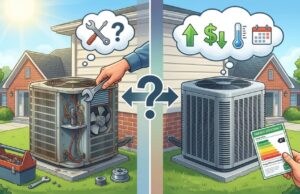
- Spot common signs your AC unit is due for replacement, like frequent repairs and rising utility bills.
- Upgrading to a modern system improves efficiency, comfort, and environmental sustainability.
- The best time to replace your AC is before peak summer or during the off-season for better deals and scheduling.
Table of Contents
- Introduction
- Signs It’s Time to Replace Your AC
- Benefits of Upgrading to Modern AC Systems
- Optimal Timing for AC Replacement
- Choosing the Right AC System for Your Home
- Conclusion
Keeping your home comfortably cool during Ontario’s peak summer months depends on a reliable and efficient air conditioning system. Sometimes maintenance isn’t enough, and knowing when to replace your AC unit can make a significant difference in cost, comfort, and peace of mind. If you are considering an upgrade, partnering with efficient AC installation services in Ontario ensures a smooth and expert transition to a modern cooling solution.
Replacing an outdated air conditioner proactively avoids emergency repairs and high energy costs. Recognizing signs of aging ACs and understanding the benefits of modern, high-efficiency models enables homeowners to make informed decisions that enhance comfort and reduce expenses. Current systems are designed with energy-saving features and eco-friendly refrigerants, providing customizable options to fit individual needs. Timely replacement can also maximize rebates and ensure professional guidance, particularly before the busy summer season.
Signs It’s Time to Replace Your AC
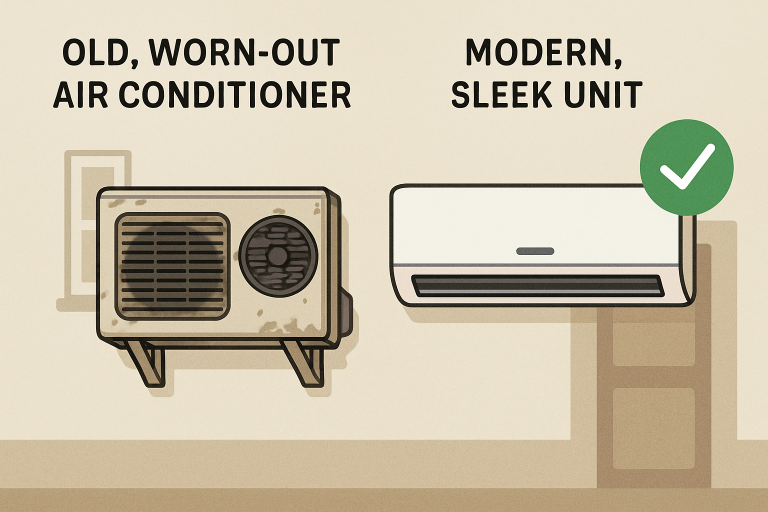
Identifying when your air conditioner is on its last legs can save you from discomfort and the risk of major system failures. Here are the top indicators that it may be time for a replacement:
- Age of the Unit: Most air conditioners are designed to last 10 to 15 years. As units grow older, their efficiency declines, even with regular maintenance.
- Frequent Repairs: If your AC requires constant servicing or replacement parts, investing in a new system may be more cost-effective and reliable over the long term.
- Rising Energy Bills: Higher energy bills without corresponding increases in usage often point to a system that is struggling to keep up, using more power than necessary.
- Uneven Cooling: If some rooms stay cool while others remain hot, your system may struggle to evenly circulate air throughout your living space.
- Use of Outdated Refrigerant: Many older units rely on R-22 refrigerant, which is being phased out due to its environmental impact and can be both costly and difficult to replenish.
Benefits of Upgrading to Modern AC Systems
Making the switch to a new air conditioning unit presents several tangible benefits:
- Enhanced Energy Efficiency: Modern units with higher SEER (Seasonal Energy Efficiency Ratio) ratings operate far more efficiently, using less energy for the same or better cooling performance.
- Improved Comfort: Today’s systems often include variable-speed compressors and smart thermostats, which provide precise temperature and humidity control for consistent comfort.
- Environmental Impact: Newer air conditioners use eco-friendly refrigerants and operate more efficiently, reducing your carbon footprint and helping the environment.
- Increased Home Value: An updated HVAC system is attractive to buyers, potentially boosting your property’s market value.
Optimal Timing for AC Replacement
The timing of your AC replacement can significantly impact both your expenses and convenience. Consider these optimal timeframes:
- Off-Season Installation: Spring and fall are often quieter times for HVAC companies. Scheduling your installation during these months can result in more flexible appointments and potential savings.
- Before Peak Summer: Install a new AC before temperatures soar, so you are ready for heatwaves. You will avoid urgent and potentially more expensive emergency replacements.
- Availability of Rebates and Incentives: Utility companies and manufacturers sometimes offer special deals, rebates, or incentives to replace older systems at specific times of year. Taking advantage of these can make your upgrade more affordable.
Choosing the Right AC System for Your Home
Every home is unique, and choosing the right air conditioning system depends on several important factors:
- Size and Capacity: An HVAC professional can perform a detailed load calculation to ensure you select a system that matches your home’s needs. An undersized or oversized unit can lead to inefficiency and uneven cooling.
- Energy Efficiency: Seek out units with high SEER ratings and ENERGY STAR® certification for maximum long-term savings.
- Features: Consider modern options such as programmable or smart thermostats, advanced filtration for better indoor air quality, and variable-speed fans for enhanced comfort and efficiency.
- Budget: Balance your initial investment with projected long-term savings. Higher-efficiency units may have a higher upfront cost, but they often pay for themselves through lower energy costs.
Conclusion
Replacing your aging or inefficient air conditioner is an investment in your home’s year-round comfort, value, and efficiency. By recognizing when it is time to upgrade and understanding the benefits of modern systems, you can make well-informed decisions that serve your family and the environment. Working with trusted experts and timing your purchase wisely allows you to get the most out of your new system, ensuring a cool, comfortable home when you need it most.