The Rise of the Backyard Oasis: More Than Just a Yard
Our backyards are more than just green spaces. They are extensions of our homes, offering places to relax, entertain, and connect with nature. A well-designed backyard can significantly improve our daily lives. It also adds significant value to our property.
Many homeowners dream of turning their outdoor areas into true backyard oases. This means more functionality, beauty, and enjoyment. We understand the desire to create a perfect outdoor living space.
We will explore three high-impact backyard renovation projects. These projects can transform your property. They will help you achieve the outdoor retreat you’ve always dreamed of. We will cover ideas for decks and patios, water features, and thoughtful landscaping. Get ready to open up your backyard’s full potential.

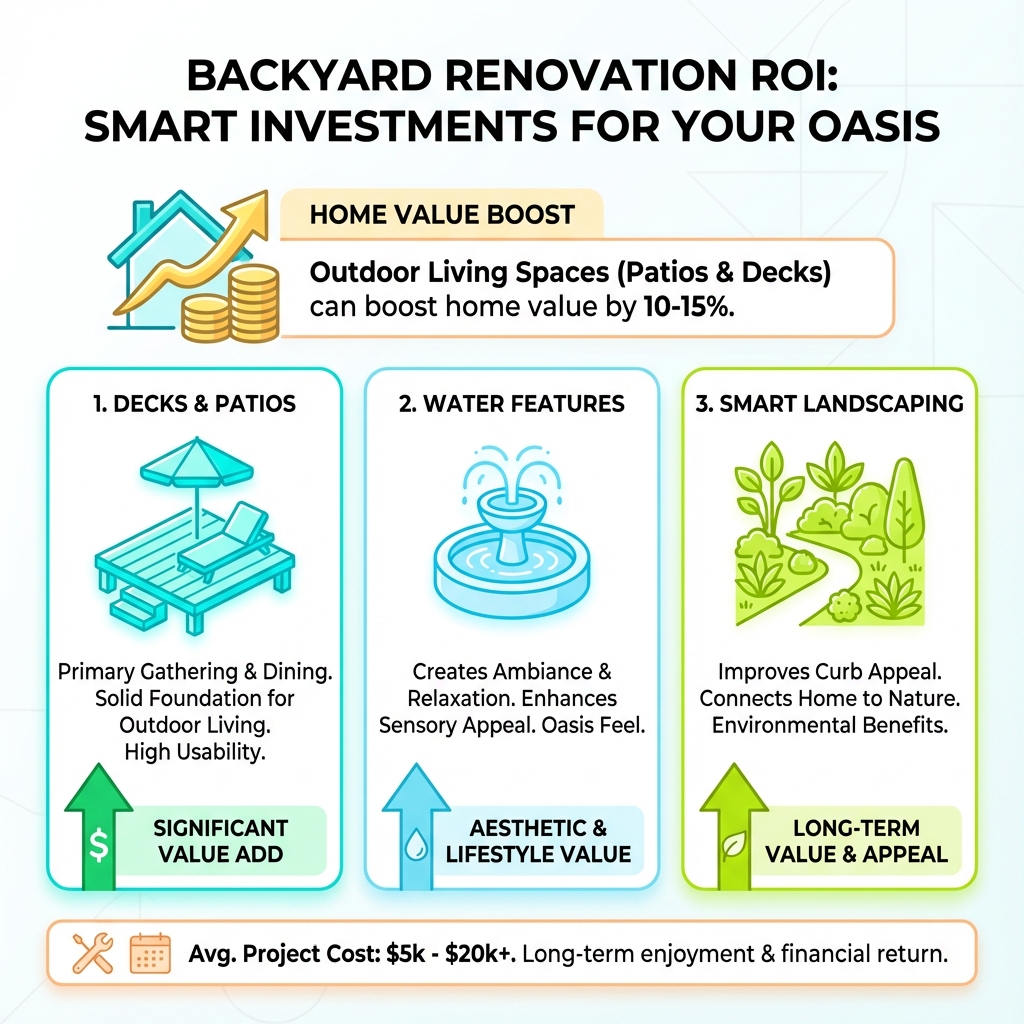
The concept of the “backyard oasis” has gained significant traction, especially in recent years. We’ve seen a growing appreciation for outdoor living spaces as homeowners seek to maximize every square foot of their property. This trend is not just about aesthetics; it’s about creating functional and inviting environments that enhance our quality of life and provide a valuable return on investment. Statistics show that outdoor living spaces, such as patios and decks, can add 10-15% to the value of a home. This makes backyard renovations not just a personal indulgence but a wise financial decision.
When we consider renovating our backyards, we’re essentially investing in an extension of our indoor living areas. This means thinking about comfort, utility, and ambiance. We want spaces where we can host gatherings, enjoy quiet mornings with a cup of coffee, or unwind after a long day. The goal is to create an environment that feels like a natural continuation of our home, blurring the lines between indoor and outdoor living.
The average cost of a backyard renovation project can range from $5,000 to $20,000, with some high-end projects exceeding $50,000. However, the impact on lifestyle and home value often justifies this investment. Approximately 80% of homeowners surveyed plan or are considering outdoor living space upgrades within the next two years, highlighting the widespread desire to enhance these valuable areas.
1. Build a Foundation for Living: The Deck or Patio
Creating a solid foundation for outdoor living often begins with a well-designed deck or patio. These structures serve as the primary gathering points, offering versatile spaces for dining, lounging, and entertaining. The choice between a deck and a patio often depends on factors like topography, desired aesthetic, and budget.
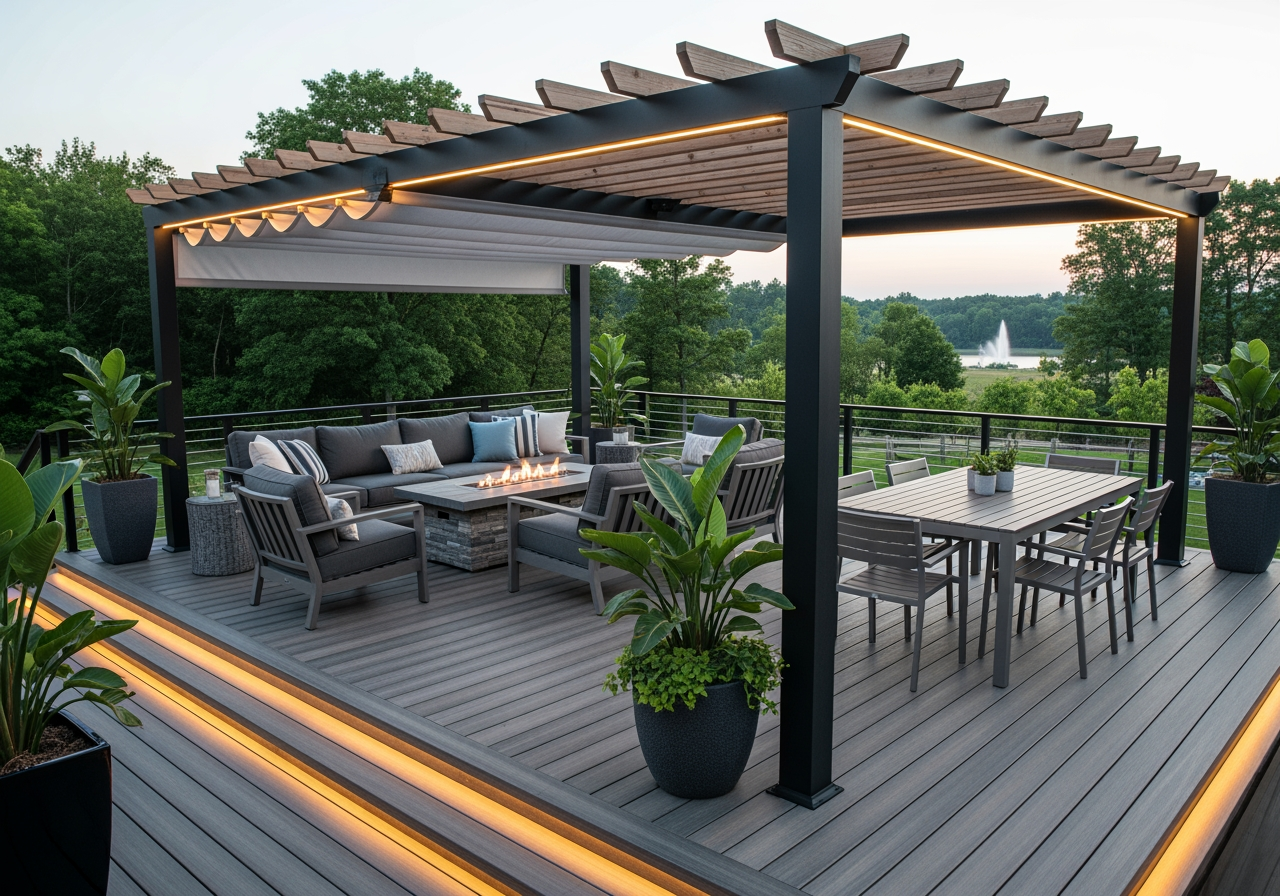
Decks, typically raised platforms made of wood or composite materials, are excellent for properties with uneven terrain or for creating a seamless transition from a lifted indoor space. They can be relatively inexpensive to install and can increase a home’s value by thousands of dollars if built to code. Years ago, most decks were made from pressure-treated lumber. Today, homeowners often opt to build their decks from composite wood decking, made from resins and wood pulp. Composite options are sturdier, longer-lasting, and require less maintenance, as they don’t need refinishing or painting. Adding electric lighting to decks can extend their usability into the evening, changing them into enchanting nighttime retreats.
Patios, on the other hand, are ground-level structures, often made from pavers, concrete, stone, or brick. They offer a sense of permanence and integrate beautifully with the natural landscape. Patios are ideal for creating intimate seating areas, outdoor dining rooms, or even an extension of an indoor kitchen. Both decks and patios provide a designated area for outdoor furniture, grills, and other amenities, effectively expanding our usable living space.
Designing High-Impact Backyard Renovation Projects
When designing a deck or patio, we consider several key elements to ensure it’s both functional and aesthetically pleasing.
Zoning: Just as indoor spaces benefit from thoughtful zoning, outdoor areas also benefit from it. We can define distinct “outdoor rooms” for dining, lounging, or cooking. This may involve using different flooring materials, adjusting the elevation, or strategically placing furniture and planters. For example, a dining area might be conveniently located adjacent to the house for easy access to the kitchen. In contrast, a more secluded lounge area could be situated further into the yard.
Seating Areas: Comfortable and ample seating is paramount. We can integrate built-in benches, which save space and offer a cohesive look, or opt for versatile outdoor furniture sets that can be rearranged as needed. Cushions and outdoor rugs add comfort and a touch of indoor luxury to these spaces.
Dining Spaces: An outdoor dining area allows us to enjoy meals al fresco. This requires enough space for a dining table and chairs, ideally with some shade provided by a pergola, umbrella, or natural tree canopy.
Material Selection: The materials we choose significantly impact the look, feel, and maintenance requirements of our deck or patio.
- Wood (for decks): Options like pressure-treated pine, cedar, or redwood offer a classic look. They require regular sealing or staining to maintain their appearance and prevent rot.
- Composite (for decks): Made from recycled plastics and wood fibers, composite decking is highly durable, low-maintenance, and resistant to fading, staining, and mold.
- Pavers (for patios): Concrete, brick, or natural stone pavers come in a wide array of colors, shapes, and textures, allowing for customized patterns and designs. They are durable and relatively easy to repair if individual pavers are damaged.
- Poured Concrete (for patios): A cost-effective option that can be stamped, stained, or textured to mimic more expensive materials.
When planning new structures, such as decks or pergolas, it’s crucial to consider their impact on existing home features, including rooftop solar panels. We need to ensure that these new additions do not cast excessive shade on the panels, which could reduce their efficiency. Additionally, planning for future maintenance is vital. Ensuring continued access to the roof for cleaning and repairs is essential, allowing you to properly extend solar system lifespan through regular maintenance. This foresight prevents costly issues down the line and ensures all home systems work in harmony.
Budget-Friendly and DIY Deck and Patio Ideas
Renovating a deck or patio doesn’t always require a massive budget. Many impactful changes can be achieved through DIY efforts and clever, cost-effective solutions.
- DIY Fire Pit: A simple, yet effective way to add warmth and ambiance is to build a DIY fire pit. Whether it’s a ring of paver stones or a more elaborate stone-clad structure, a fire pit creates a natural gathering spot. We can find kits or follow online tutorials to construct one safely.
- Stenciled Concrete Patio: If we have an existing concrete patio that looks dull, a stenciled design can completely revitalize it. Using exterior concrete paint and a stencil, we can create a look that mimics expensive tiles or intricate patterns for a fraction of the cost. This involves cleaning, priming, stenciling, and sealing the concrete.
- String Lights: Overhead string lights instantly transform any outdoor space into a magical, inviting area, especially at night. They are inexpensive, easy to install, and create a cozy atmosphere.
- Built-in Seating: Instead of buying expensive outdoor sofas, we can construct built-in benches using materials like cinder blocks, lumber, or even repurposed pallets. These can then be softened with custom cushions.
- Container Gardening: Adding vibrant container gardens to our deck or patio introduces color, texture, and life without the commitment of in-ground planting. We can easily move and rearrange them to refresh the look.
- Power Washing and Refinishing: Sometimes, the most budget-friendly renovation is simply a thorough cleaning and refresh. Power washing a deck or patio removes years of grime, and a fresh coat of stain or sealant can make an old deck look new again.
List of Essential Tools for a DIY Patio Project:
- Shovel and pickaxe (for excavation)
- Wheelbarrow (for moving materials)
- Measuring tape and string line (for layout)
- Level (long and short)
- Rubber mallet (for setting pavers)
- Plate compactor (can be rented, for base compaction)
- Utility knife (for cutting landscape fabric)
- Safety glasses and gloves
DIY projects can save homeowners an average of 10-30% on renovation costs compared to hiring professionals, making these options particularly attractive for those looking to maximize their budget.
2. Add a Splash of Luxury: Water Features and Pools
Few additions bring a sense of luxury and tranquility to a backyard quite like a water feature or a pool. From the soothing sound of a fountain to the refreshing aspect of a swimming pool, water elements transform a backyard into a true oasis for relaxation and entertainment.
In-ground pools represent the pinnacle of backyard luxury, offering a dedicated space for swimming, exercise, and large-scale entertainment. While a significant investment, they offer immense recreational value and can be customized with features such as waterfalls, lighting, and integrated spas.
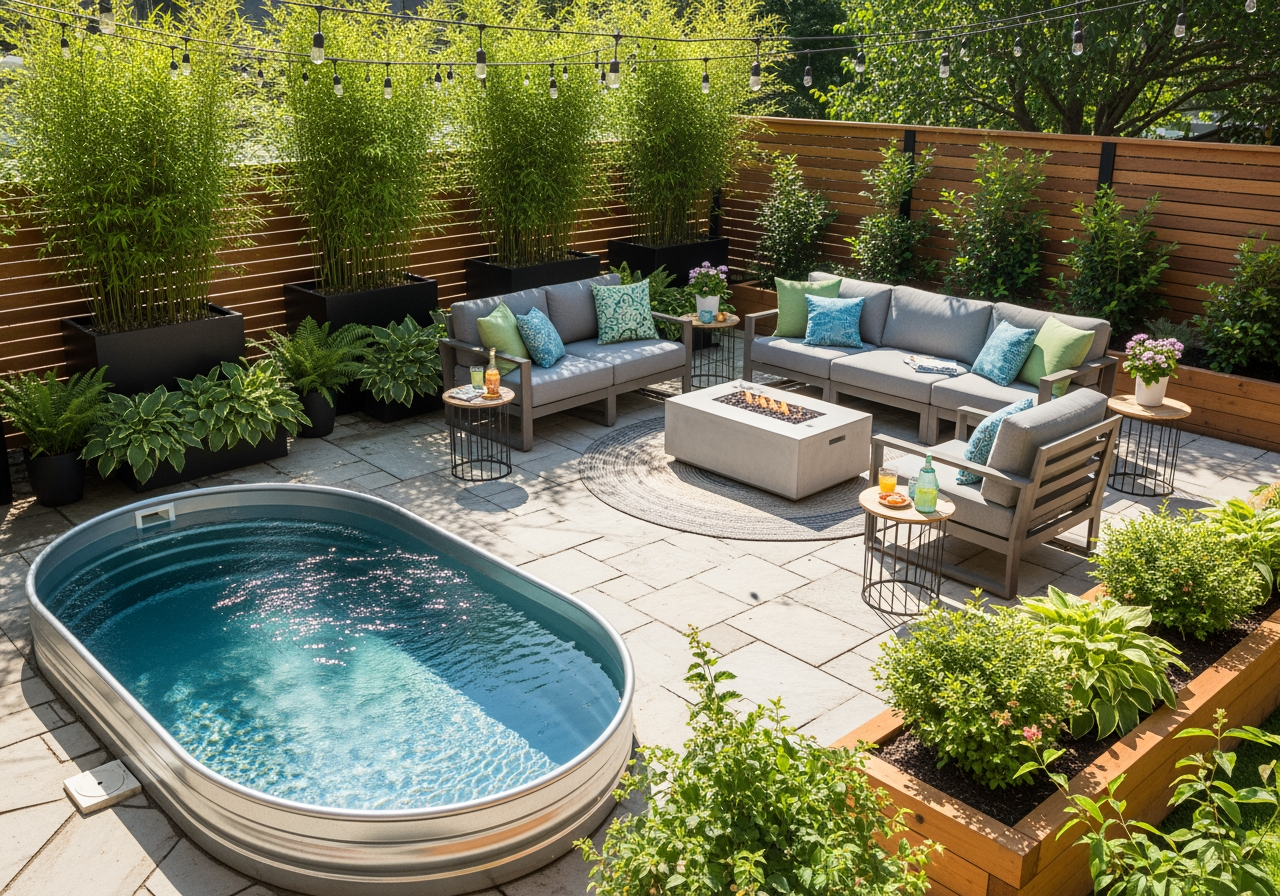
For those with smaller yards or a more modest budget, plunge pools and stock tank pools have emerged as popular alternatives. Plunge pools are smaller, deeper pools designed for cooling off and relaxation rather than extensive swimming. Stock tank pools, often repurposed galvanized steel tanks, offer a charming, budget-friendly, and usually DIY-friendly option for a quick dip. They’ve become a trendy way to add a unique water element without the cost and space requirements of a traditional pool.
Spas and hot tubs, whether integrated into a pool design or stand-alone, provide therapeutic warmth and relaxation, extending the usability of our outdoor space into cooler months. Beyond swimming, simpler water features like fountains, ponds, and water gardens add visual interest, create calming sounds, and attract local wildlife, enhancing the natural appeal of the backyard.
Creating Your Oasis with Water
Adding a water element is one of the most transformative backyard paradise renovation projects. When planning for pools or larger water features, we consider several critical aspects:
Landscaping Around Pools: The area surrounding a pool is just as important as the pool itself. We often design lush, low-maintenance landscaping that complements the pool’s design. This might include drought-tolerant plants, the strategic use of hardscaping for sunbathing areas, and shade structures such as pergolas or umbrellas. The goal is to create a cohesive and inviting environment that improves the swimming experience.
Safety Fencing: For pools, safety is paramount. We always ensure that appropriate fencing, gates, and alarms are installed to comply with local regulations and prevent accidents, especially in homes with children or pets. These safety measures can be integrated aesthetically into the overall design.
Pool Lighting: Thoughtful lighting transforms a pool area after dark. Underwater lights create a captivating glow, while perimeter lighting improves safety and ambiance. We can use LED lights that change color to create different moods for entertaining or relaxation.
Integration with Existing Design: Whether we’re installing a new pool or adding a fountain, we strive to integrate the water feature seamlessly with the home’s architectural style and the existing backyard design. This ensures a harmonious look and feel, making the new addition feel like an organic part of the property.
Small-Scale Water Features for Any Budget
Even without the space or budget for a full-sized pool, we can still incorporate the beauty and tranquility of water into our backyards with smaller, more affordable features.
- DIY Ponds: A small, pre-formed pond liner or a dug-out, lined pond can host aquatic plants and even a few fish, creating a miniature ecosystem. We can surround it with rocks and marginal plants for a natural look.
- Fountains: Freestanding fountains, wall-mounted fountains, or even simple bubbling rock features provide the soothing sound of moving water. They come in various styles and materials to suit any aesthetic and can be purchased ready-made or assembled from kits.
- Water Bowls: A large, decorative bowl filled with water, perhaps with a small pump for a bubbling effect, can serve as a minimalist and neat water feature on a patio or deck. We can add floating candles or small aquatic plants for an extra touch of charm.
- Rain Chains: As an alternative to traditional downspouts, rain chains guide rainwater from the roof to a basin below, creating a beautiful visual and auditory effect during rain.
- Water Gardens: These are essentially container gardens that feature aquatic plants. A watertight pot filled with water and plants like water lilies or papyrus can add a unique touch to any sunny spot.
These smaller water features are excellent for creating focal points, adding sensory appeal, and attracting birds and butterflies, all without the extensive commitment of a full pool.
3. Define Your Space: Strategic Hardscaping and Landscaping
Beyond decks and water features, the thoughtful application of hardscaping and landscaping elements is crucial for defining spaces, enhancing functionality, and creating visual appeal in our backyards. Hardscaping refers to the non-living elements, like patios, walkways, retaining walls, and fire pits, while landscaping encompasses the living elements, such as plants, trees, and garden beds. Together, they form the backbone of a well-designed outdoor environment.
Fire pits, as mentioned earlier, are powerful hardscaping elements that serve as social hubs. They provide warmth, light, and a focal point for evening gatherings. We can choose from portable models, pre-fabricated kits, or custom-built stone structures, depending on our budget and desired aesthetic.
Walkways and paths are essential for guiding movement through the yard, connecting different areas, and adding architectural interest. Materials such as pavers, gravel, stepping stones, or mulch can create inviting pathways that enhance the overall design.
Retaining walls are functional hardscaping elements used to manage slopes, prevent erosion, and create level terraces for planting or seating. They can also be decorative, adding texture and definition to the landscape.
Garden beds, whether in-ground or raised, are fundamental landscaping features. They allow us to cultivate flowers, herbs, vegetables, and shrubs, bringing color, fragrance, and life to the backyard. Raised beds, in particular, offer ergonomic benefits, better soil control, and a neat, structured appearance.
Drought-tolerant plants are a growing trend, especially in regions with water conservation concerns. Incorporating native species and plants that require minimal irrigation reduces maintenance and promotes ecological balance.
Executing Your Landscaping and Hardscaping Backyard Renovation Projects
Successful hardscaping and landscaping projects require careful planning and execution, beginning with the preparation of the site. Before laying pavers or building garden beds, the first step is often clearing the area. For larger, overgrown properties, professional Midwest backyard vegetation management can create a clean slate for your project. This usually involves removing unwanted brush, small trees, and debris to ensure a smooth and effective renovation process. A clear site allows for accurate measurements, proper grading, and efficient installation of new features.
Paver Stones: When installing paver stones for patios or walkways, a crucial step is proper base preparation. This involves excavating the area, laying down a layer of compacted gravel, and then adding a layer of sand. This ensures adequate drainage and a stable, level surface that will withstand traffic and weather over time. We can choose from a vast array of paver styles, colors, and patterns to match our home’s exterior and personal taste.
Gravel Paths: Gravel paths offer a permeable, rustic, and often more budget-friendly alternative to pavers. They are excellent for informal garden paths or for creating a natural aesthetic. We ensure proper edging is installed to contain the gravel and prevent it from spreading into planting beds.
Raised Beds: Building raised garden beds involves selecting durable materials, such as cedar, composite lumber, or stone. We pay attention to the height of the beds for ergonomic gardening and fill them with a high-quality soil mix custom to the plants we intend to grow. Raised beds are particularly beneficial for growing vegetables and herbs, as they offer better drainage and warmer soil temperatures earlier in the season.
Outdoor Kitchens: For the ultimate entertaining space, an outdoor kitchen is a high-impact hardscaping project. This can range from a simple grill station with a countertop to a fully equipped kitchen with a sink, refrigerator, and pizza oven. We plan for utilities such as gas lines, water, and electricity, and select weather-resistant materials for cabinets and countertops. An outdoor kitchen transforms the backyard into a self-sufficient culinary hub, perfect for hosting friends and family.
Frequently Asked Questions about Backyard Renovations
We often receive questions from homeowners who are starting their backyard renovation journey. Here, we address some of the most common inquiries to help you steer the process with confidence.
How do I start planning a backyard renovation?
Starting a backyard renovation can feel overwhelming, but a structured approach makes it manageable.
- Define Purpose: First, we ask ourselves, ‘What do we want to use the space for?’ Is it for family gatherings, quiet relaxation, gardening, or entertaining? This clarity will guide all subsequent decisions.
- Set a Budget: We establish a realistic budget early on, taking into account both the costs of materials and labor. 70-80% of a project’s price will be labor. It’s also wise to allocate a 10-20% contingency fund for unexpected expenses.
- Create a Wishlist: We brainstorm all desired features, from a new patio to a fire pit or a vegetable garden.
- Research Professionals: For larger projects, we recommend researching landscape architects, designers, or contractors to ensure the best results. Look for professionals with a strong portfolio, good references, and appropriate licensing and insurance.
- Prioritize Must-Haves: We then differentiate between “must-have” features and “nice-to-haves” to align our vision with our budget. This helps us make compromises if necessary and focus on the most impactful elements first.
Gathering inspiration from sources like Pinterest and home design magazines can also help refine our vision and communicate our ideas effectively to professionals.
What are the most common mistakes to avoid?
Avoiding common pitfalls can save significant time, money, and frustration during a backyard renovation.
- Poor Planning: Rushing into a project without a comprehensive plan is a recipe for disaster. We emphasize the importance of creating detailed sketches, selecting appropriate materials, and understanding the project scope before commencing work.
- Ignoring Building Codes and Permits: Many outdoor structures (decks, pergolas, fences, pools) require permits and must adhere to local building codes. Failing to obtain these can lead to fines, demolition orders, and resale complications. We always advise checking with local authorities.
- Choosing the Wrong Materials: Selecting materials that aren’t suitable for our climate or intended use can lead to premature wear, high maintenance, or safety issues. For example, using non-weather-resistant wood in a wet environment will lead to rot.
- Underestimating Costs: Beyond materials and labor, we account for demolition, site preparation, delivery fees, and potential professional design fees. A contingency fund is crucial here.
- Skipping Permits: As mentioned, permits are not just bureaucratic problems; they ensure safety and compliance. We never skip this step.
- Not Considering Drainage: Poor drainage can lead to standing water, erosion, foundation damage, and unhealthy plants. We always plan for proper water runoff, potentially incorporating French drains or permeable surfaces to manage the flow effectively.
How can I make my small backyard look bigger?
Small backyards present unique design challenges, but with clever strategies, we can make them feel more expansive and functional.
- Vertical Gardens: Utilizing vertical space with wall-mounted planters or trellises draws the eye upward, making the area appear taller and providing more planting opportunities without occupying floor space.
- Angled Paths: Laying paths at an angle or in a curve rather than a straight line creates an illusion of depth and makes the journey through the yard feel longer.
- Simple Color Palette: Using a limited, cohesive color palette for hardscaping, furniture, and even plants creates a sense of unity, preventing the space from feeling cluttered or busy.
- Create Zones: Even in a small yard, we can define distinct zones for dining, lounging, or gardening. This gives the impression of multiple “rooms,” making the space feel more versatile and larger. The optimum number of zones for a small yard is usually two.
- Use Mirrors: Strategically placed outdoor mirrors can reflect light and greenery, creating an illusion of depth and doubling the visual space.
- Multi-functional Furniture: Opting for furniture that serves multiple purposes, like benches with built-in storage or ottomans that double as extra seating, maximizes utility in compact areas.
- Highlight External Views: If there’s an attractive view beyond our fence (e.g., a distant tree or a neighbor’s well-maintained garden), we frame it to extend our visual boundaries.
Conclusion: Reaping the Rewards of Your Renovation
Starting on backyard renovation projects is an investment that pays dividends in multiple ways. We’ve explored how high-impact projects, such as building decks or patios, incorporating water features, and strategically applying hardscaping and landscaping, can transform an ordinary outdoor space into an extraordinary extension of our homes.
The rewards are manifold:
- Increased Property Value: Well-executed outdoor living spaces can significantly boost our home’s market value, offering a strong return on investment.
- Improved Lifestyle: A renovated backyard provides a dedicated space for relaxation, entertainment, and personal enjoyment, enhancing our daily lives and offering a much-needed escape.
- Personal Sanctuary: We create a private retreat where you can de-stress, connect with nature, and find tranquility right outside your door.
- Entertainment Hub: Our backyards become the perfect venue for hosting friends and family, making memories in a beautiful and functional setting.
- Connection to Nature: Thoughtful landscaping and water features bring us closer to the natural world, fostering a sense of peace and well-being.
Whether we dream of a sprawling entertainment area, a serene garden retreat, or a refreshing poolside oasis, the potential for change is immense. By planning carefully, making informed choices, and perhaps tackling some DIY projects, we can unlock our backyard’s full potential and create the outdoor living space we’ve always envisioned.