
Modern homes rely heavily on appliances, yet many homeowners only think about maintenance when something stops working. In Atlanta, where hot summers, high humidity, and heavy daily usage place extra strain on household systems, appliances can wear out faster than expected.
Knowing why appliances fail, and how local conditions contribute to breakdowns, can help homeowners prevent costly repairs, extend appliance lifespan, and maintain a smoothly functioning household. Still, if you need appliance repair in Atlanta, then click the link!
Key Takeaways
- Atlanta’s heat and humidity increase wear on appliances.
- Poor airflow and dust buildup reduce efficiency and cause overheating.
- Hard water contributes to scale buildup and mechanical strain.
- Preventive maintenance can significantly extend appliance lifespan.
- Early warning signs help prevent expensive breakdowns.
How Atlanta’s Climate Affects Appliance Performance
Atlanta’s climate plays a major role in appliance longevity. During long, humid summers, refrigerators and air-conditioned indoor environments work harder to maintain cool temperatures. Increased compressor workload can accelerate wear on cooling systems.
Humidity also contributes to condensation buildup inside refrigerators, dishwashers, and laundry areas. Over time, excess moisture can affect seals, promote mold growth, and strain drainage systems.
In addition, warm indoor temperatures can cause appliances to run longer cycles, increasing energy consumption and mechanical stress.
Dust, Pollen, and Airflow Restrictions
Metro Atlanta is known for heavy pollen seasons and airborne dust. These particles accumulate on appliance vents, condenser coils, and filters.
When airflow becomes restricted-
- refrigerators struggle to release heat
- dryers overheat and lose efficiency
- HVAC-connected appliances operate under strain
Cleaning coils, vents, and filters regularly helps appliances operate efficiently and prevents overheating.
Hard Water and Mineral Buildup
Many areas in and around Atlanta experience moderately hard water. Mineral deposits can accumulate in dishwashers, washing machines, and ice makers.
Over time, mineral buildup can-
- clog spray arms and valves
- reduce water flow
- cause cloudy dishes and residue
- strain pumps and heating elements
Using rinse aids, descaling solutions, and periodic cleaning cycles can help minimize scale buildup.
High Usage in Busy Households
With growing families and busy lifestyles, many Atlanta households run appliances multiple times daily. Frequent use accelerates wear on motors, belts, heating elements, and seals.
Common high-usage strain includes-
- multiple laundry cycles per day
- frequent dishwasher runs after gatherings
- refrigerators opened repeatedly during busy routines
Reducing overload and spacing heavy-use cycles can extend appliance life.
Warning Signs an Appliance Is Under Stress
Appliances often show early signs of trouble before failing completely.
Watch for-
- unusual noises or vibrations
- longer cycle times
- rising energy bills
- inconsistent temperatures
- moisture buildup or leaks
- burning smells or overheating
Addressing issues early can prevent larger mechanical failures.
Simple Maintenance Habits That Prevent Breakdowns
Routine care is the most effective way to prevent appliance failure.
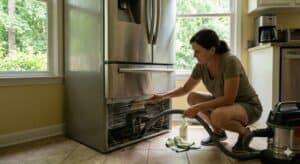
Clean refrigerator coils every 6–12 months.
Vacuum dryer vents and lint traps regularly.
Inspect hoses for cracks or leaks.
Keep dishwasher filters clean.
Avoid overloading washers and dryers.
Small maintenance tasks can significantly improve efficiency and lifespan.
Power Surges and Electrical Stress
Summer storms in Atlanta often bring lightning and power fluctuations. Sudden surges can damage electronic control boards and sensitive appliance components.
Using surge protectors or whole-home surge protection can help safeguard high-value appliances.
Repair vs Replacement- Knowing When to Decide
When appliances begin failing, homeowners often wonder whether repair or replacement is the better option.
Repair is often practical when-
- the appliance is under 8–10 years old
- the issue involves replaceable components
- performance has been reliable previously
Replacement may be more cost-effective when-
- energy efficiency has declined significantly
- repairs become frequent
- major components fail
Considering long-term energy savings and repair costs helps guide the best decision.
Preventing Emergency Breakdowns
Emergency failures often occur after long periods of unnoticed stress.
To reduce risk-
- schedule seasonal maintenance checks
- keep appliances clean and ventilated
- monitor unusual performance changes
- address small problems early
Preventive care protects both your appliances and your household routine.
Conclusion
Atlanta’s climate, air quality, and busy household routines create unique challenges for home appliances. Heat, humidity, dust, mineral buildup, and heavy usage all contribute to premature wear and unexpected failures.
By understanding these local factors and adopting simple maintenance habits, homeowners can extend appliance lifespan, reduce repair costs, and avoid inconvenient breakdowns. Paying attention to early warning signs and performing routine care ensures appliances remain reliable even under the demands of Atlanta living.
With proactive care and awareness, your household systems can continue running efficiently through every season.
FAQs
Why do appliances wear out faster in hot climates like Atlanta?
High temperatures and humidity force appliances to work harder to maintain normal operating conditions. Refrigerators must remove more heat to keep food cold, while dryers and HVAC-connected systems struggle with excess moisture in the air. This increased workload leads to longer run times, higher energy use, and faster wear on motors, compressors, and electronic components.
How does pollen and dust affect appliances?
Atlanta’s heavy pollen seasons and airborne dust can accumulate on vents, filters, and condenser coils. When airflow becomes restricted, appliances cannot release heat efficiently, which can cause overheating, reduced performance, and increased energy consumption. Regular cleaning of vents, coils, and filters helps maintain efficiency and prevents unnecessary strain.
Can hard water damage appliances?
Yes. Mineral deposits from hard water can build up inside dishwashers, washing machines, and ice makers over time. This buildup can clog valves, reduce water flow, create residue on dishes and clothing, and place extra strain on pumps and heating elements. Using rinse aids, descaling treatments, and periodic cleaning cycles can help minimize these effects.
How often should I perform appliance maintenance?
Basic maintenance such as cleaning filters, checking hoses, and removing lint or debris should be done every few months. Condenser coils and dryer vents should be cleaned at least once or twice a year. Annual inspections and deeper maintenance help identify early wear and keep appliances operating efficiently.
What is the most common cause of sudden appliance failure?
Sudden failures are often caused by overheating from restricted airflow, electrical surges during storms, worn components pushed beyond their limits, or small warning signs that were ignored. Addressing unusual noises, leaks, or performance changes early can prevent unexpected breakdowns.