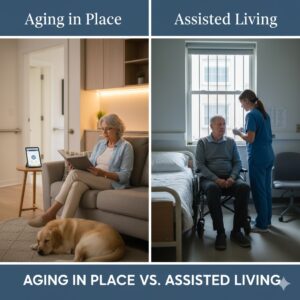
As families plan for the future of aging loved ones, one of the most difficult decisions they face is whether to support aging in place or transition to assisted living or a nursing facility. This choice is rarely made overnight. It often develops gradually as mobility changes, safety concerns increase, and daily tasks become harder to manage. Home improvements play a significant role in delaying or even preventing the need for outside care, but they also highlight when a home may no longer meet a senior’s needs. Understanding this balance helps families make informed, compassionate decisions and in some cases, recognize when legal guidance from a Columbia Nursing Home Abuse Lawyer may be necessary once professional care enters the picture.
What Does Aging in Place Really Mean?
Aging in place refers to the ability of seniors to live safely and comfortably in their own homes as they grow older. For many, staying in a familiar environment provides emotional comfort, independence, and a sense of dignity. However, aging in place isn’t simply about staying put—it requires thoughtful planning, home modifications, and ongoing evaluation of safety risks.
Homes that once worked perfectly for a family may present challenges later in life. Narrow doorways, steep stairs, slippery bathrooms, and poor lighting can increase the risk of falls and injuries. Without adjustments, even routine activities can become hazardous.
How Home Improvements Support Aging in Place
Strategic home upgrades can significantly extend the amount of time seniors can safely remain at home. Some of the most impactful improvements include:
- Bathroom modifications, such as walk-in showers, grab bars, non-slip flooring, and raised toilet seats
- Improved lighting, especially in hallways, staircases, and entryways
- Stair solutions, including handrails, stair lifts, or converting first-floor spaces into bedrooms
- Wider doorways and accessible layouts for walkers or wheelchairs
- Smart home technology, such as fall-detection systems, voice-activated lighting, and security monitoring
These changes not only improve safety but also reduce reliance on caregivers for daily tasks. For many families, investing in these upgrades is far less disruptive—and often more affordable—than transitioning to assisted living.
When Home Improvements May No Longer Be Enough
While home modifications can address many physical barriers, they cannot solve every challenge associated with aging. Cognitive decline, chronic medical conditions, and the need for constant supervision often require a higher level of care than a private home can realistically provide.
Warning signs that aging in place may no longer be safe include:
- Frequent falls despite safety upgrades
- Difficulty managing medications or personal hygiene
- Memory loss that leads to wandering or unsafe behavior
- Increased isolation or depression
- Caregiver burnout among family members
At this stage, families may begin exploring assisted living or nursing home options. Unfortunately, this transition can introduce new concerns, including quality of care and resident safety.
Assisted Living and Nursing Homes: A New Set of Risks
Assisted living facilities and nursing homes are designed to provide structured care, but they are not without risks. Understaffing, inadequate training, and poor oversight can lead to neglect or abuse—issues that are often difficult for families to detect immediately.
Many families assume that moving a loved one into a facility automatically ensures better protection. In reality, ongoing involvement and vigilance remain essential. If concerns arise, consulting a Columbia Nursing Home Abuse Lawyer can help families understand their rights and take appropriate action to protect their loved ones.
How Home Improvement Decisions Shape Care Transitions
The condition and adaptability of a home often determine how long aging in place remains viable. Proactive renovations allow families to avoid rushed decisions following a medical emergency. Instead of moving directly from a hospital stay to a long-term care facility, seniors with accessible homes may return safely with in-home support.
On the other hand, homes that cannot be reasonably modified—due to structural limitations or financial constraints—may accelerate the need for assisted living. Recognizing these limitations early allows families to research facilities thoroughly, ask the right questions, and plan legal and financial safeguards in advance.
Blending Home Care With Professional Support
For many families, the solution lies somewhere in between. Aging in place doesn’t have to mean aging alone. In-home caregivers, visiting nurses, and therapy services can supplement home improvements and provide professional assistance while maintaining independence.
However, as care needs increase, families must regularly reassess whether the home environment still serves the senior’s best interests. If a transition to a nursing facility becomes unavoidable, understanding how to monitor care quality—and when to involve a Columbia Nursing Home Abuse Lawyer—becomes just as important as the earlier home improvement decisions.
Making a Thoughtful, Informed Choice
There is no universal answer to whether aging in place or assisted living is the better option. The right choice depends on health, mobility, emotional well-being, family support, and the adaptability of the home itself.
What remains consistent is the importance of planning ahead. Thoughtful home improvements can preserve independence, reduce injury risks, and give families time to make careful decisions rather than reactive ones. When professional care becomes part of the equation, staying informed and proactive ensures that seniors receive the dignity, safety, and respect they deserve—wherever they live.