
Key Takeaways
- Assess the agent’s experience and credentials to ensure they have the necessary expertise.
- Verify the agent’s licensing and check for any disciplinary actions.
- Evaluate the agent’s local market knowledge and communication style.
- Understand the agent’s compensation structure and read the contract carefully before signing.
Table of Contents
- Assess Experience and Credentials
- Verify Licensing and Check Disciplinary Actions
- Evaluate Local Market Knowledge
- Consider Communication Style
- Understand Compensation Structure
- Read the Contract Carefully
Whether you are buying your first home or selling a property, working with the right real estate agent can transform your experience. There are many professionals to choose from, but identifying the best fit for your individual needs requires research, careful consideration, and thoughtful questions. By following a few essential steps, you can gain confidence in your decision-making and move forward more smoothly.
The process starts with understanding what qualities and qualifications matter. Using the right approach ensures you partner with someone who has the expertise and communication style that matches your preferences. If you need help finding Bend, OR real estate agents, knowing what to look for can narrow your search and lead to better results.
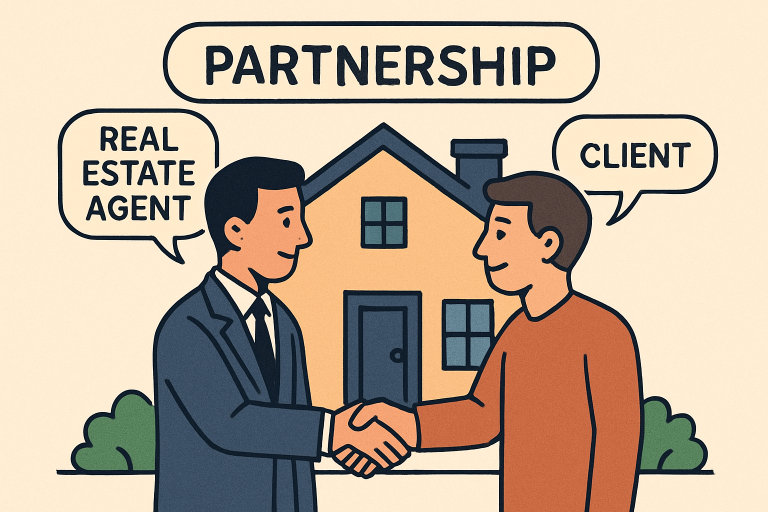
Establishing a successful partnership with a real estate agent is not just about professional accolades. It also requires a personal connection, trustworthiness, and the ability to provide sound guidance in complex and shifting markets. Taking the time to weigh your options pays off, especially in highly competitive areas where homes move rapidly.
Ultimately, qualified agents do far more than unlock doors and fill out paperwork. They offer market insight, negotiation skills, and ongoing support, ensuring you avoid common pitfalls. Careful evaluation upfront saves time and reduces stress throughout the entire buying or selling experience.
Assess Experience and Credentials
The foundation of a strong real estate partnership is experience. Agents with at least five years of experience in your specific market demonstrate familiarity with local trends, pricing strategies, and the particular challenges buyers and sellers face. Beyond tenure, specific designations highlight advanced education and specialized skill sets, including Certified Residential Specialist (CRS), Seniors Real Estate Specialist (SRES), and Accredited Buyer’s Representative (ABR).
Look up the agent’s listings and recent transactions to confirm they have a track record in your desired location and price range. Some databases and large brokerages, such as Realtor.com, provide insight into these statistics to help you make informed comparisons.
Verify Licensing and Check Disciplinary Actions
It is essential to verify that any real estate agent you consider is fully licensed in your state. Each state’s real estate commission or regulatory authority offers an online tool to confirm licensing status. These registries also indicate whether the agent has faced disciplinary actions, fines, or consumer complaints in the past. For example, if you are considering someone for California transactions, the California Department of Real Estate offers a public search portal. Taking this step protects you from hiring someone with a problematic record.
Evaluate Local Market Knowledge
Deep local knowledge enables an agent to provide accurate advice about pricing, attractive neighborhoods, and current inventory levels. An agent’s reputation in your chosen area is built by cultivating relationships and monitoring market shifts. A well-connected local agent can identify properties before they hit the public market and can help you understand school ratings, walkability, and commute times, factors that influence long-term satisfaction and resale value. As highlighted in a New York Times article, neighborhood expertise is critical when navigating fast-moving real estate environments.
Consider Communication Style
Differing communication styles can create misunderstandings and delays. Consider whether you prefer phone, email, or text messages for updates and negotiation. The best real estate agents will clarify your needs and initiate contact accordingly, providing timely feedback and precise instructions. Interview potential agents about their availability and responsiveness. Sometimes, personality fit is just as important as credentials for smooth collaboration throughout the process.
Understand Compensation Structure
Real estate agents most often work on a commission basis, which is typically five to six percent of the property’s sale price, split between the buyer’s and seller’s agents. However, the exact amount and structure may vary. It is vital to clarify not only commission rates but also any potential administrative fees, marketing costs, or services not included in the agreement. Discussing compensation upfront prevents misunderstandings and strengthens the foundation of your working relationship. For more information on industry norms and negotiation tips, visit Bankrate.
Read the Contract Carefully
Before signing any listing or buyer representation agreement, read all terms and conditions carefully. Details such as the contract length, exclusivity, cancellation clauses, and services provided should be crystal clear. Ask your agent to walk you through the fine print if anything is confusing. A transparent, thorough explanation gives peace of mind and helps you avoid disputes later. This step also allows you to compare offers from different agents to choose the contract that best aligns with your objectives.
Choosing the right real estate agent is about balancing credentials, trust, and compatibility. By carefully evaluating experience, confirming licensing, questioning local expertise, considering communication preferences, clarifying compensation, and reading contracts, you ensure a smoother experience. Selecting an agent who proves to be a true partner enables you to make sound decisions and achieve your real estate goals confidently.