The Unseen Problem: Why Your Home’s Air Might Be More Polluted Than You Think

The comfort of our homes often leads us to believe we are safe from environmental hazards. However, the reality of indoor air quality can be surprisingly different. While we often hear about outdoor pollution, the air inside our homes can harbor concentrations of pollutants that are far higher, posing a significant, yet often invisible, threat to our health and well-being.
The Shocking Stats on Indoor Air
Consider this: on average, Americans spend a staggering 90% of their time indoors. This statistic alone underscores the critical importance of indoor air quality. The U.S. Environmental Protection Agency (EPA) has found that levels of some pollutants in indoor environments are frequently two to five times higher than outdoor concentrations. This isn’t just an abstract problem; it translates directly to health risks for millions. Individuals with respiratory or heart conditions, as well as young children and older adults, may face a greater risk of developing health concerns linked to poor indoor air quality. Unexplained respiratory symptoms could be a subtle clue that it’s time to assess the air quality in your living space.
What’s Lurking in Your Air?
So, what exactly are these unseen threats? Indoor air pollution stems from a variety of sources, many of which are common household items or activities. Understanding these primary sources is the first step toward creating a healthier home environment.
- Particulate Matter (PM2.5): These are invisible fine particles, less than 2.5 micrometers in diameter, that can penetrate deep into the lungs and even enter the bloodstream. Sources include cooking, burning candles, fireplaces, wood-burning stoves, and even some cleaning activities. Dyson’s global air quality study, for instance, found that homes in all countries studied exceeded the WHO annual guideline for PM2.5, highlighting its pervasive nature.
- Volatile Organic Compounds (VOCs): These are gases emitted from certain solids or liquids, many of which can have short- and long-term adverse health effects. Common sources include paints, varnishes, cleaning supplies, air fresheners, pesticides, building materials, and even new furniture and carpeting. Formaldehyde, a common VOC, is often released from composite wood products and glues.
- Biological Pollutants: This category includes allergens like mold spores, dust mites, pet dander, and pollen. These can trigger allergic reactions, asthma attacks, and other respiratory issues. Dampness and high humidity are primary contributors to mold growth and dust mite proliferation.
- Radon: A naturally occurring radioactive gas that seeps into homes from the ground. It is colorless, odorless, and tasteless, making it undetectable without specialized testing. Exposure to radon is the second leading cause of lung cancer in the United States, making its mitigation crucial.
- Secondhand Smoke: Perhaps one of the most well-known indoor pollutants, secondhand smoke contains a toxic mix of over 7,000 chemicals, hundreds of which are toxic and about 70 that can cause cancer. Even “thirdhand smoke,” the residue left on surfaces, can impact air quality.
The Three Pillars of Improving Indoor Air Quality
Improving indoor air quality might seem like a daunting task, but it can be effectively managed by focusing on three fundamental strategies: source control, improved ventilation, and air cleaning/filtration. The EPA often emphasizes these strategies as the most impactful ways to create a healthier indoor environment. Generally, source control is considered the most effective and often most cost-efficient approach, followed by ventilation, and then air cleaning.
Pillar 1: Source Control
The most effective way to improve indoor air quality is to eliminate individual sources of pollution or to reduce their emissions. This strategy, known as source control, directly tackles pollutants at their origin, preventing them from contaminating the air in the first place.
This can involve a variety of actions:
- Choosing Low-Emission Products: When painting or undertaking home renovations, opt for low-VOC or zero-VOC paints, adhesives, and sealants. Similarly, when purchasing new furniture, especially items made from composite wood, consider options that are certified for low chemical emissions. Interestingly, opting for used furniture instead of new can also be beneficial, as furniture tends to release lower amounts of formaldehyde over time.
- Using Non-Toxic Cleaning Products: Many conventional cleaning supplies contain harsh chemicals that release VOCs into the air. Switching to natural, non-toxic alternatives like vinegar, baking soda, or commercially available eco-friendly cleaners can significantly reduce chemical exposure. When using any household chemicals, follow manufacturer instructions and ensure proper ventilation. For instance, you can find valuable guidance on managing household chemicals and other pollutants from vehicles and engines by referring to the EPA’s resources on what you can do to reduce pollution.
- Avoiding Indoor Smoking: Smoking indoors is a huge source of pollutants, including particulate matter and numerous toxic chemicals. Quitting, or at the very least, not smoking inside or near your property, will drastically improve air quality. There is also evidence that vaping nicotine products can cause indoor pollution.
- Proper Storage of Chemicals: Store household chemicals, paints, and solvents in tightly sealed containers in a well-ventilated area, preferably outdoors in a shed or garage, to prevent off-gassing into your living space.
- Managing Combustion Sources: If you use gas-fueled heating appliances or stoves, ensure they are properly installed and maintained to minimize emissions. Some experts recommend using direct vent gas appliances, which keep the gas from mingling with your indoor air. Avoid burning in your home, including fireplaces, wood stoves, and excessive use of candles, as these can release high amounts of harmful particles.
Pillar 2: Improving Home Ventilation
Ventilation is the process of bringing fresh outdoor air into your home and expelling stale, polluted indoor air. This dilutes indoor pollutants and helps maintain a healthier environment.
The benefits of improving ventilation are numerous:
- Dilution of Pollutants: Fresh air helps to lower the concentration of indoor pollutants, including VOCs, carbon dioxide, and biological contaminants.
- Moisture Control: Proper ventilation helps remove excess humidity, which is crucial for preventing mold growth and reducing dust mite populations.
- Odor Removal: It effectively removes cooking odors, pet odors, and other unpleasant smells.
There are several ways to improve ventilation:
- Natural Ventilation: Simply opening windows and doors, when outdoor air quality permits, is the simplest form of natural ventilation. Even 10 minutes a day can make a difference. However, if you live near a busy freeway, factory, or on poor air quality days (e.g., during wildfires), opening windows might not be advisable. You can check the air quality index (AQI) to make informed decisions.
- Mechanical Ventilation: This involves using fans and other systems to actively move air.
- Kitchen and Bathroom Exhaust Fans: Always use your kitchen extractor fan when cooking to remove smoke, steam, odors, grease, carbon monoxide, nitrogen dioxide, and volatile organic compounds. Similarly, use bathroom exhaust fans during and after showering to remove moisture and prevent mold.
- Whole-House Ventilation Systems: For more comprehensive and controlled ventilation, especially in newer, tightly sealed homes, whole-house ventilation systems are an excellent option. These systems can bring in filtered outdoor air and exhaust indoor air, often with energy recovery features. For more information on these advanced systems, you can refer to the U.S. Dept. of Energy’s Energy Saver: Whole-House Ventilation guide.
Pillar 3: The Role of Air Cleaning and Filtration
While source control and ventilation are primary strategies, air cleaning and filtration systems play a crucial supplementary role in removing airborne pollutants that remain.
- Air Purifiers: These devices are designed to remove various airborne particles and gases. Many air purifiers use High-Efficiency Particulate Air (HEPA) filters. HEPA filters are highly effective, capable of removing more than 99 percent of harmful particles from your air, including those as small as 0.3 microns, such as pollen, dust, pet dander, and mold spores. Some purifiers also include activated carbon filters to absorb gases and odors.
- HVAC System Filters: The filters in your central heating and cooling system are your home’s first line of defense against airborne particles. These filters capture dust, pollen, and other debris before they circulate throughout your home.
- MERV Ratings: The Minimum Efficiency Reporting Value (MERV) rating indicates a filter’s ability to capture larger particles between 0.3 and 10 microns. A higher MERV rating means better filtration. For improved indoor air quality, we recommend using filters with a MERV-13 rating, as suggested by the American Lung Association.
- Regular Filter Changes: The effectiveness of any air filter hinges on regular maintenance. Filters become clogged over time, reducing airflow and their ability to capture pollutants. A general rule of thumb is to change 1″ filters every one to three months and 4″ filters every four to six months, though this can vary based on household conditions like pets or high dust levels.
How Your HVAC System Impacts Indoor Air Quality
Your home’s heating, ventilation, and air conditioning (HVAC) system is designed to regulate temperature and circulate air. However, it can also play a significant, often overlooked, role in your indoor air quality. When not properly maintained, your HVAC system can become a source and distributor of pollutants, rather than a solution.
The Hidden Highway for Pollutants
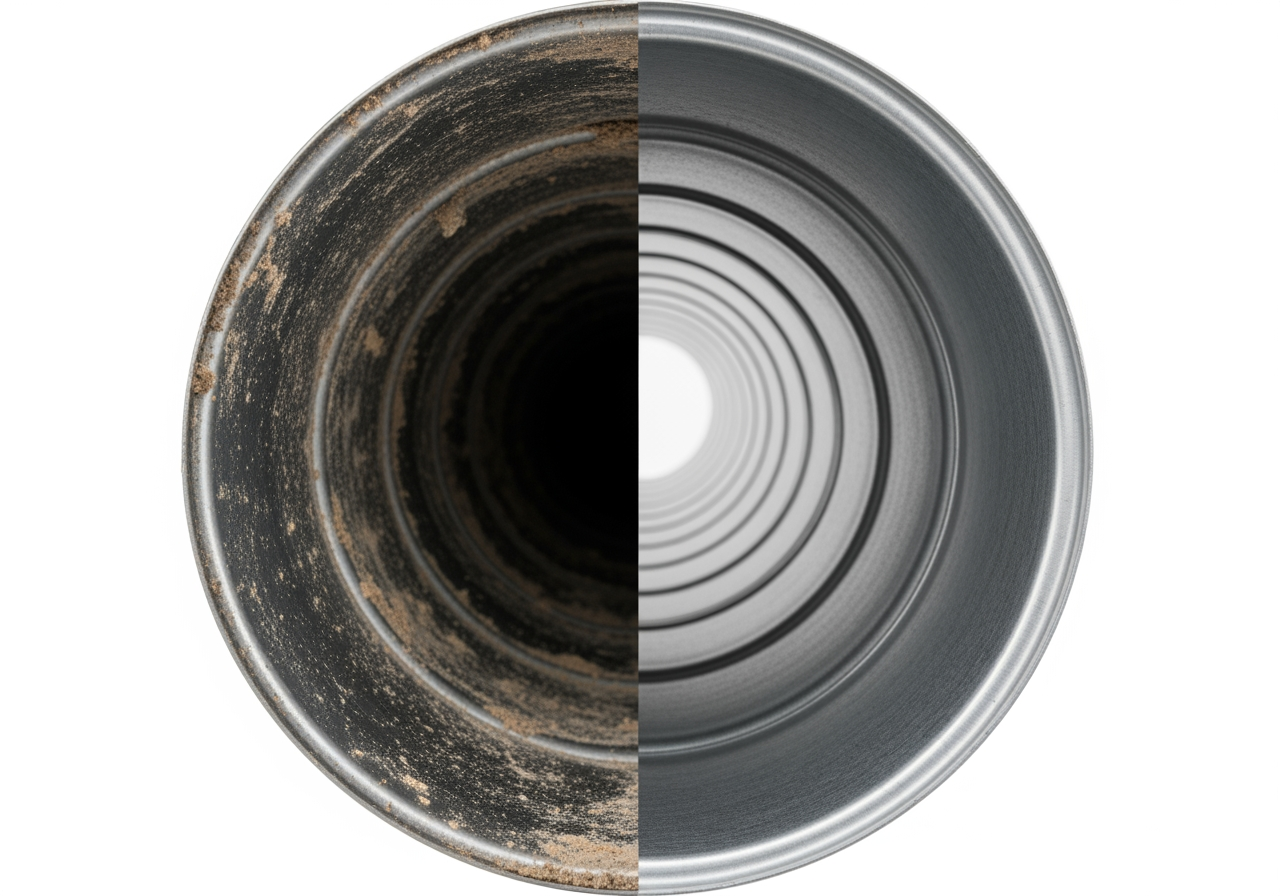
The ductwork that forms the “highway” for air in your home can accumulate a surprising amount of contaminants over time. Dust, debris, pet dander, pollen, and even mold spores can settle and build up inside these air ducts. Every time your HVAC system turns on, these accumulated pollutants can be recirculated throughout your living spaces, contributing to allergies, respiratory issues, and a general decline in air quality.
Beyond simply circulating existing pollutants, neglected ductwork can also present other problems:
- Moisture and Mold Growth: If there are leaks in the ductwork or issues with humidity control within the system, moisture can accumulate, creating an ideal breeding ground for mold and mildew. These biological contaminants release spores into the air, which can trigger allergic reactions and respiratory problems.
- Reduced System Efficiency: A buildup of debris in the ducts can restrict airflow, forcing your HVAC system to work harder to maintain desired temperatures. This not only increases energy consumption but also puts strain on the system, potentially leading to premature wear and tear.
Upgrading Your First Line of Defense: Air Filters
While professional duct cleaning addresses the accumulation within the ducts, the filters in your HVAC system are your everyday defense. Understanding and properly maintaining them is crucial.
- MERV Rating Explained: As mentioned, the MERV rating indicates a filter’s efficiency at capturing airborne particles. Filters with higher MERV ratings (e.g., MERV 11-13) are more effective at trapping smaller particles like pet dander, mold spores, and fine dust, significantly improving the air you breathe. However, it’s important to ensure your HVAC system can handle a higher MERV filter, as denser filters can restrict airflow if the system isn’t designed for them.
- Choosing the Right Filter: Consult your HVAC system’s manual or a professional to determine the highest MERV rating your system can efficiently support. Opting for pleated filters generally offers a better balance of filtration and airflow compared to basic fiberglass filters.
- How Often to Change Filters: The frequency of filter changes depends on several factors: the type of filter, the presence of pets, the number of occupants, and local outdoor air quality. A good rule of thumb for a typical household is to check filters monthly and replace them every 1-3 months. Homes with pets or allergy sufferers may need more frequent changes.
Beyond the Filter: When Ducts Need a Deep Clean
While regularly changing your HVAC filters is essential, filters only capture particles that pass through them. They don’t address the dust, debris, and contaminants that accumulate on the surfaces inside the ductwork itself. Over time, this buildup can become substantial, leading to persistent indoor air quality issues that filters alone cannot resolve.
Signs that your ducts might need a deep clean include:
- Visible mold growth inside the ducts or on other HVAC components.
- Excessive dust accumulation on surfaces shortly after cleaning.
- Unexplained allergy symptoms or respiratory irritation when the HVAC system is running.
- Foul or musty odors emanating from the vents.
- Evidence of rodent or insect infestation in the ductwork.
When these signs appear, a professional cleaning can significantly Enhance indoor air quality by removing years of accumulated contaminants that your filters simply can’t reach. This comprehensive cleaning ensures that the air circulating through your home is as clean and healthy as possible, complementing your regular filter maintenance.
The Professional Duct Cleaning Process Explained
Professional air duct cleaning is a specialized service designed to thoroughly remove contaminants from your home’s ventilation system. It’s not just about vacuuming; it involves a meticulous process to ensure all debris is dislodged and removed, improving both air quality and system efficiency.
Step 1: Inspection and Assessment
The process begins with a thorough inspection of your HVAC system and ductwork. Our technicians will visually examine the ducts using specialized cameras to identify problem areas, assess the level of contamination, and check for any signs of mold, pests, or damage. This initial assessment helps in tailoring the cleaning approach to your home’s specific needs.
Step 2: Creating Negative Pressure
Once the assessment is complete, the next crucial step is to create negative pressure within your duct system. This is achieved by connecting a powerful, truck-mounted vacuum system to a central point in your ductwork. All supply and return vents are sealed off to ensure a closed system. This powerful vacuum pulls air through the ducts, effectively containing and extracting loosened debris, preventing it from escaping into your living space during the cleaning process.
Step 3: Agitating and Removing Debris
With negative pressure established, specialized tools are used to agitate and dislodge contaminants from the interior surfaces of the ducts. These tools can include high-powered rotary brushes, compressed air whips, and specialized nozzles that scour the duct walls. This agitation breaks loose caked-on dust, pet dander, mold spores, and other debris. The powerful vacuum system then immediately pulls these loosened particles out of your home. In some cases, sanitizing and deodorizing agents may be applied to address stubborn odors or microbial growth, leaving your ducts clean and fresh.
Complementary Habits for Long-Term Clean Air
While professional air duct cleaning provides a significant boost to your home’s air quality, maintaining a healthy indoor environment is an ongoing effort. Integrating complementary daily and weekly habits into your routine ensures long-term benefits and sustains the fresh air you’ve worked to achieve.
Master Your Cleaning Routine
Regular cleaning is fundamental to minimizing indoor pollutants. Dust, pet dander, and other allergens don’t just accumulate in your ducts; they settle on surfaces throughout your home.
- Regular Dusting and Vacuuming: Make dusting and vacuuming a regular part of your household chores. Use a damp microfiber cloth for dusting, as it effectively captures particles rather than just spreading them around.
- Using a HEPA Vacuum: Invest in a vacuum cleaner equipped with a HEPA filter. This type of filter traps microscopic particles, preventing them from being recirculated into the air during cleaning.
- Washing Bedding and Curtains: Bedding, curtains, and upholstered furniture are magnets for dust mites, pet dander, and other allergens. Wash bedding in hot water at least once every two weeks, and regularly clean or vacuum curtains and upholstery. Consider hypoallergenic covers for mattresses and pillows to further reduce allergen exposure.
- Reducing Clutter: A minimalist approach can also contribute to better air quality. Less clutter means fewer surfaces for dust to accumulate on, making cleaning more efficient and effective.
Manage Household Humidity
Humidity plays a critical role in indoor air quality, particularly concerning biological pollutants. High humidity levels create an ideal environment for mold, mildew, and dust mites to thrive, while excessively dry air can irritate respiratory passages.
- Ideal Humidity Levels: Aim to maintain indoor humidity levels between 30% and 50%. You can monitor this with a simple hygrometer.
- Using Dehumidifiers: In humid climates or during damp seasons, a dehumidifier can effectively remove excess moisture from the air, inhibiting mold growth and reducing dust mite populations. Studies have shown that reducing humidity can lower levels of dust mites and allergens, providing relief for allergy sufferers.
- Fixing Leaks Promptly: Address any water leaks immediately, whether from plumbing, roofs, or foundations. Even small, undetected leaks can lead to significant mold problems.
- Proper Ventilation in Moisture-Prone Areas: Always use exhaust fans in bathrooms and kitchens to vent moisture-laden air outside. Ensure clothes dryers are properly vented to the outdoors as well.
The Truth About Houseplants and Your Indoor Air Quality
Houseplants are often touted as natural air purifiers, a notion popularized by a 1989 NASA study. While the study did show that plants could remove certain VOCs in a controlled lab environment, the real-world effectiveness in a typical home setting is more nuanced.
- NASA Study Context: The original NASA study used sealed chambers with high concentrations of pollutants and a large number of plants, conditions not easily replicable in a standard living room.
- Real-World Effectiveness: A 2017 research review found that while houseplants could help reduce specific indoor air pollutants, the results of many studies differed, and the overall impact of indoor plants on air quality might be less significant than often believed, especially compared to proper ventilation. You would likely need an impractically large number of plants to achieve a measurable effect comparable to mechanical ventilation or air purification systems.
- Recognized Air-Purifying Plants: Despite the caveats, some plants are recognized as more effective at keeping indoor air clean, including Dracaena, Peace Lily (Spathiphyllum), and English Ivy (Hedera helix). While they may not replace an air purifier, they can still contribute to a more pleasant indoor environment.
- Caveats about Mold and Allergies: Over-watering houseplants can lead to mold growth in the soil, which can actually introduce mold spores into your indoor air, potentially worsening allergies for some individuals.
Conclusion: A Breath of Fresh Air for Your Home
Improving your home’s air quality is a holistic endeavor, combining smart choices, consistent maintenance, and targeted professional services. We’ve explored the hidden dangers of indoor air pollution, identified its primary sources, and outlined the three main strategies for improvement: source control, ventilation, and air cleaning.
At the heart of a truly healthy indoor environment lies a well-maintained HVAC system, and this is where professional air duct cleaning plays an indispensable role. By tackling the accumulated dust, allergens, and contaminants within your home’s circulatory system, it provides a foundational improvement that complements all other efforts. When combined with regular filter changes, diligent cleaning habits, and effective humidity management, you create a comprehensive defense against indoor pollutants.
Taking proactive steps to improve your indoor air quality is an investment in your family’s health and comfort. It empowers you to transform your living environment into a sanctuary where every breath is clean and refreshing.