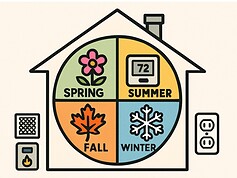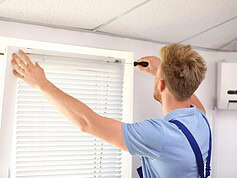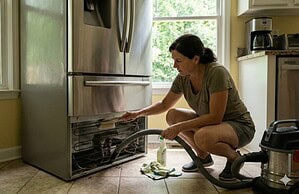
Introduction: Why Proactive Maintenance is Your Home’s Best Friend
Owning a home in Des Moines, Iowa, is a big step and one of our most important investments. To truly protect this investment, we must understand and maintain its vital systems. Regular home systems maintenance keeps everything running smoothly and prevents small issues from becoming big problems. Neglecting these essential systems can lead to costly breakdowns, higher utility bills, and even safety hazards. We all want our homes to be safe, comfortable, and efficient for our families. This guide will help us steer the important tasks for two critical areas: HVAC and garage door maintenance.
The Core of Home Systems Maintenance: Your HVAC System
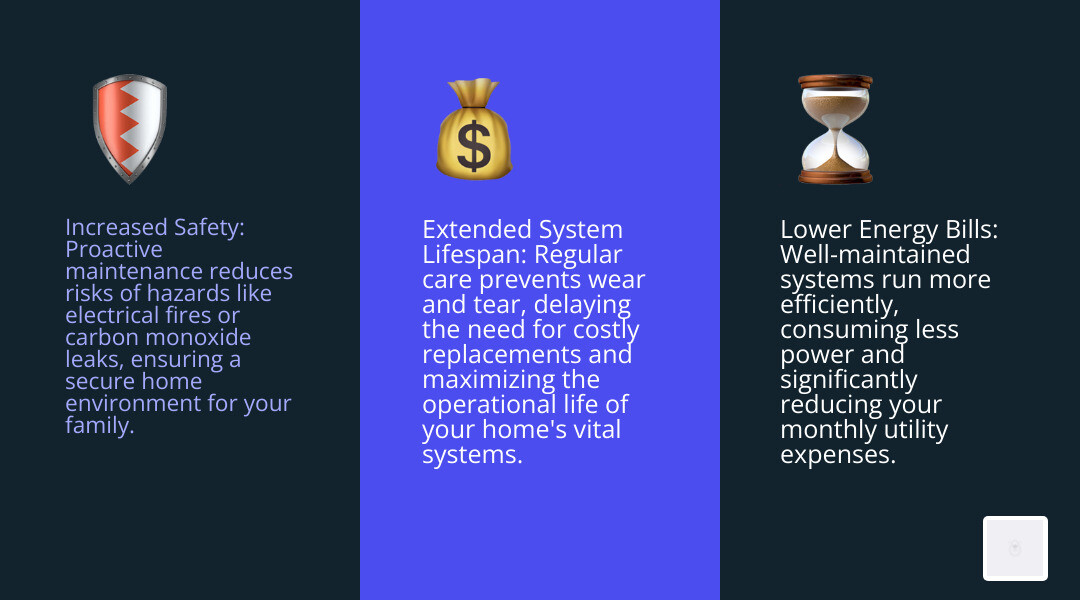
Our home’s Heating, Ventilation, and Air Conditioning (HVAC) system is the silent workhorse that ensures our comfort year-round. It’s responsible for managing indoor temperatures, circulating air, and maintaining air quality. The importance of maintaining this complex system cannot be overstated. Neglecting your HVAC system can lead to reduced efficiency, higher energy bills, and costly breakdowns. Regular maintenance not only extends the system’s lifespan but also improves energy efficiency, which translates directly into lower utility bills. Furthermore, a well-maintained HVAC system contributes significantly to better indoor air quality, a crucial factor for our family’s health and well-being.
Key DIY Tasks for HVAC Home Systems Maintenance
While professional servicing is essential, there are several routine tasks we, as homeowners, can perform to keep our HVAC system in good shape. These simple, yet impactful, DIY checks can prevent many common issues and maintain system efficiency.

The most frequent and arguably most important DIY task is changing air filters. Regularly changing air filters can improve air quality and system efficiency. Depending on the filter type and household conditions (pets, allergies), disposable 1-inch filters may need changing monthly, while high-efficiency filters can last six months to a year. A dirty filter restricts airflow, forcing the system to work harder, which wastes energy and can lead to premature wear.
Monthly HVAC Checks:
- Changing Air Filters: Inspect and replace filters as needed. This is crucial for maintaining air quality and system efficiency.
- Cleaning Registers and Vents: Vacuum heat registers and return air vents to ensure proper airflow. Dust and debris can accumulate, impeding circulation and potentially blowing into your home.
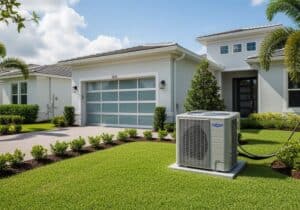
- Clearing Debris from Outdoor Units: For central air conditioning, ensure the outdoor condenser unit is free of leaves, grass clippings, and other obstructions. This allows for proper heat exchange.
- Checking Thermostat Batteries: Replace thermostat batteries annually or when indicated. A malfunctioning thermostat can lead to inefficient operation.
- Monitoring System Sounds: Pay attention to any unusual noises coming from your HVAC unit. Strange sounds can be early indicators of mechanical problems.
When to Schedule Professional HVAC Service
While DIY tasks are valuable, certain aspects of HVAC maintenance require the expertise of certified professionals. Scheduling biannual professional inspections is a cornerstone of effective home systems maintenance. These visits typically occur in the spring for air conditioning tune-ups and in the fall for furnace inspections.
A spring AC tune-up ensures your cooling system is ready for the summer heat, checking refrigerant levels, electrical connections, and overall performance. Similarly, a fall furnace inspection prepares your heating system for winter, identifying potential hazards like carbon monoxide leaks and ensuring efficient operation. Professionals can also inspect ductwork for leaks, which can account for significant energy loss, and clean internal components that are difficult and potentially dangerous for homeowners to access.
For a comprehensive approach to keeping your home comfortable and your HVAC system running optimally, consider a structured plan. A well-designed plan for comfort home systems maintenance ensures your system receives the necessary attention year-round, preventing unexpected breakdowns and maximizing efficiency. Professionals can also advise on upgrades, such as programmable or smart thermostats, which can further improve energy savings and comfort.
Your Home’s Largest Moving Part: Essential Garage Door Upkeep
Often overlooked in the grand scheme of home maintenance, the garage door is arguably the largest and most frequently used moving part of our homes. It plays a critical role in security, curb appeal, and convenience, often serving as the primary entry point for families. Given its daily use, a garage door endures significant wear and tear. Regular upkeep is vital to prevent breakdowns, ensure safety, and prolong its lifespan.
Essential Safety Checks in Garage Door Home Systems Maintenance
The safety features of a garage door are paramount, especially in homes with children or pets. We must regularly test these mechanisms to prevent accidents.

- Auto-Reverse Test: This is a crucial safety check. Place a roll of paper towels or a 2×4 board flat on the garage floor in the path of the door. As the door closes, it should reverse upon contact with the object. If it doesn’t, the closing force may be too high, or the auto-reverse mechanism needs adjustment by a professional. Test this monthly.
- Photo-Eye Sensor Alignment: These sensors, located a few inches off the floor on either side of the door, project an invisible beam. If the beam is broken while the door is closing, it should automatically reverse. Ensure the sensors are clean and properly aligned. A misaligned or dirty sensor can prevent the door from closing or cause it to reverse unexpectedly.
- Manual Release Handle Check: Familiarize yourself with the red emergency release handle. This allows you to open the door manually during a power outage or malfunction. Ensure it’s easily accessible and you know how to use it safely.
- Visual Inspection of Cables and Springs: While we advise against attempting to adjust or repair these components due to extreme tension, a visual inspection can alert us to potential problems. Look for frayed cables or gaps in springs, which indicate wear and require professional attention.
Simple Lubrication and Cleaning for Smooth Operation
Beyond safety, regular lubrication and cleaning contribute significantly to the smooth and quiet operation of our garage doors.
- Lubricating Rollers: Apply a silicone-based lubricant (never grease) to the rollers and hinges every few months. This reduces friction and wear.
- Cleaning Tracks: Keep the tracks free of dirt, debris, and hardened grease. Use a damp cloth to wipe them down, ensuring the rollers can move freely.
- Wiping Down Sensors: Dust and cobwebs can obstruct photo-eye sensors. Gently wipe them clean with a soft cloth.
- Tightening Bolts and Hardware: Over time, vibrations can loosen bolts and nuts on hinges and mounting brackets. Periodically check and tighten these to ensure stability.
While these DIY tasks can address common issues, complex problems or annual comprehensive checks are best handled by experts. For complex issues or annual tune-ups, professional home garage door maintenance services are often the safest and most effective approach. Professionals have the specialized tools and expertise to handle high-tension components like springs and cables, ensuring proper function and preventing potential injury or further damage.
DIY vs. Professional Help: Knowing Your Limits
Home systems maintenance often presents a choice: tackle it ourselves or call a professional? The answer isn’t always straightforward. While we advocate for proactive homeowner involvement, knowing our limits is crucial for safety, effectiveness, and avoiding unintended damage.
Tasks You Can Tackle
Many routine maintenance tasks are well within the capabilities of the average homeowner. These often involve basic tools, minimal technical knowledge, and a focus on observation and simple replacement. Performing these tasks regularly empowers us to stay on top of our home’s condition and can save money on service calls.

- Filter Replacement: As discussed, changing HVAC air filters is a straightforward task that significantly impacts air quality and system efficiency.
- Simple Cleaning: Wiping down surfaces, clearing debris from outdoor units, cleaning vents, and scrubbing drains are all manageable cleaning tasks.
- Debris Removal: Clearing gutters, removing leaves from window wells, and sweeping garage door tracks are essential for preventing blockages and water damage.
- Battery Changes: Replacing batteries in smoke detectors, carbon monoxide detectors, and thermostats is a simple yet vital safety measure. Ground Fault Circuit Interrupter (GFCI) outlets should also be tested monthly by pressing the ‘test’ button.
- Visual Inspections: Regularly walking around our home, inside and out, to look for leaks, cracks, signs of pests, or wear and tear on various components is a powerful preventative measure. Water damage is a leading cause of home insurance claims, and early detection is key.
Jobs Best Left to the Pros
For tasks that involve specialized tools, technical expertise, high voltage electricity, pressurized systems, or components under extreme tension, it’s always best to call a certified professional. Attempting these jobs without proper training can be dangerous, lead to further damage, void warranties, or even result in serious injury.
- HVAC Refrigerant Handling: Refrigerant is a hazardous substance that requires special equipment and licensing to handle. Any issues with refrigerant levels or leaks should be addressed by an HVAC technician.
- Complex Electrical Repairs: While we can check GFCI outlets, anything involving the main breaker panel, wiring repairs, or new circuit installations should be performed by a licensed electrician. A well-maintained electrical system reduces the risk of fires, shocks, and power outages.
- Garage Door Spring Replacement: Garage door springs are under immense tension and can cause severe injury if mishandled. This is a job strictly for professionals.
- Structural Component Repairs: Significant cracks in foundations, major roof repairs, or issues affecting the structural integrity of our home require the assessment and repair by qualified contractors.
- Major System Diagnostics: If an HVAC system isn’t heating or cooling properly, or a garage door opener is completely unresponsive, a professional diagnostic is needed to accurately identify the root cause.
Frequently Asked Questions about Essential Home Maintenance
We often encounter common questions about home maintenance. Here, we address some of the most pressing concerns to help you make informed decisions about your home’s upkeep.
How often should I have my HVAC system professionally serviced?
Professional servicing is generally recommended twice a year: once in the spring for your air conditioning unit and once in the fall for your heating system. This biannual schedule ensures optimal performance, efficiency, and safety as your home transitions between seasons of peak use. Regular professional maintenance can prevent up to 40% energy efficiency loss and catch small issues before they escalate into costly breakdowns. Neglecting your HVAC system can lead to reduced efficiency, higher energy bills, and costly breakdowns.
What are the most critical safety features of a garage door to check?
The two most critical safety features of a garage door are the auto-reverse mechanism and the photo-eye sensors. We should test the auto-reverse monthly to ensure the door reverses on contact with an object, preventing entrapment. Regularly check that the photo-eye sensors are clean and properly aligned; they prevent the door from closing if an obstruction breaks the infrared beam. These checks are vital for preventing accidents and ensuring the safety of everyone around the garage door.
Can regular maintenance really save me money?
Absolutely. Regular home maintenance is a proactive investment that yields significant financial returns. Firstly, it helps systems run more efficiently, which directly translates to lower monthly energy bills. For instance, regularly changing air filters and professional HVAC tune-ups can significantly reduce energy consumption. Secondly, maintenance catches small issues before they become major, expensive breakdowns. Addressing a minor leak in your plumbing system or a worn-out part in your HVAC unit early can prevent catastrophic failures that would require much more costly repairs or even premature system replacements. Homeowners should set aside about 1% to 3% of a home’s value annually for maintenance and repairs, a small price to pay to avoid much larger, unexpected expenses.
Conclusion: A Small Investment for Long-Term Peace of Mind
Maintaining our home’s essential systems, particularly HVAC and garage doors, is more than just a chore; it’s a commitment to protecting our most significant investment. We’ve explored the critical role of HVAC in ensuring comfort and air quality, and the importance of garage door upkeep for security and functionality. From changing air filters and testing safety sensors to understanding when to call in the professionals, each task contributes to a safer, more efficient, and more valuable home.
Embracing a proactive approach to home systems maintenance, rather than a reactive one, empowers us to prevent costly repairs, extend the lifespan of our systems, and enjoy long-term peace of mind. Regular upkeep is the key to a safe, comfortable, and efficient home, ensuring it remains a haven for us and our families for years to come.