
Key Takeaways
- Historic hotels serve as custodians of local heritage, preserving architectural and cultural traditions.
- They significantly contribute to local economies through job creation and support of local businesses.
- These establishments foster community engagement by hosting events and promoting regional culture.
Preserving Architectural Heritage
Historic hotels are not merely places to rest; they are immersive experiences that anchor visitors and locals alike to the past. These landmark buildings are often painstakingly preserved to maintain the character and craftsmanship of their original construction. The intricacy of carved wooden moldings, elaborate metalwork, and hand-painted frescoes serves as a tangible reminder of the times and talents that predated modern building methods.
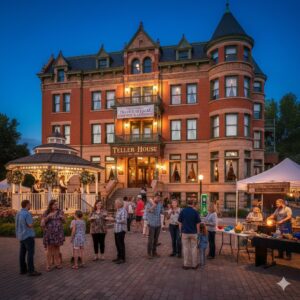
For example, the attention to detail in places like the Teller House illustrates a commitment to honoring tradition while inviting guests to participate in a unique kind of cultural living. Each carefully restored room often tells a story, connecting patrons to the people and events that shaped the building’s history. Through their restoration efforts and dedication to authenticity, establishments like Teller House cultural living highlight the enduring beauty and relevance of historic design. In many cases, these preservation efforts require partnerships with artisans and historians who can faithfully bring historical features back to life.
Many of these venerable hotels have retained ornate staircases, hand-carved banisters, and stained-glass windows—features that are impossible to replicate with modern construction methods. Preserving these details isn’t simply about aesthetics; it means safeguarding the memory of generations, each of which adds its own layer of significance to these sites. Visitors not only take in history with their eyes; they experience it in every brick and beam. The act of walking through the corridors or resting in antique-filled lobbies becomes a link to a collective past, turning even a brief stay into a journey through time.
Celebrating Local Traditions
Beyond physical architecture, historic hotels are beacons for the celebration and preservation of intangible cultural traditions. These venues frequently host seasonal festivals, culinary nights, and art exhibits that are rooted in local customs. This connection to tradition enables guests to immerse themselves in authentic community experiences while supporting the continuation of beloved regional practices. Not only does this help sustain cultural identity, but it also educates travelers about the region’s heritage in a deeply engaging way.
Guests often find that staying at a historic hotel transforms a simple trip into a holistic journey through local culture. The staff, often deeply knowledgeable about the area, act as ambassadors—sharing stories, legends, and folklore that connect visitors to the community’s soul. This personal touch distinguishes historic hotels from standard accommodations. Through hands-on activities, such as workshops, historical tours, and locally-inspired cooking classes, these hotels build bridges between the past and present, creating meaningful interactions that visitors remember long after their stay has ended.
Economic Contributions to Local Communities
The economic footprint of historic hotels ripples well beyond their front doors. Unlike chain accommodations, these establishments draw travelers interested in more than just a convenient stop—they attract those eager to explore local heritage, supporting tourism throughout the region. This influx of culturally minded visitors generates significant spending at neighboring businesses, thereby elevating local shops, cafes, museums, and galleries. In turn, this circulation of revenue creates a robust local economy and encourages other entrepreneurs to invest in the area.
Historic hotels frequently forge partnerships with local providers, sourcing fresh produce, artisanal food, and handcrafted goods to create an immersive guest experience. This approach amplifies their economic impact by ensuring that tourism dollars stay within the area and benefit diverse segments of the community. Whether it is fresh honey from a nearby farm served at breakfast or locally woven textiles in the guest rooms, these choices reinforce the region’s identity. According to the National Trust for Historic Preservation, these synergistic relationships contribute to the sustainable development of local economies and encourage long-term investment in heritage tourism.
Job Creation and Employment Opportunities
Operating historic hotels requires a variety of skills, resulting in a wide array of careers at all levels. Front-of-house staff, skilled craftspeople, conservators, guides, and event coordinators all find opportunities within these vibrant institutions. This diversity of roles not only reduces unemployment but also offers long-term career paths for community members. Positions in hospitality, maintenance, programming, and heritage interpretation offer both stable employment and a strong sense of purpose, as employees contribute to the preservation of something meaningful.
Many historic hotels invest in ongoing training and apprenticeship programs to sustain traditional trades such as wood carving, masonry, or restoration. Because these skills are often rare, mentorship programs ensure these arts are handed down, keeping both people and culture at the heart of the enterprise. These learning opportunities cultivate a new generation of craftspeople, ensuring that valuable skills are passed down and local heritage continues to thrive for years to come. By investing in their teams, historic hotels create both economic and cultural resilience in the surrounding community.
Supporting Local Businesses
The impact of historic hotels extends beyond their walls, often acting as economic engines that help small businesses flourish. By sourcing food, products, and services locally, hotels establish direct supply chains that support local farmers, glassblowers, ceramicists, florists, and more. When a hotel regularly purchases from neighborhood vendors, it provides reliable business, allowing these artisans and producers to reinvest and grow.
Collaboration with tour operators and event planners enhances the reach of these economic benefits, weaving the hotel’s success into the fabric of the entire community. Weddings, conferences, and festivals held at historic hotels can draw hundreds of visitors, benefiting everyone from transportation services to local restaurants. Historic hotels are often involved in local marketing initiatives, promoting regional experiences and attractions to a broader audience. These coordinated efforts ensure a steady flow of visitors interested in genuine cultural experiences, strengthening the overall tourism sector and investing in the area’s future prosperity.
Fostering Community Engagement
In many towns and cities, historic hotels serve as cultural gathering spaces and catalysts for community interaction. These properties host lectures, art showings, seasonal celebrations, and benefit events, fostering civic pride and supporting local nonprofits and artists. Through these public engagements, hotels foster a sense of belonging and help visitors and residents alike connect with the area’s stories and traditions. Community events held at historic hotels often become annual traditions, fostering increased local involvement and solidifying the hotel’s status as a cherished community pillar.
Their role as gathering places is especially crucial in rural or historic towns, where access to dedicated event spaces is limited. Historic hotels fill this gap, providing a venue for collective memory-making that strengthens community bonds and ensures the continuity of cherished customs. People gather for reunions, holiday markets, celebrations of local achievements, and commemorations of historical milestones—all within the welcoming walls of a familiar landmark.
Challenges and Adaptations
Despite their many strengths, historic hotels must continuously adapt to contemporary needs while safeguarding their heritage. Modern guests expect a certain level of comfort, technology, and environmental responsibility, presenting challenges for properties built decades or even centuries ago. Meeting these expectations requires significant investments in infrastructure, often mixing artisanal techniques with discreet, efficient upgrades.
The delicate process of updating plumbing, wiring, and amenities must be managed with respect for original materials and design. Many have struck a careful balance, updating guest rooms and public spaces to incorporate sustainable practices and digital conveniences—such as high-speed Wi-Fi and electric car charging—without detracting from the authentic historic atmosphere. Creative problem-solving, often involving historians and skilled tradespeople, allows these hotels to evolve without sacrificing their identity. By thoughtfully adopting green building practices and energy-efficient systems, historic hotels can lead the way towards a sustainable future while honoring traditions.
Conclusion
Historic hotels stand as pillars of cultural preservation and community enrichment, maintaining century-old craftsmanship, supporting local economies, and fostering a vibrant civic life. By embracing both their legacy and the evolving needs of modern travelers, these storied properties ensure that heritage remains a vibrant, living part of daily life. Their continued relevance speaks to a universal desire to connect, remember, and celebrate the places that shape us all. A stay at a historic hotel is truly a journey through time, offering layers of experience and meaning that modern hotels cannot replicate.