
Table of Contents
- Introduction
- Pathways of Contamination
- Common Contaminants Introduced by Heavy Rainfall
- Preventive Measures
- Testing and Treatment
- Conclusion
Introduction
Countless households benefit from using their own; similarly, these families may be impacted after extremely intense weather events by alterations in the colour or flavour of the water supplied from their own wells. Water quality is significantly impacted by excess precipitation, and homes have been known to experience changes to their local environment. You are not the only one asking yourself, why is my well water yellow? After major amounts of precipitation, many wells will have some form of dirty water enter them; the water entering a well could have been contaminated due to the current condition of the environment.
Heavy precipitation events generally create increased surface runoff, which includes the transfer of soil and organic matter as well as other potential contaminants into groundwater systems. This can quickly turn your well water supply into an area of concern for you as an owner because of the impact that the changes in the environment will have on your well water. The more you understand about the potential risks to your well, the better equipped you will be to take the steps necessary to protect the safety and quality of your well water.
The type of construction of your well water system, as well as whether it has been properly maintained and/or located in a high vulnerability area, will determine whether you experience contamination from storm events. However, certain issues are often experienced as a result of heavy precipitation events, such as cloudiness, discoloration, and odd smells. The added amount of water created by flooding, particularly by storm systems, has increased the effects of the problems experienced by many people who have private well
The only reason to worry about protecting your well from the damaging effects of stormwater is not simply for your own comfort, but also to protect the health of the people who live in your home. Regular testing of the quality of your well water and ongoing routine maintenance of your well can reduce the chance of being impacted by permanent or temporary contamination that is brought into your well as part of the stormwater.
Pathways of Contamination
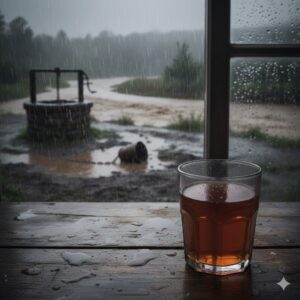
During the runoff, pollutants such as animal waste, fertilizer, trash, and many others are carried with the water. As a result, if you have a well that is located in an area that has low elevation or is not well protected, then the runoff can potentially enter your well system through contamination. Wells that have damaged tops or poor seals are often more likely to be contaminated due to runoff compared to intact sealed wells. While the runoff enters your well, it will also carry with it everything it encounters while flowing past, including bacteria, chemicals, etc.
According to the United States Geological Survey, rainfall runoff can increase the movement of contaminants into wells, especially very shallow and poorly protected wells. Therefore, it is essential to know where your well is located and address any potential weaknesses before the next heavy rain.
Common Contaminants Introduced by Heavy Rainfall
Heavy rain can contribute to a variety of contaminants entering private wells from surface run-off containing animal waste, effluent/sewage, decaying organic material, etc. This is how harmful microorganisms, including E. coli and coliform bacteria, are introduced into private wells and represent a substantial risk of illness through gastrointestinal infection. Nitrates are yet another potential contaminant that usually comes from fertiliser applications and agricultural run-off. Once introduced into the soil during heavy rain, they may also leach into a well and are particularly harmful to young infants, pregnant women and elderly people, due to the potential to cause methemoglobinemia. Additionally, sediment (sand, silt and clay) will be introduced into your well during heavy rain and will make the water cloudy, give it an unpleasant taste, and clog pump and filter systems. Chemical pollutants, such as pesticides and lawn care products, may also run off into wells during storms; this is especially true in areas adjacent to agricultural or industrial land uses.
Preventive Measures
The best way to protect your well during severe rainstorms is to ensure it is maintained properly, which means taking care of your well and using preventative measures to prevent contamination caused by a rainstorm. To maintain your well, perform regular inspections of both the well casing and the well cap to ensure they are functioning correctly. You should check for contamination of both bacteria and nitrates at least once every 12 months; however, you should test your water for these substances immediately after any major storm. You also want to create a sufficient slope away from the area of the well so that if there is a major rainfall, it does not flood the area and cause damage to your well. Additionally, installing gravel to help funnel water away from the well can prevent erosion around the wellhead from occurring. It is also essential to seal or properly plug any unused wells, as these allow contaminants to enter the water supply directly.
Testing and Treatment
Your drinking water is important and should be regularly tested for possible threats to your health. Well water can contain harmful or potential health threats from bacteria and chemicals, which are often visually undetectable before they show signs of contamination. The presence of any contaminants in your well water is a signal that you should take the appropriate steps to prevent you and your family from drinking contaminated water. Homeowners have numerous options for improving the quality of their well water, including:
- Filtration – Sediment filters and activated carbon filters are specifically designed to remove particles and reduce odors and/or tastes caused by the presence of contaminants.
- Disinfection – Chlorination and ultraviolet (UV) light are both effective ways to treat microorganisms found in drinking water.
- Reverse Osmosis – This method is very efficient for removing different types of contaminants, including minerals and chemicals, from groundwater.
According to the Centers for Disease Control and Prevention, homeowners should get their wells checked at least once every year and immediately after experiencing heavy rain or flooding.
Conclusion
It is possible for extremely heavy rainfall to have a dramatic effect on the safety and quality of your well water due to the introduction of new contaminants that could jeopardize the safety of your family members or household. Understanding how heavy rainfalls create various water quality issues and the best ways to maintain, test, and treat your water will give you the confidence and knowledge to effectively monitor your water. Always be proactive and aware of how sudden or unexpected weather patterns can affect your water supply and make a point of constantly monitoring your well throughout the entire year.