
Table of Contents
- Rising Housing Costs
- Minimalist Lifestyle
- Environmental Consciousness
- Increased Mobility
- Technological Integration
- Urban Adoption
- Legal Considerations
- Conclusion
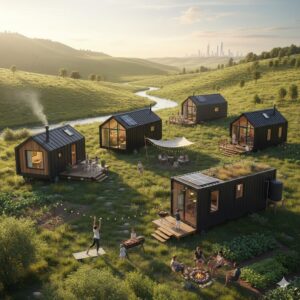
The growing popularity of tiny homes is transforming ideas about what makes an ideal living space. As cities around the globe grapple with surging property prices and populations, traditional concepts of homeownership and living space are being challenged. Fueled by rising urban housing costs, a global push toward sustainability, and a desire for freedom and flexibility, the tiny house movement has become a symbol of modern minimalism and innovative living. For many, the appeal lies not just in downsizing but in upgrading to a lifestyle where each design choice is purposeful, and every square inch is maximized. Options like The Winnie’s community living bring affordability, community, and intentional design together, reshaping how people approach homeownership and day-to-day well-being. These communities demonstrate that comfort and convenience do not have to be sacrificed for size—encouraging a new wave of homeowners to rethink space, utility, and community in the modern world.
By combining efficient layouts with resource-saving technologies, tiny homes meet the needs of individuals and families who aim to minimize their footprint without sacrificing comfort. Architects and builders are continually innovating within the small-home space, offering models with loft bedrooms, convertible living spaces, and expandable features. These compact dwellings are more than just a trend—they’re a response to some of the most pressing issues facing society, including accessible housing, climate change, and the evolving nature of work. The tiny house revolution offers not only economic and environmental advantages but also a pathway to greater autonomy and meaningful connection. In fact, for many people, the reduced space prompts a closer bond to family, nature, and community, strengthening relationships that too often get lost in larger, more isolated dwellings.
Rising Housing Costs
Escalating real estate prices in major cities have left many aspiring homeowners struggling to keep up. The combination of stagnant wages and unparalleled demand has pushed millions out of the traditional housing market altogether. Conventional mortgages, property taxes, and upkeep expenses can quickly overwhelm even the most diligent savers, forcing people to reconsider what kind of home they can realistically afford. In response, tiny houses have emerged as an accessible alternative, enabling people to secure a place to live in high-demand areas without the stress of outsized debt. In many cases, tiny home ownership means paying a fraction of the cost for land and construction, allowing owners to avoid lifelong mortgages. This lower financial barrier opens the door for more individuals to achieve stability while focusing on other life goals, such as travel, education, or entrepreneurial ventures. For many, tiny home living is a liberating way to break free from the financial burdens that often come with buying and maintaining a conventional home.
Minimalist Lifestyle
The appeal of the minimalist lifestyle has grown rapidly alongside the tiny house phenomenon. Many are now trading excess for experiences, opting to declutter both their homes and their lives to achieve a sense of peace and purpose. Living in a tiny home naturally encourages simplicity—residents learn to prioritize what truly matters, leading to more purposeful consumption and richer experiences. With limited square footage, possessions need to be carefully curated, often leading to the embrace of higher-quality, multipurpose items that deliver lasting value rather than short-lived satisfaction. This philosophy resonates especially with younger generations who prioritize flexibility and well-being over material accumulation, as well as with retirees seeking a simpler, more manageable way of life. Minimalist living also often correlates with reduced stress, increased focus, and a greater appreciation for nature, as owners spend more time outdoors and within their community.
Environmental Consciousness
Tiny homes exemplify sustainable living by using fewer resources during both construction and daily operation. The smaller size means less energy is required for heating, cooling, and lighting, resulting in lower utility bills and a reduced environmental impact. Many incorporate eco-friendly features such as solar panels, composting toilets, and rainwater harvesting systems, making them a strong choice for those committed to reducing their ecological footprint. Some tiny home builders use reclaimed or recycled materials, further lessening resource consumption and landfill waste. As environmental awareness grows, more people are seeking housing that supports their dedication to sustainability, choosing to leave a lighter footprint on the planet. According to the New York Times, tiny homes can have a significantly lower carbon footprint compared to traditional homes, helping residents live in line with their values while actively contributing to the fight against climate change.
Increased Mobility
One standout advantage of tiny homes is their mobility, especially for units built on trailers. For many, the allure of relocating with ease is a decisive factor in choosing the tiny home lifestyle. These homes appeal to digital nomads, seasonal workers, and adventure lovers who crave new environments and flexibility. Families might decide to move with the seasons or relocate for job opportunities, without the hassle and expense of selling or buying a new house. Being able to relocate with relative ease means residents can explore diverse communities and landscapes while keeping their home base consistent—an important benefit for those who value freedom and adaptability. This nomadic existence also offers exposure to new cultures, regional events, and ever-changing scenery, creating a life rich in diversity and new experiences.
Technological Integration
Technological advancements have greatly enhanced the livability of tiny homes. Integrated smart technology allows homeowners to manage everything from security to climate controls via voice commands or mobile devices, making small spaces more efficient and comfortable. Automating daily tasks further reduces the need for additional appliances and utensils, maximizing usable space. Energy-efficient appliances, solar power setups, and advanced insulation enable off-grid capabilities, saving money and making sustainable living easier than ever. Smart technology is now a central feature of many new builds, making the tiny home lifestyle increasingly convenient and appealing. Design elements like folding staircases, multipurpose furniture, and built-in storage units further optimize tiny home spaces.
Urban Adoption
The rise of tiny homes is not limited to rural or suburban locales—cities are now embracing micro-living as a solution to dense population issues and housing shortages. With urban land at a premium, tiny homes and micro-apartments allow municipalities to increase housing density without sacrificing green space. Philadelphia, for example, has seen a notable increase in micro-housing, with almost 7% of its rental market now comprised of these diminutive units. These developments offer young professionals and students a foothold in sought-after urban neighborhoods without breaking the bank. Urban planners recognize the efficiency in fitting more affordable, eco-friendly homes into limited space, giving renters and homeowners alike new options in fast-growing areas. As public transportation improves, living in a tiny house within a city center becomes even more appealing, further blurring the line between minimalist ambitions and urban convenience.
Legal Considerations
Despite their many benefits, tiny homes encounter unique legal hurdles. Zoning laws, building codes, and land use regulations can be complex and vary widely from place to place. Some municipalities strictly regulate minimum dwelling sizes or prohibit mobile residences, which can exclude tiny homes from certain areas. Prospective tiny homeowners should research local requirements thoroughly to ensure compliance and avoid costly mistakes. While some progressive cities are making exceptions and updating codes to allow more flexible living options, others remain resistant to change. Advocacy groups continue to work toward more uniform and supportive legislation. In the meantime, careful planning and consultation with professionals—such as architects, real estate agents, and legal advisors—are key to a smooth experience. Being aware of legal considerations is crucial to ensuring the dream of tiny house living does not turn into a frustrating or costly ordeal.
Conclusion
Tiny homes stand at the intersection of innovation, necessity, and possibility. By providing affordable, sustainable, and flexible living solutions, they are challenging outdated ideas about what a home should be. For many, the move to a tiny home signals not just a change in address, but a transformation in values—a shift toward intentional living and conscious consumption. As interest in minimalism and sustainability continues to grow, expect tiny homes to play an even greater role in shaping the future of housing and community life. Whether for financial freedom, ethical living, or simply a quest for adventure, tiny homes offer a fresh perspective on what it means to live well in the modern world.