
Key Takeaways
- Leverage innovative technology to customize your workouts and efficiently track fitness progress.
- Create adaptable spaces to support a variety of exercise types and equipment.
- Invest in multi-purpose gym equipment to optimize both space and utility.
- Focus on interior design details that boost motivation and comfort.
- Incorporate sustainable building materials to create a greener, more durable gym.
Designing a home gym that balances function, style, and technology can significantly enhance your fitness journey and your home’s overall appeal. As homeowners seek customized wellness spaces, new trends are emerging in layout, technology, and eco-friendly materials. For a reliable and professional setup, homeowners often partner with a trusted home gym contractor to bring these innovative ideas to life. Thoughtful planning and modern design principles can help any space—whether a spare bedroom or a basement—become a motivating fitness environment.
With advancements in workout equipment and adaptive interior design, home gyms are becoming more personalized. Incorporating connected fitness technology—such as smart mirrors, app-integrated machines, and voice-activated assistants—provides a truly customized training experience. Blending flexibility, style, and sustainability creates a space that not only meets your exercise needs but also complements your lifestyle and values.
Integrating Smart Technology
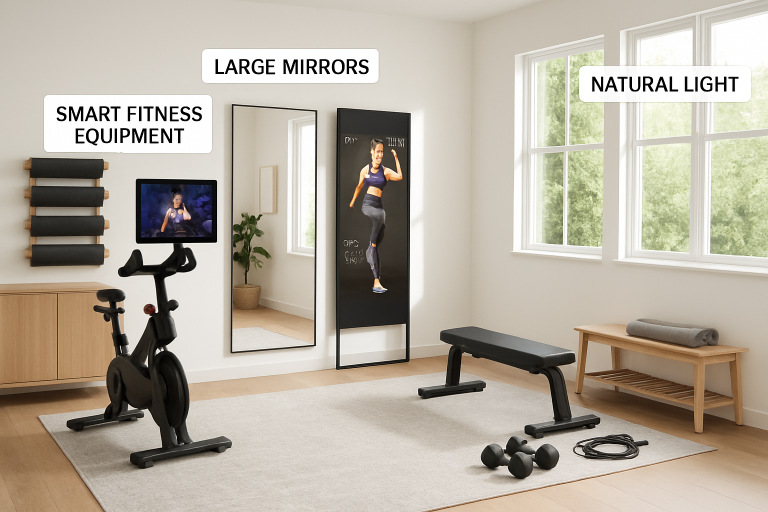
Modern home gyms are being redefined by innovative technology. With AI-powered machines that automatically track your reps and adjust resistance, your workout evolves in tandem with your progress. Devices like AI-assisted strength trainers not only create highly personalized routines but also provide real-time feedback and video coaching, ensuring efficient technique and preventing injuries. Additionally, smart mirrors and wall-mounted touchscreens offer live and on-demand classes, turning any home gym into a virtual studio.
Integration with wearable tech, Bluetooth speakers, and app-controlled thermostats further enhances convenience, enabling fitness routines that fit seamlessly into daily life. Leading fitness equipment brands constantly refine these technologies, which have been profiled in depth by prominent publications such as WIRED. Keeping up with these advancements is key for those seeking a future-proof gym.
Designing Flexible Spaces
Modern home gym design should emphasize adaptability. By using movable walls, sliding doors, and convertible pieces—such as ottomans that double as storage for weights—homeowners can accommodate evolving routines or transition the space for relaxation and other uses as needed. Open floor plans increase workout flexibility and foster a more motivating, uncluttered environment. Trampolines, yoga hammocks, and rowing machines are just a few examples of the functional diversity that can transform an ordinary room.
Maximizing ceiling height and strategically placing windows improves air circulation and the natural ambiance, while allowing you to experiment with workouts that require more vertical space. Exploring multipurpose room layouts is recommended by industry leaders, including guides available on Houzz, which offer inspiration for both small and expansive homes.
Utilizing Multi-Functional Equipment
Multi-functional gym equipment is essential for optimizing valuable home space while ensuring comprehensive fitness options. Homeowners benefit from machines that combine cable systems, free weights, and resistance bands, eliminating the need for excessive, single-use equipment. Foldable benches, wall racks, and compact treadmills make storage simple and keep the area tidy, which is crucial for small apartments or multi-use rooms.
Investing in equipment that offers multiple exercise configurations, such as adjustable dumbbells or pulley-based stations, leverages efficiency and expands your available workout options. By focusing on versatile fitness solutions, your home gym remains a practical investment, regardless of your progression or changing goals.
Emphasizing Aesthetics
Appearance matters in motivating regular exercise. Incorporate resilient, slip-resistant flooring and install bright yet calming lighting to foster both safety and inspiration. Well-placed mirrors help you monitor form and create a more open atmosphere, while colorful mats and wall art reflect your personality and keep energy levels high. Thoughtful design can turn a utilitarian space into a true wellness sanctuary, making it more likely you’ll use it consistently.
For expert design tips, consider major renovations spotlighted by Architectural Digest, which profiles home gym transformations that highlight the impact of quality materials and imaginative décor.
Considering Eco-Friendly Materials
Sustainability is becoming a top priority in home improvements, and gyms are no exception. Choose recycled rubber flooring, low-VOC finishes, and salvaged wood to minimize environmental impact. Additionally, utilize energy-efficient LED lighting and motion sensors to reduce power consumption. Well-placed ventilation and natural light improve air quality, supporting healthier workouts.
Eco-conscious design is not just about materials—it’s also about layout. Locating your gym in a space with ample daylight and optimizing insulation can minimize heating and cooling needs, promoting comfort and sustainability for years to come.
Incorporating Outdoor Elements
Blending indoor and outdoor elements can rejuvenate a home gym, making workouts more enjoyable and refreshing. Adding greenery, incorporating natural fibers into décor, and installing large operable windows or skylights can enhance mood and mental well-being during training. Some homeowners even extend their fitness space to patios or decks, using bi-fold or sliding doors to connect seamlessly with nature.
Personalizing the Space
Your home gym should express your unique style and fitness ambitions. Display inspiring artwork, choose a color palette aligned with your energy goals, and select equipment that makes you excited to move. Personalized accessories—from motivational quotes to a playlist-friendly sound system—add comfort and individuality, transforming the space into a destination you’ll return to every day.
Conclusion
The artful blend of technology, flexibility, efficient equipment, aesthetic appeal, and sustainable choices characterizes an innovative home gym. Through expert planning and design, your home gym can evolve into a personal retreat that elevates both health and lifestyle. By working alongside professionals and integrating leading trends, you can create a fitness environment that is both inspiring and enduring, supporting your wellbeing for years to come.