
Key Takeaways
- Vacuum sealing prolongs freshness up to five times longer than conventional storage methods.
- Recent innovations include portable devices and reusable bags, blending ease and eco-consciousness.
- Correct vacuum sealer use helps reduce food waste while offering long-term savings.
Table of Contents
- Understanding Vacuum Sealing
- Latest Innovations in Vacuum Sealers
- Benefits of Using Vacuum Sealers
- Choosing the Right Vacuum Sealer
- Tips for Effective Vacuum Sealing
- Common Mistakes to Avoid
- Maintaining Your Vacuum Sealer
- Conclusion
Vacuum sealers and the specialized vacuum sealer bags designed for them are changing the landscape of home kitchens and food businesses alike. By dramatically extending the freshness of ingredients and leftovers, these tools help households stretch their grocery budgets, minimize waste, and enjoy more flavorful meals over time. Storing food with a quality vacuum sealer ensures meats, vegetables, and pantry staples stay fresh much longer than usual, maintaining their nutritional value and taste.
Vacuum sealing is not just a trend but a substantial improvement for anyone looking to upgrade food preservation methods. As technology evolves, new options have emerged to suit every need – from simple handheld models to advanced countertop units and eco-friendly reusable bags. These modern systems safeguard your food, helping create a less wasteful, more sustainable kitchen environment. The efficiency, reliability, and convenience they provide are unmatched by traditional storage solutions.
Versatile vacuum-sealing systems are compatible with a wide range of foods and applications, including sous vide cooking and safe freezer storage. Embracing this technology not only safeguards your grocery investment but also reduces environmental impact by reducing food spoilage and plastic waste. These notable advancements are helping households and foodservice businesses meet modern expectations for convenience and sustainability.
Understanding Vacuum Sealing
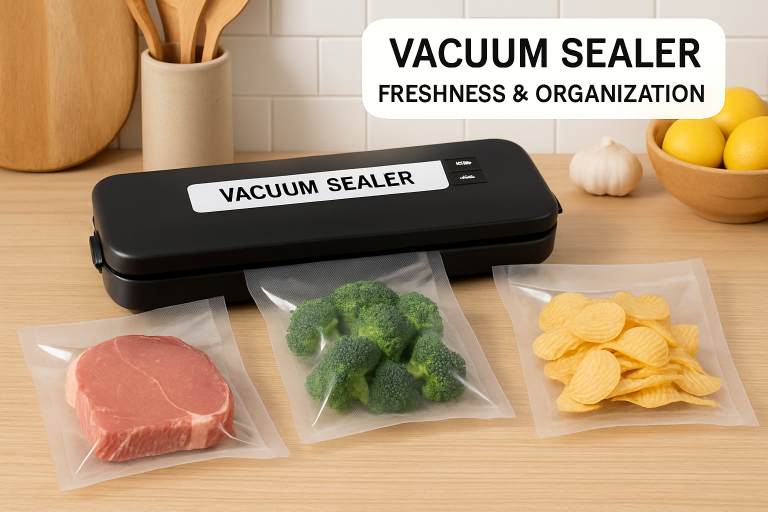
Vacuum sealing works by extracting air from packaging and then sealing it tightly, which helps prevent the oxidation and moisture loss that cause spoilage. This process hinders the growth of bacteria and fungi, which rely on oxygen and humidity to thrive, making vacuum sealing especially beneficial for perishable food items. As a result, everything from steaks and vegetables to grains and snacks retains optimal freshness, texture, and flavor for far longer than under standard food storage conditions.
Latest Innovations in Vacuum Sealers
The vacuum sealer market has advanced significantly in recent years, offering consumers intuitive, eco-friendly options. Compact handheld units, for example, appeal to apartment-dwellers or anyone short on counter space. These gadgets now deliver the same power as traditional units in a much smaller footprint, making them easy to store and convenient to use for portioning snacks or prepping travel meals.
Reusable vacuum zipper bags are another breakthrough, offering an effective alternative to single-use bags. Made from BPA-free materials, these bags are safe for sous vide, microwaving, and freezing, aligning perfectly with sustainability goals. Some even feature strong double zippers to prevent leaks and extend the bag’s lifespan, reducing overall kitchen plastic waste.
Many modern vacuum sealers also feature marinating settings, separate wet and dry modes, and compatibility with various bag sizes, catering to a wide range of cooking styles and family needs. These advancements are moving vacuum sealing toward a more sustainable future, while making daily kitchen routines more efficient. You can read more about the environmental benefits of food technology in this National Geographic resource.
Benefits of Using Vacuum Sealers
- Extended Shelf Life: Vacuum-sealed food lasts significantly longer, slowing spoilage and preserving flavors.
- Reduced Food Waste: Freshness extension directly reduces food waste, helping households and restaurants lower their environmental footprint.
- Cost Savings: By preventing spoilage and freezer burn, vacuum sealing reduces overall grocery costs and allows for more strategic bulk buying.
- Space Efficiency: Vacuum-sealed packages flatten and compact items, maximizing the usable storage space in your refrigerator, freezer, or pantry.
Choosing the Right Vacuum Sealer
To get the most from this technology, it is essential to select a vacuum sealer tailored to your kitchen habits and available space. Here is what to keep in mind:
- Type: Handheld models are best for small households or culinary travelers, whereas countertop models are best for heavy use and bulk storage. Commercial-grade options are available for avid meal preppers or for those who frequently preserve food.
- Features: Seek out models that include wet and dry sealing options, adjustable seal times, and compatibility with both rolls and pre-made bags. The ability to quickly marinate or handle liquids is a significant bonus.
- Budget: Vacuum sealers range from budget-friendly options under $50 to high-end professional systems. Decide which features are most important to you to find the right balance of performance and price.
For more guidance, Consumer Reports offers up-to-date comparisons of various vacuum-sealing products.
Tips for Effective Vacuum Sealing
- Always clean and dry the sealing area of bags before sealing to ensure a tight closure.
- Leave a few inches of headspace at the top of each bag, as this makes the sealing process easier and more reliable.
- Only use bags specifically designed for vacuum sealing, as they are engineered to prevent leaks and withstand freezing and boiling temperatures.
Common Mistakes to Avoid
- Overfilling Bags: Putting too much food in each bag can lead to poor seals and a loss of vacuum pressure, causing food to spoil.
- Sealing Wet Foods Without Precautions: If you are sealing moisture-heavy foods, pre-freeze them for an hour or two to prevent liquids from being sucked into the machine, which can affect the seal and damage the vacuum mechanism.
- Using Incompatible Bags: Regular zipper bags are not suitable for vacuum sealing because of their materials and seal designs. Choose purpose-made vacuum bags for the best results.
Maintaining Your Vacuum Sealer
- After each use, wipe down the sealing bar and the surrounding areas to remove any food residue that may affect performance.
- Inspect the sealing gaskets and replace them if they become cracked or lose flexibility, which can compromise the airtight seal.
- Store the machine in a clean, dry location, away from moisture and extreme temperatures to preserve its longevity and safety.
Conclusion
Vacuum sealing is a proven solution for modern food storage, making it easier to save money, waste less, and enjoy fresher ingredients at home. As technology advances, integrating vacuum sealers and reusable bags into your kitchen becomes more practical, sustainable, and convenient. With the latest innovations now widely available, anyone can take advantage of this transformative approach and help shape a smarter, more resourceful kitchen.