When Your AC Cries for Help: Recognizing the Telltale Signs
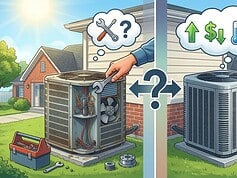
Understanding when your air conditioner is nearing the end of its life or simply needs a repair is crucial for maintaining home comfort and managing expenses. Ignoring the warning signs can lead to unexpected breakdowns, higher energy bills, and discomfort. We’ve identified several key indicators that suggest it might be time to consider an air conditioner replacement.

Your Unit’s Age and Repair History
One of the most straightforward indicators that your AC unit might need replacement is its age. Most modern air conditioning units are designed to last between 15 to 20 years. If your system is approaching or has exceeded this lifespan, its efficiency and reliability are likely to decline significantly. An older unit, even if still technically functional, may not be performing at its peak.
Beyond age, the frequency and cost of repairs offer critical clues. If you find yourself calling for service multiple times a season, or if individual repairs are becoming increasingly expensive, it’s a strong signal that replacement is on the horizon. For instance, while replacing a capacitor might be a relatively inexpensive fix, ranging from $100 to $500, a major component like a compressor can cost between $750 to $2,000 to repair. When these repair costs start to accumulate or approach a significant percentage of a new unit’s price, the investment in a new system often makes more financial sense.
Common problems that often lead to replacement include:
- Frequent breakdowns: If your AC needs constant attention, it’s a money pit.
- Major component failure: A failed compressor, the heart of your AC, is often a sign it’s time for a new unit.
- Refrigerant leaks: Persistent leaks, especially in older units using phased-out refrigerants, can be costly and environmentally concerning.
Performance and Comfort Clues
Your AC unit’s primary job is to keep your home cool and comfortable. If it’s failing at this task, it’s a clear sign of trouble.
- Ineffective cooling: If your home isn’t getting as cool as it used to, or if certain rooms remain stubbornly warm, your AC might be losing its cooling capacity.
- Poor airflow: Weak airflow from your vents can indicate issues with the blower motor, ductwork, or even a clogged filter, but it can also be a symptom of a unit struggling to perform.
- Inconsistent temperatures: Hot and cold spots throughout your home suggest your system isn’t distributing air evenly or cooling efficiently.
- High indoor humidity: An AC unit should also help dehumidify your home. If your house feels clammy or humid, even when the AC is running, it’s not working correctly.
- Strange noises: While some operational sounds are normal, new or unusual noises like grinding, squealing, banging, or persistent rattling are red flags. These can indicate worn-out parts, a failing motor, or other serious mechanical issues.
- Unpleasant odors: Musty smells could point to mold or mildew in the ductwork or evaporator coil, while a burning odor might signal an electrical problem.
- Increased dust and allergens: If your home seems dustier than usual, or if allergy symptoms worsen, your AC’s filtration and circulation might be compromised.
When considering these signs, early detection can help you plan your next steps. For comprehensive advice and solutions regarding your home’s cooling needs, consulting local HVAC professionals can provide clarity and expert recommendations.
The Big Decision: A Guide to St. Louis AC Replacement vs. Repair
Deciding whether to repair your existing air conditioner or invest in a new one can feel overwhelming. It involves weighing immediate costs against long-term savings, comfort, and reliability. This section will help you steer this critical decision, especially for homeowners in the St. Louis area.
Factor Repair Replace Upfront Cost Lower (for minor repairs) Higher Long-Term Cost Potentially higher (frequent repairs, energy bills) Lower (fewer repairs, energy savings) System Age Ideal for newer units (under 10 years) Ideal for older units (over 10-15 years) Energy Efficiency Remains the same (older technology) Significantly improved (newer technology, higher SEER) Home Comfort May remain inconsistent Improved (consistent cooling, better humidity control) Calculating the Cost: When Repairs No Longer Make Sense
The “repair or replace” dilemma often boils down to economics. While a repair might seem like the cheaper option in the short term, consider the bigger picture.
A good rule of thumb is the “50% rule”: if the cost of a repair is 50% or more of the cost of a new unit, replacement is generally the more economical choice. For example, if your air conditioner is over 10-15 years old and needs a major repair like a compressor replacement, which can cost between $750 to $2,000, it’s worth comparing that expense to the average cost of a new high-efficiency air conditioner, which typically ranges from $3,995 to $6,000, including installation and a warranty of at least one year.
Consider these factors when evaluating repair quotes:
- Major component failure: As mentioned, a compressor or evaporator coil replacement is a significant investment.
- Refrigerant type: If your older unit uses R-22 refrigerant, which is being phased out, repairs can be more expensive due to limited supply and environmental regulations.
- Frequency of repairs: If you’ve already spent a significant amount on repairs over the past few years, continuing to pour money into an old system is often a losing battle.
- Inspection costs: An initial inspection from an HVAC contractor can cost between $150 to $500. This initial outlay helps diagnose the problem and determine the repair cost. The average cost of HVAC repairs is around $350, but can range from $100 to $2,000 or more depending on the issue.
The goal is to avoid throwing good money after bad. If repairs are frequent and costly, a new system offers a fresh start with predictable performance and lower operating costs.
The Age Factor in Your St. Louis AC Replacement Decision
As discussed, an air conditioner’s age plays a pivotal role in the repair vs. replace decision. Most AC units over 10-15 years old may struggle to cool effectively and consume more energy. This isn’t just about wear and tear; it’s also about technological advancements.
Older units often have lower Seasonal Energy Efficiency Ratio (SEER) ratings compared to today’s models. This means they convert less electricity into cooling power, leading to higher energy bills. Furthermore, older systems might use refrigerants that are less environmentally friendly and becoming harder to find.
When your AC unit is over a decade old, its declining efficiency and potential for costly breakdowns make it a prime candidate for replacement. While a newer unit represents a larger upfront investment, the long-term savings on energy bills and reduced repair frequency can quickly offset the initial cost. For homeowners in the St. Louis area, upgrading to a new system means not only improved comfort but also a more reliable and cost-effective solution for years to come. For expert guidance on assessing your current system and exploring replacement options, consult experienced AC replacement specialists.
The Lasting Value of a High-Efficiency Air Conditioner
Upgrading to a new, high-efficiency air conditioner offers a multitude of benefits that extend far beyond simply cooling your home. It’s an investment in your comfort, your finances, and your property’s future.

Slashing Energy Bills and Boosting Comfort
One of the most compelling reasons to upgrade is the significant reduction in energy consumption. New high-efficiency models boast higher SEER ratings, meaning they are much more efficient at converting electricity into cooling power. Upgrading to a new high-efficiency air conditioner can save you up to 36% on your annual cooling bill. This translates to substantial savings over the lifespan of the unit, effectively paying for a portion of the initial investment.
Beyond the financial savings, a new system dramatically improves home comfort:
- Consistent cooling: Modern systems provide more even temperature distribution throughout your home, eliminating hot and cold spots.
- Quieter operation: Advanced fan designs and insulation make newer units significantly quieter than their older counterparts.
- Better dehumidification: High-efficiency units are often better at removing excess humidity from the air, making your home feel cooler and more comfortable at higher thermostat settings.
- Advanced thermostat compatibility: New systems integrate seamlessly with smart thermostats, allowing for precise temperature control, remote access, and energy usage tracking.
Enhancing Indoor Air Quality and Home Value
The benefits of a new AC system also extend to your indoor environment and property value.
- Superior filtration: Many new units can accommodate advanced air filters that capture more dust, pollen, pet dander, and other allergens, leading to cleaner, healthier indoor air.
- Reduced humidity: By effectively controlling humidity, new systems can also help deter the growth of mold and mildew, further improving air quality and protecting your home’s structure.
- Fewer allergens: With improved filtration and humidity control, you and your family may experience fewer allergy and asthma symptoms.
- Modern appliance appeal: A new, energy-efficient HVAC system is a significant selling point for potential homebuyers, increasing your home’s overall market value. It signals to buyers that the home is well-maintained and comes with lower operating costs.
Investing in a high-efficiency air conditioner is a smart decision for any homeowner looking to improve their living environment, save money, and add lasting value to their property. Trusted home service providers can offer guidance on modern systems and help you choose the best fit for your needs.
Navigating the Air Conditioner Replacement Process
Once you’ve decided that an air conditioner replacement is the right step for your home, understanding the process can help ensure a smooth and successful installation. From initial assessment to final setup, each stage is crucial for optimal performance and longevity.
Choosing the Right Type and Size of Air Conditioner
Selecting the correct type and size of air conditioner is paramount. An improperly sized unit, whether too large or too small, will operate inefficiently, lead to discomfort, and potentially shorten its lifespan.
- Central Air Conditioners: These are the most common type, using a network of ducts to distribute cooled air throughout your entire home. They are ideal for homes with existing ductwork.
- Ductless Mini-Splits: Perfect for homes without ductwork, room additions, or for zoning specific areas, mini-splits offer flexible, efficient cooling (and often heating) for individual rooms or zones.
- Heat Pumps: These versatile systems can both heat and cool your home, making them an excellent all-in-one solution for many climates.
To determine the precise size needed, a qualified HVAC contractor will perform a “Manual J load calculation.” This detailed assessment considers various factors unique to your home, including:
- Square footage
- Ceiling height
- Insulation levels
- Window and door types and numbers
- Local climate
- Number of occupants and heat-generating appliances
An oversized unit will cycle on and off too frequently (short-cycling), leading to uneven cooling, poor dehumidification, and increased wear and tear. An undersized unit will run constantly, struggling to reach desired temperatures and driving up energy bills. Proper sizing ensures maximum efficiency, comfort, and system longevity.
Finding a Qualified Contractor for Your St. Louis AC Replacement
The success of your AC replacement hinges significantly on the expertise of your HVAC contractor. For homeowners in the St. Louis area, choosing a reputable and skilled professional is essential. Here’s what to look for:
- Licensed and insured: Verify that the contractor holds all necessary state and local licenses and is fully insured. This protects you from liability in case of accidents or property damage during installation.
- NATE-certified technicians: North American Technician Excellence (NATE) certification indicates that technicians have undergone rigorous training and testing, demonstrating a high level of competency in HVAC systems.
- Positive local reviews and reputation: Check online reviews, testimonials, and ask for local references. A contractor with a strong positive reputation in the community is a good sign.
- Experience with quality brands: Ensure they have experience installing and servicing the types of units you are considering, especially reputable brands like American Standard systems. A good contractor will be transparent about the brands they work with and why.
- Clear communication and detailed quotes: A professional contractor will provide a comprehensive, written quote that outlines all costs, equipment specifics, warranty information, and the scope of work. They should also be able to clearly answer all your questions.
When seeking a new AC installation, we understand the importance of trust and reliability. As one satisfied customer shared, “We have used AAA Home Services for over 20 years and have been pleased with the many different repairs they have done for us. This time will be major a Furnace and Air Conditioner Replacement…They gave us a fair price on a package deal. We signed up and they will do replacements next week. They are a reliable company. We trust them and that is important. Thank You! AAA Heating & Cooling Customer.” This sentiment underscores the value of a long-standing relationship with a provider of Trusted St. Louis AC replacement.
The Best Time of Year for an AC Installation
Timing your AC replacement can offer several advantages. The best time to replace your HVAC system is when customer demand is low, typically in the early spring or fall.
- Off-season benefits: During these shoulder seasons, HVAC contractors are less busy with emergency repairs, allowing for more flexible scheduling and potentially quicker installation times.
- Contractor availability: You’ll have a wider choice of appointment slots and can take your time to gather multiple quotes and make an informed decision without feeling rushed.
- Potential for deals: Some contractors and manufacturers may offer special promotions or discounts during the off-peak seasons to attract business.
- Avoiding peak summer demand: Replacing your AC in the middle of a heatwave can be stressful, expensive (due to emergency service rates), and uncomfortable if you have to go without cooling for an extended period.
Planning your replacement during these less demanding times can save you money, reduce stress, and ensure your new system is ready to perform optimally before extreme temperatures arrive.
Life After Installation: Post-Replacement Care and Maintenance
Installing a new air conditioner is a significant investment, and protecting that investment requires ongoing care. Proper maintenance ensures your system operates efficiently, lasts its full lifespan, and continues to provide reliable comfort.
The Importance of Regular Professional Maintenance
Even the most advanced new AC unit benefits from routine professional maintenance. We recommend scheduling annual tune-ups, ideally in the spring before the cooling season begins. These comprehensive service calls typically include:
- Efficiency checks: Technicians will inspect refrigerant levels, electrical connections, and thermostat calibration to ensure your system is running at peak efficiency.
- Cleaning coils: Dirty evaporator and condenser coils can significantly reduce efficiency. Professionals will clean these components to ensure optimal heat transfer.
- Ensuring proper operation: All moving parts, including the fan motor and blower, will be inspected and lubricated as needed.
- Ductwork inspection: Checking for leaks or blockages in your ductwork can prevent cooled air from escaping and ensure even distribution.
- Drainage system check: Clearing condensate drains prevents water backups that can lead to leaks and mold growth.
Regular professional maintenance not only keeps your energy bills low but also helps identify minor issues before they escalate into costly repairs, extending the overall lifespan of your unit. As one customer noted, “Austin feels like a friend at this point. He’s always the one that comes for my HVAC checks and he’s always friendly and informative. Great service. AAA Heating & Cooling Customer.” This highlights the value of consistent, friendly, and knowledgeable service in maintaining your home’s comfort systems.
Beyond professional tune-ups, homeowners should regularly change or clean their air filters, typically every 1 to 3 months, depending on usage and household conditions (e.g., pets, allergies). A clean filter ensures good airflow and prevents dust and debris from accumulating on internal components.
Understanding Your New System’s Warranty
Your new air conditioner comes with a manufacturer’s warranty, which is a crucial aspect of your investment. It typically covers parts for a certain period, and some may also offer a unit replacement limited warranty or a labor warranty.
- Manufacturer warranty: This covers defects in parts for a specified number of years. To ensure your warranty remains valid, it’s often required to register your new unit with the manufacturer within a certain timeframe (e.g., 60 days of installation). Keep all documentation related to your purchase and installation.
- Labor warranty: Your HVAC contractor may also provide a separate labor warranty, covering the cost of repairs related to installation issues for a specific period.
- Registration requirements: Be diligent about registering your unit. Failure to do so might limit your warranty coverage to a basic period instead of the full extended term.
Understanding the terms and conditions of your warranty provides peace of mind, knowing that you’re protected against unexpected costs for a number of years. For any questions regarding your new system’s warranty or to schedule its first professional tune-up, reaching out to your St. Louis AC experts is always recommended.
Conclusion
Making the decision to repair or replace your air conditioner is a significant one, impacting your home’s comfort, your energy bills, and your overall peace of mind. By carefully evaluating the age and repair history of your current unit, assessing its performance, and understanding the long-term financial implications, you can make an informed choice that best suits your needs.
Upgrading to a new, high-efficiency air conditioner offers numerous benefits, from substantial energy savings and improved indoor air quality to improved home comfort and increased property value. The process, while involving several steps, is made easier with the help of a qualified and reputable HVAC contractor who can guide you through system selection, proper sizing, and professional installation. Remember to prioritize regular maintenance and understand your new system’s warranty to ensure its longevity and continued optimal performance.
Don’t let a struggling AC unit lead to regret. Take proactive steps to assess your system, consult with trusted professionals, and invest in a solution that will keep your home cool and comfortable for years to come. For those ready to explore their options for a new, efficient cooling system, consider connecting with a reliable provider for new air conditioner installation.