Key Takeaways
- Asbestos was widely used in home construction before the 1980s for its durability and fire resistance.
- Disturbing asbestos-containing materials during renovations can release hazardous fibers, posing serious health risks.
- Certified testing and professional abatement are crucial for safe renovations in older homes.
- Following legal and safety protocols minimizes exposure and ensures a healthier renovation process.
Home renovations offer the opportunity to revitalize your living environment, increase property value, and create a personal haven. However, if your house was built before the 1980s, you must approach these projects with caution due to the potential risk of asbestos exposure. Asbestos, once considered an innovative building material, can pose a severe health hazard if disturbed during remodeling. To protect yourself and your loved ones, understanding safe practices and the importance of a reputable asbestos removal service is critical before tearing down walls or replacing old ceilings.
When asbestos-containing materials are disturbed, microscopic fibers can become airborne and linger in your home, putting the health of everyone in your household at risk. These invisible threats can lead to lifelong health complications, underscoring the importance of assessing and managing potential asbestos issues before starting any residential upgrades. Professional guidance and adherence to regulations are essential for ensuring safety during renovations involving suspected asbestos materials.
Understanding Asbestos in Homes
Asbestos is a group of naturally occurring minerals renowned for their heat resistance, strength, and insulating properties. Before health risks were widely known, asbestos was incorporated into building materials such as insulation, pipe wrappings, textured paints, roofing shingles, vinyl floor tiles, and cement products. The U.S. Centers for Disease Control and Prevention (CDC) reports that asbestos use has sharply declined since the hazards became public knowledge in the late 20th century. Yet, countless homes built before the 1980s may still harbor hidden asbestos-containing materials (ACMs), making it imperative to exercise vigilance with any demolition or renovation work. Most asbestos materials are not immediately dangerous if left undisturbed, but even minor renovations—like drilling or sanding—can release hazardous fibers. This invisible risk is why a careful assessment by qualified professionals and strict safety protocols are non-negotiable during any home improvements in older residences.
Health Risks Associated with Asbestos Exposure
Inhaling airborne asbestos fibers is linked to severe illnesses that often take decades to develop. The most common diseases caused by long-term asbestos exposure include mesothelioma (a rare cancer of the chest and abdominal linings), asbestosis (a chronic lung disease), and lung cancer. According to the World Health Organization, no level of asbestos exposure is considered safe, emphasizing the critical nature of professional handling and proper abatement.
Identifying Potential Asbestos-Containing Materials in Your Home
To protect your family and renovation crew, identify materials most likely to contain asbestos before you begin work. Frequent ACMs found in homes built before the 1980s include:
- Pipes and boiler insulation (particularly with a white, crumbly “lagging”)
- Vinyl floor tiles, adhesives, and linoleum backing
- Roof shingles and siding panels
- Textured ceiling coatings (like “popcorn” ceilings)
- Older wall plasters, compounds, and fireproofing sprays
Engaging a licensed asbestos inspector is the only way to confirm the presence of asbestos, as even experienced DIYers or contractors can miss hidden sources.
Steps to Safely Manage Asbestos During Renovations
- Hire a Licensed Asbestos Inspector: Begin your renovation journey by bringing in a state-certified professional to conduct a comprehensive survey of your home. Only laboratory analysis of material samples can confirm the presence of asbestos.
- Develop an Abatement Plan: If asbestos is found, consult with certified contractors to establish a safe plan for removal or encapsulation. This strategy must comply with federal, state, and local guidelines, protecting both occupants and workers by minimizing dust and airborne fibers.
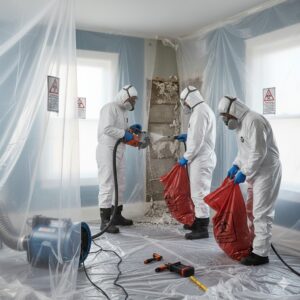
- Use Proper Safety Equipment: Anyone working near ACMs must wear disposable coveralls, gloves, and an approved respirator. Even minor disturbances can pose dangers if proper protection isn’t used.
- Seal Off Work Areas: Work spaces should be isolated from other parts of the home with plastic sheeting and negative air pressure. This prevents contamination beyond the renovation site, keeping living areas safe from stray fibers.
- Proper Disposal: Asbestos-containing waste is hazardous and must be handled in sealed, labeled containers and transported to approved disposal sites in accordance with strict regulations.
Legal Requirements and Regulations
Legal requirements for asbestos management can vary dramatically by location. Most states mandate an asbestos survey before renovation or demolition and require notification to relevant agencies before any abatement work. Some jurisdictions impose strict penalties for non-compliance, underscoring the importance of checking state and local rules before you start. The Environmental Protection Agency (EPA) provides a comprehensive guide for homeowners seeking information on asbestos regulations and best practices.
When to Seek Professional Help
While repairs to undisturbed ACMs may seem manageable for experienced DIYers, professional intervention is vital for any removal or encapsulation efforts. Certified asbestos abatement contractors are trained to follow stringent safety standards, use specialized equipment, and carry the necessary liability insurance, vastly reducing exposure risks compared to unlicensed work. Entrust even small-scale renovations to experts for peace of mind and long-term health protection.
Conclusion
Enhancing your home should not come at the expense of your family’s health. By learning to recognize asbestos risks, securing expert guidance, and strictly following safety and legal protocols, you create a safer renovation environment for everyone involved. Careful planning and a trusted asbestos removal service ensure your home transformation is both beautiful and secure for years to come.