
Key Takeaways
- Timely and transparent communication fosters trust and enhances tenant satisfaction.
- Digital tools and systems streamline interactions, enhancing overall responsiveness.
- Proactive feedback loops empower property managers to resolve concerns before they escalate.
Effective communication is essential to successful property management, yet property managers often underestimate its impact on tenant satisfaction and retention. When communication falters, it can set the stage for misunderstandings, resident frustration, and ultimately, higher turnover rates. By recognizing and proactively addressing your biggest communication pitfalls, you can build trust, foster loyalty, and set your properties apart. Discover how property management in Ardmore, PA, and beyond can benefit from modern communication strategies that prioritize transparency, responsiveness, and clarity.
Today’s tenants seek quick and transparent interactions, influencing their perception of management and renewal intentions. Effective property management transcends merely addressing issues; it emphasizes proactive measures and strong communication strategies—fostering tenant relationships through responsiveness, empathy, and consistent updates. As technology evolves, property managers must adopt digital tools, such as mobile apps and online portals, to enhance tenant engagement and prevent communication failures, ultimately improving tenant retention and satisfaction.
Delayed Response Times
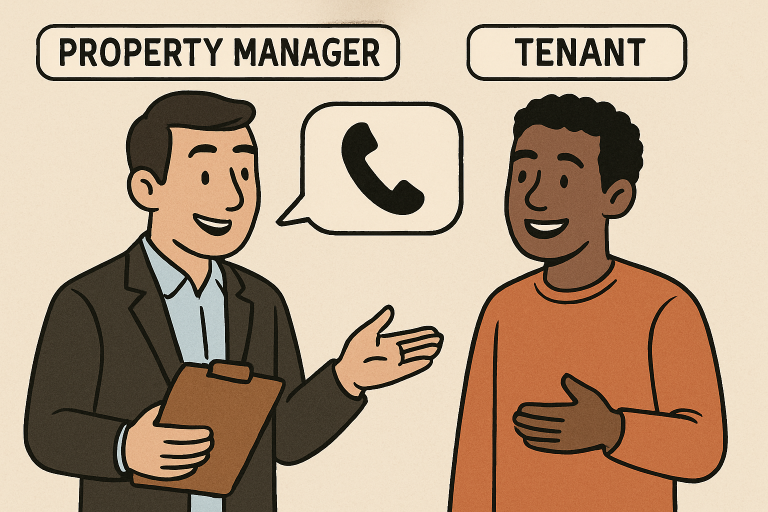
Promptness matters. Tenants who wait days—or even hours—without a reply to a vital inquiry or maintenance request may feel ignored or undervalued. When delayed responses become a pattern, dissatisfaction rises, and tenants are more likely to move at the end of their lease. Set clear expectations regarding response windows, such as replying to non-emergency messages within 24 hours. Consider implementing property management software that enables tenants to track the status of their requests in real-time, which significantly enhances perceived reliability and service quality.
Lack of Transparency
Keeping tenants in the dark about changes in policies, rent adjustments, or upcoming maintenance builds frustrations and erodes trust. Proactive, transparent communication helps tenants feel secure and respected, particularly during transitions or community-wide changes. Distribute regular newsletters, send email alerts, or provide a dedicated tenant portal where updates are posted regularly. This consistent openness helps avoid misunderstandings or disputes and reassures residents that their interests are top of mind.
Ineffective Maintenance Communication
Maintenance issues are inevitable in rental properties, but what often distinguishes good managers from great ones is their ability to communicate effectively about repairs. Tenants should know precisely how to report maintenance needs, receive confirmation once an issue has been logged, and get timely follow-ups on repair progress. Standardized request forms, automated confirmations, and scheduled updates minimize confusion and reassure tenants that their living conditions are a priority.
Overuse of Complex Language
Legal jargon, technical terms, or convoluted explanations can leave tenants confused about essential matters from lease terms to repair processes. Clear, straightforward communication—tailored to a general audience—eliminates barriers and reduces the risk of misinterpretation. Keep documentation and correspondence as concise and accessible as possible to ensure residents understand their options and obligations at all times.
Ignoring Resident Feedback
Feedback fuels improvement. Property managers who overlook or dismiss tenant input leave recurring issues unresolved and give residents the impression that their opinions don’t matter. Create simple channels for tenants to voice concerns, such as online surveys or suggestion boxes. Regularly review and address feedback with visible action whenever possible. This two-way communication shows that management values tenant experiences and is committed to continuous improvement.
Overlooking the Importance of Marketing
In a competitive market, attracting and retaining quality tenants relies heavily on effective marketing. Poor online listings, outdated photos, or vague descriptions leave units sitting vacant. Invest in high-quality, accurate, and detailed online listings that incorporate virtual tour options where possible, and leverage local listings and social media platforms to maximize exposure. Modern prospects expect to view properties online before committing to a showing, so appealing visuals and transparent information are non-negotiable.
Not Keeping Up with Market Trends
Rental markets evolve, and tenants’ expectations shift with them. Managers who fail to stay informed about current trends—such as in-demand amenities, technology integration, or rent pricing—risk making their properties less appealing and falling behind their competitors. Regular research into local and national real estate trends, continuous professional development, and a willingness to adapt are essential to remaining competitive and responsive to market shifts.
Conclusion
Tenant communication is at the heart of successful property management. By addressing key pitfalls—such as slow responses, poor transparency, and ignoring feedback—property managers can deliver superior service, foster tenant loyalty, and improve operational efficiency. Embracing digital solutions, listening proactively, and adapting to ongoing market changes not only benefits tenants but also drives business growth in a rapidly evolving industry.