
Key Takeaways
- Electrical engineering underpins modern infrastructure, powering homes, businesses, and emerging smart cities.
- Smart grids and the integration of renewable energy enhance efficiency, reliability, and sustainability in electricity distribution.
- Building Management Systems (BMS) optimize energy use, improve comfort, and support safety in commercial and residential buildings.
- Workforce development is critical to meeting the growing demand for skilled electrical engineers and to ensuring continued innovation.
- Electrification of transportation requires advanced power infrastructure and collaboration among cities, utilities, and technology providers.
- Grid security, including cybersecurity and physical safeguards, is essential for protecting critical electrical systems.
- Investment in education, diversity, and proactive planning ensures resilient, sustainable, and future-ready energy and infrastructure systems.
Introduction
Across cities, towns, and vast rural landscapes, electrical engineering powers the very foundation of our modern world. From the reliable flow of energy into homes and businesses to innovations that are shaping tomorrow’s smart cities, this field stands at the center of progress. The demand for advanced electrical engineering services has risen sharply as infrastructure evolves to incorporate sophisticated technologies and sustainability initiatives. These contributions go far beyond mere utility, influencing comfort, safety, and operational efficiency in every sector.
Whether illuminating city streets or enabling the latest smart building solutions, electrical engineers bridge innovation and practicality. As our world transforms through new energy sources and digital control systems, specialists in this discipline are required now more than ever. Their expertise drives both subtle improvements and dramatic shifts in how our communities function.
Powering the Future: Smart Grids and Renewable Energy
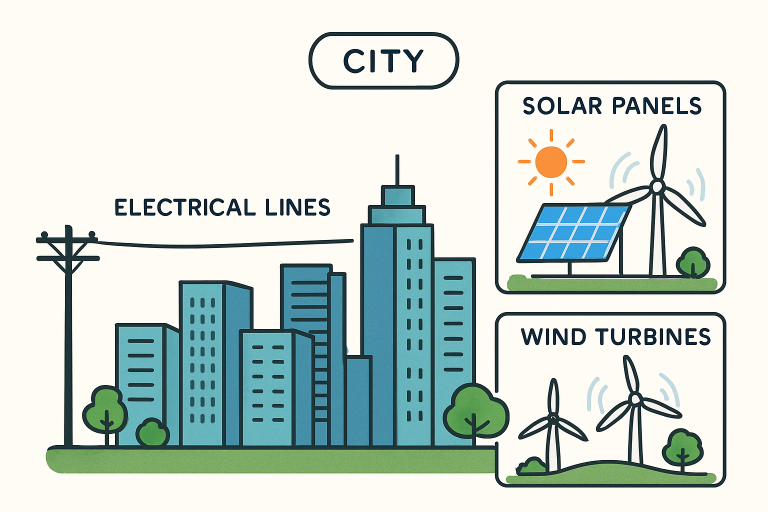
As the world’s appetite for electricity grows, smart grids have emerged as the backbone of resilient energy systems. Unlike traditional power grids, which rely on centralized distribution, smart grids leverage digital technology to manage and monitor electricity flow in real time. These systems instantly detect faults, reroute power, and optimize energy distribution based on live data. The integration of renewable energy sources, such as wind and solar, is a cornerstone of this transformation. Smart grids enable seamless use of clean energy by syncing generation, storage, and demand, reducing our reliance on fossil fuels and making grids more adaptable.
With rising expectations of uninterrupted power, these innovations ensure that homes, businesses, and healthcare facilities remain operational, even during challenging conditions or peak demand. The deployment of intelligent grids worldwide is a critical measure for a cleaner, more sustainable future.
Enhancing Building Efficiency with Automation
The demand for energy efficiency and user comfort has shifted the focus of electrical engineering within the construction and management of buildings. Modern structures use Building Management Systems (BMS) that combine sensors, controllers, and software powered by artificial intelligence. These systems gather and analyze data on lighting, temperature, occupancy, and air quality to optimize energy use and minimize waste. By continuously adjusting HVAC operations and window shading, BMS maintains ideal environmental conditions without unnecessary energy consumption.
The positive impact extends to commercial complexes, educational campuses, and healthcare facilities, where predictable comfort and safety are vital. Integrated safety features such as fire detection and controlled emergency lighting support rapid response and occupant wellness. These advances not only cut operating expenses but also support the pursuit of net-zero energy standards within the built environment.
Addressing the Workforce Challenge
As infrastructure becomes more electrified and interconnected, the need for skilled electrical engineers continues to grow. Recent studies estimate that, globally, between 450,000 and 1.5 million additional engineers will be required in the power sector alone by 2030. This projected shortfall threatens the resilience and advancement of energy systems, potentially slowing modernization and delaying critical projects. Investment in STEM education, vocational training, and workforce retention programs is key to overcoming this barrier.
Industry experts and educational institutions are collaborating to expand pathways for women and underrepresented groups in engineering, fostering a diverse talent pipeline. Ongoing support for hands-on apprenticeships and university-industry partnerships will ensure the sector has the skills necessary to continue driving innovation.
Integrating Electric Transportation Infrastructure
The electrification of transportation marks a pivotal shift away from reliance on fossil fuels. The growing adoption of electric vehicles (EVs) has shifted the priority in urban planning to include dedicated EV charging stations and power delivery networks. Cities are rolling out fast-charging corridors, while new commercial and residential developments must incorporate EV infrastructure requirements into their designs.
Beyond personal vehicles, the trend extends to electrified public transit systems, including buses, trains, and ferries. To support this transition, engineers design flexible power management systems and advanced charging solutions that align with the variable demands of transportation networks. This evolution requires continual collaboration between municipalities, energy providers, and technology firms to ensure reliability, convenience, and scalability.
Ensuring Electrical Grid Security
As society’s growing reliance on uninterrupted electrical service increases, protecting the grid from risks is critical. Modern grids, while efficient, increase potential vulnerabilities due to their interconnectivity and reliance on digital communication networks. Cybersecurity threats and physical attacks both pose risks to national infrastructure. In response, utility providers and federal agencies are jointly strengthening safeguards, developing defensive protocols, and investing in both monitoring and rapid-response capabilities.
These efforts ensure resilience against disruptive events and build public trust in evolving grid technology. Fostering a culture of proactivity is essential; government organizations such as the U.S. Department of Energy are regularly updating guidelines to address ever-changing threats. Public-private sector partnerships remain at the forefront in making the grid safer and more robust.
Final Thoughts
Electrical engineering is vital to the innovation and stability of modern infrastructure systems. Through the development and deployment of smart grids, the automation of building management, the expansion of electric vehicle networks, and robust grid security, engineers shape the safety, sustainability, and efficiency of our communities. Addressing workforce shortages and advancing security measures are necessary steps to uphold the integrity of these critical systems as modern demands evolve. The ongoing commitment to education, collaboration, and proactive planning ensures a resilient and sustainable future for all.