Introduction

We spend a significant portion of our lives within the walls of our homes. Yet, the air we breathe in these personal sanctuaries can sometimes harbor invisible threats. These hidden pollutants, often odorless and colorless, can silently impact our health and comfort. Recognizing their presence is the crucial first step toward creating a healthier living environment.
Poor indoor air quality (IAQ) can manifest in a myriad of ways, ranging from subtle irritations to more pronounced health concerns. Understanding what constitutes healthy indoor air and identifying potential contaminants empowers us to take proactive measures. This comprehensive guide aims to explain DIY air quality test kits, equipping you with the knowledge to assess your home’s air. We will explore the types of kits available, how they function, what pollutants they can detect, and how to interpret their results.
Our goal is to provide you with the insights needed to make informed decisions about your home’s air quality. By unmasking these hidden dangers, we can improve our indoor environment and ensure our homes remain true havens.
Recognizing the Invisible: Signs of Poor Indoor Air Quality
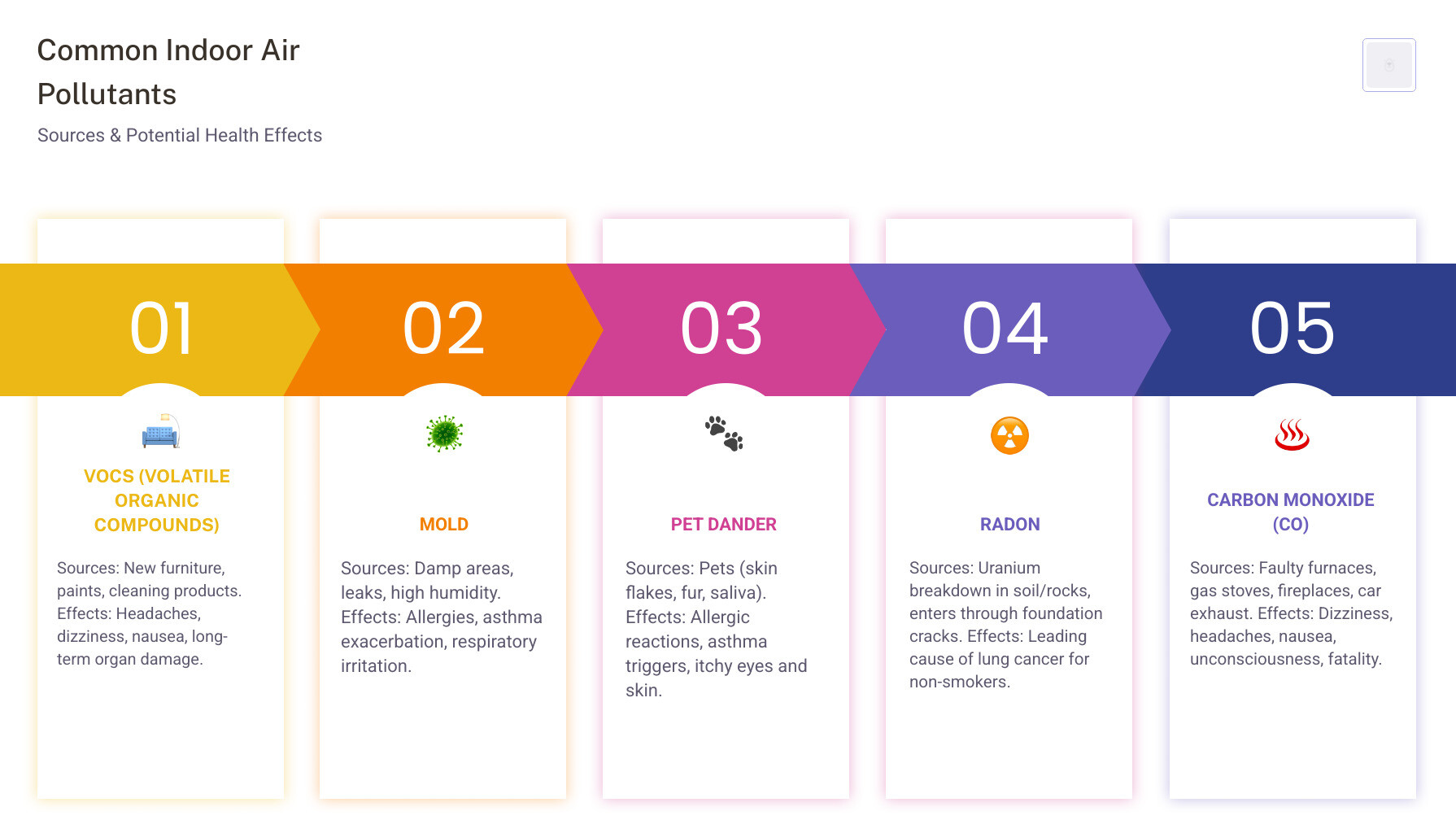
Before diving into testing, it’s helpful to recognize the common indicators that your indoor air quality might be compromised. Our bodies often send signals, and our senses can pick up on environmental cues. If you or members of your household frequently experience any of the following, it might be time to investigate further:

These signs are our body’s way of telling us something isn’t right. By paying attention to them, we can pinpoint potential problems and take action to improve our indoor environment.
Your DIY Toolkit: Types of Air Quality Test Kits
The market offers a variety of DIY air quality test kits, designed to empower homeowners to conduct initial screenings for common indoor pollutants. These kits range from simple, immediate-read devices to more sophisticated options requiring laboratory analysis. Understanding the types available and their typical costs is crucial for choosing the right tool for your needs.
Here’s a breakdown of common DIY test kit types, what they detect, and their general cost ranges:
Mold Detection Kits
Mold is a common indoor allergen and can cause significant health issues. DIY mold kits typically come in a few forms:
Many basic mold kits, like the Mold Armor Do It Yourself Mold Test Kit, offer quick results within 48 hours for visible growth in the petri dish. For a more definitive answer and identification of mold types, sending the sample to a professional lab is often an option, though it incurs an additional fee. Mold testing kits can range from $8-$85.
Volatile Organic Compound (VOC) & Formaldehyde Kits
VOCs are a group of chemicals emitted as gases from certain solids or liquids, including paints, cleaning supplies, new furniture, and building materials. Formaldehyde is a particularly prevalent VOC.
VOC testing kits, which often include lab analysis, can range from $90-$400. These kits are especially useful if you’ve recently renovated, bought new furniture, or notice chemical odors.
Radon and Carbon Monoxide (CO) Monitors
These two gases pose significant, often silent, health risks.
DIY vs. Professional Testing: A Comparative Look
When considering indoor air quality, homeowners often weigh the options between DIY testing and hiring a professional. Both approaches have distinct advantages and disadvantages in terms of cost, convenience, accuracy, and scope.
Advantages of DIY Kits
DIY air quality test kits offer several compelling benefits for homeowners:
When to Consider Professional Help
While DIY kits are valuable tools, there are situations where the expertise and advanced equipment of a professional are indispensable. You should consider reaching out for professional air quality testing if:
A Guide to Using DIY Air Quality Kits
The effectiveness of any DIY air quality test kit largely depends on how accurately it’s used and how its results are interpreted. Factors like user error, calibration (or lack thereof), and environmental conditions can significantly affect the reliability of your findings. It’s crucial to approach DIY testing with diligence and attention to detail.

How to Maximize the Accuracy of DIY Air Quality Kits
To get the most reliable results from your DIY air quality tests, we recommend the following best practices:
Interpreting Results from DIY Air Quality Kits
Interpreting your DIY test results requires a bit of research and a clear understanding of what constitutes safe or liftd levels.
Next Steps After Testing Your Air
Once you’ve conducted your DIY air quality tests and interpreted the results, the next crucial step is to take action. Identifying a problem is only the beginning; improving your indoor air quality requires a combination of source control, improved ventilation, effective air filtration, and diligent humidity management.
Improving Ventilation and Filtration
Ventilation is key to diluting indoor pollutants and bringing in fresh outdoor air. Filtration helps remove particulate matter and other contaminants.
Managing Pollutants and Humidity
Beyond ventilation and filtration, directly addressing pollutant sources and controlling humidity are vital for a healthy indoor environment.
Conclusion
Taking charge of your home’s indoor air quality is a powerful step towards safeguarding your health and well-being. DIY air quality test kits offer an accessible and empowering first step, changing the invisible threats in our homes into actionable information. From identifying common allergens like mold to detecting hazardous gases such as formaldehyde and radon, these kits provide valuable insights that were once the exclusive domain of professionals.
We’ve explored the common signs of poor air quality, detailed the various types of DIY kits available, and compared their capabilities against professional testing. We’ve also provided guidance on maximizing accuracy and interpreting results, ensuring you’re equipped to understand what your tests reveal. Most importantly, we’ve outlined the crucial next steps: implementing practical solutions through improved ventilation, filtration, source control, and humidity management.
While DIY kits are excellent for initial screening and ongoing monitoring, they are part of a larger strategy. When results are concerning, symptoms persist, or you require a comprehensive assessment, don’t hesitate to consult with experts. By combining diligent DIY efforts with professional guidance when needed, you can take control of your indoor environment, ensuring the air you breathe at home is as clean and healthy as possible. Your home should be a sanctuary, and with the right knowledge and tools, you can ensure it truly is.