Key Takeaways
- Consistent HVAC and electrical guidelines lead to better home comfort, longer equipment lifespan, and lower repair costs year-round.
- Preparing systems for seasonal temperature changes minimizes unexpected breakdowns and prevents energy inefficiency.
- Scheduling regular professional inspections is the most effective way to catch issues before they escalate and can also help validate insurance and warranty claims.
Table of Contents
- Spring & Summer Preparations
- Fall & Winter Preparations
- Year-Round Maintenance Tips
- Importance of Professional Inspections
Every season brings unique challenges for homeowners striving for comfort, efficiency, and safety. Temperature fluctuations, increased humidity, and even surprise cold snaps can affect how your home operates and your utility costs. As weather patterns shift, your HVAC and electrical systems become the cornerstone of maintaining a cozy and reliable indoor environment. Thorough, timely preparation not only safeguards your equipment from unnecessary wear and tear but also helps you avoid inconvenient, costly breakdowns during critical weather. Taking small, strategic steps before each season means you’re never caught off guard. To guarantee you are ready for every season, learning how to blend regular maintenance with professional support is vital. Whether you are seeking expert advice or hands-on service, resources like expert family Bonney Lake heat pump solutions can help set your home up for success year-round.
Many homeowners delay system checks until a problem surfaces, but a proactive approach saves money, extends equipment life, and maximizes comfort. Regular tune-ups and periodic assessments help spot minor issues before they turn into significant, expensive repairs. As extreme weather events become more frequent, maintaining electrical reliability and HVAC efficiency isn’t just about comfort; it is about preparedness and peace of mind—prevention wards off the panic of an emergency service call at midnight or during a severe storm. When you invest in preventative care, you harness the full potential of your home’s critical systems, helping avoid the strain of emergency repairs and potentially dangerous situations.
Beyond the technical side, there is value in choosing service providers rooted in the community. Contractors who live and work nearby are often more responsive and accountable than larger national chains. Trusted family-run businesses can offer personalized care and dedicated follow-through, enhancing the quality of service for your seasonal preparations. These businesses often develop long-term relationships with local homeowners, so you receive recommendations built on real experience rather than general assumptions.
This comprehensive guide highlights the best strategies for tailoring your HVAC and electrical maintenance to each season, year-round best practices, and the undeniable advantages of timely professional inspections. You will also find links to helpful resources from reputable sources to deepen your knowledge about home maintenance approaches and safety protocols. The goal: empower you to keep your home running smoothly, no matter what Mother Nature throws your way.
Spring & Summer Preparations
As winter fades and warmer days set in, your home’s cooling system becomes essential for daily comfort. High summer temperatures can strain air conditioning and ventilation systems, making preparedness a priority. Getting a head start on pre-season maintenance will help you avoid the high demand for repairs during peak summer, when service providers are at their busiest and wait times are longest. Here is what you should focus on:
Replace Air Filters
Air filters are your first defense against airborne dust and allergens, which tend to increase with the arrival of spring pollen and summer activities. Clogged filters reduce HVAC efficiency and force your system to work harder, eventually leading to breakdowns or high energy bills. Check filters monthly, especially during seasons when you use your system more, and replace them at least once every 3 months, or more frequently if you have pets or allergies. Good indoor air quality makes a noticeable difference in daily well-being and comfort.
Clean Outdoor Units
Your air conditioning unit’s outdoor condenser requires airflow to function at peak performance. Over time, grass clippings, sticks, dirt, and grime can accumulate on and around the unit, impacting performance. Clear away any debris, including leaves and lawn clippings, and trim any plants or shrubs that may block the unit. A thorough cleaning can increase energy efficiency and prevent overheating, ensuring cool air flows freely into every room and saving on repair costs caused by neglected components.
Inspect Refrigerant Levels
Insufficient refrigerant levels can lead to weak or warm airflow, persistent humidity, and increased energy consumption as the system tries to compensate. This is not something to handle yourself; working with refrigerants is best left to certified professionals due to their hazardous nature and the precision required. Annual service checks can spot leaks or low fluid levels, helping your system stay at optimal capacity so you’re never left sweating on a hot summer night.
Test Thermostat Functionality
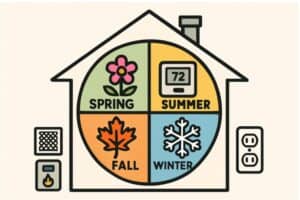
Confirm your thermostat is responding promptly and accurately by adjusting setpoints and observing the system’s response. A faulty thermostat can cause unnecessary system cycling or fail to maintain desired temperatures. For enhanced control, consider upgrading to a programmable or smart thermostat. These devices allow you to set cooling schedules, reducing energy consumption when the house is empty and ensuring comfort when you return home. Smart thermostats can even learn your preferences and suggest ways to lower costs. For more on creating an energy-smart home, review energy efficiency guides from trusted publications.
Fall & Winter Preparations
The transition to cooler weather means shifting attention from air conditioning to heating. Cold snaps and winter storms can expose weaknesses in your HVAC and electrical setups, leading to heating failures just when you need warmth the most. Failure to winterize your home’s systems could spell trouble when cold fronts hit. Prepare your home for lower temperatures with these essential tips:
Schedule Furnace Maintenance
Furnaces require annual checkups to ensure safe, efficient operation and detect hidden issues such as cracked heat exchangers or malfunctioning ignition systems. Technicians inspect burners, test safety features, and clean critical components to keep your system running smoothly. Scheduling a tune-up in early fall helps uncover potential issues before regular use begins, reducing your risk of midwinter breakdowns when technicians are at their busiest.
Check Carbon Monoxide Detectors
Heating systems that burn fuel, such as gas or oil furnaces, fireplaces, and space heaters, can produce carbon monoxide, an odorless and potentially deadly gas. Before you start using your furnace, test all detectors and replace the batteries. Set a reminder to check alarms every month during the winter. Add an extra layer of safety by upgrading outdated models or installing additional units near bedrooms and common areas. For more on the importance of carbon monoxide alarms, consider resources from the Consumer Product Safety Commission.
Seal Drafts
Even small gaps around doors and windows can cause significant heat loss and inflate your utility bills during cold months. Walk through your home on a breezy day and feel for air movement. Use weather stripping, caulk, or draft stoppers to seal leaky areas. This straightforward step not only preserves warmth but also enhances your HVAC system’s performance, allowing you to heat your home more efficiently and comfortably.
Inspect Electrical Systems
Winter storms and holiday usage, such as string lights, portable heaters, or extra kitchen appliances, can place heavy demands on your home’s electrical infrastructure. Inspect outlets, extension cords, and breaker panels for signs of damage, overheating, or wear. Tripped breakers or flickering lights may indicate a need for professional evaluation. Consider having a licensed electrician evaluate your system, particularly if your home is older or you’re planning central appliance installations that will draw significant power.
Year-Round Maintenance Tips
Seasonal preparedness is just one part of the longevity equation. Adopting best practices year-round builds a strong foundation, reduces emergency callouts, and ensures your family’s comfort no matter the season. Preventative tasks also catch gradual changes that occur outside of the high-demand seasons:
Regularly Clean Vents and Ducts
Dust, debris, pollen, and pet dander collect in vents and ducts, degrading indoor air quality and obstructing airflow. Clean vents every few months, and consult a duct-cleaning professional if you notice excessive buildup, persistent allergy symptoms, or odd odors when your HVAC is running. This small investment pays off quickly in both health and system efficiency, and helps keep your home’s air fresh year-round.
Monitor Energy Bills
Spikes in monthly utility bills often signal hidden issues with your HVAC or electrical systems, like a struggling motor, a refrigerant leak, or poor insulation. Monitor trends throughout the year and investigate unexplained increases. Compare your usage to the same period last year, accounting for seasonal extremes. Early detection of inefficiencies saves money and often prevents larger system breakdowns.
Keep Outdoor Units Clear
Outdoor HVAC units need unobstructed airflow to operate correctly. Maintain a perimeter of two feet around all sides by regularly removing leaves, weeds, mulch, or patio furniture in any season. This vigilance not only prevents overheating but also makes future cleaning and servicing easier and safer for professionals.
Test Backup Power Sources
Seasonal storms can cause unexpected outages. Regularly test generators or battery backups to ensure they function correctly and will power your essential systems when needed. Don’t forget to store extra fuel safely and schedule annual maintenance for whole-home standby generators to ensure uninterrupted power during emergencies or extreme weather.
Importance of Professional Inspections
While diligent DIY care plays a critical role, nothing replaces the expertise of a certified technician. During a professional inspection, specialists use advanced diagnostic tools to identify inefficiencies, worn parts, and safety risks that are not visible to the untrained eye. They can test electrical integrity, assess insulation, detect invisible leaks, and spot warning signs that the average homeowner might miss. Routine visits often include cleaning, system calibration, and recommendations tailored to your equipment’s needs, ensuring you receive the highest level of protection and performance.
Professional inspections also provide documentation for warranties and insurance claims, should issues ever arise. With annual or biannual service, you significantly reduce the likelihood of catastrophic mechanical failures, as potential problems are corrected early. Many reputable companies offer maintenance plans that provide seasonal reminders, discounts on repairs, and priority service, peace of mind that your home’s comfort systems are running at their best.
Staying ahead of seasonal changes helps your home remain a haven regardless of the weather outside. Couple routine homeowner tasks with expert service, and you will navigate every season with confidence and comfort. For more information on home maintenance and what to expect during inspections, explore advice from Family Handyman and similar trusted platforms.