
Table of Contents
- Understanding Your Space
- Choosing a Soothing Color Palette
- Incorporating Natural Elements
- Optimizing Lighting
- Selecting Comfortable Furniture
- Personalizing with Art and Decor
- Maintaining a Clutter-Free Environment
- Embracing Flexibility and Functionality
- Final Thoughts
Thoughtful design is the foundation of a welcoming home. When your environment nurtures relaxation and inspiration, it directly impacts your daily mood and productivity. A thoughtfully arranged space can serve as a retreat after a long day and as a canvas for creative or intellectual pursuits. Achieving this balance involves intentional choices, from the layout and flow of each room to the smallest decor details. Whether you are updating your current residence or moving into new Historic Chicago luxury apartments, these actionable design tips will help you create a home that reflects your personality, maximizes comfort, supports your mental well-being, and fosters joy in everyday living. Each design choice contributes to the unique character and atmosphere of your haven, ensuring it remains a place you love to spend time in.
Designing a harmonious space is not just about aesthetics. It requires aligning your lifestyle needs with your personal taste, making every choice count toward a specific purpose. The right palette, fabrics, and arrangements work together to transform rooms into vibrant sanctuaries. The process begins with understanding your unique space, its strengths, challenges, and opportunities, then evolves with your changing needs, and finally expresses your style through personal touches. By staying mindful of both function and appearance, you create an environment that adapts easily to new routines, guests, or hobbies. Intentional design goes beyond trends, instead creating lasting comfort that endures.
Understanding Your Space
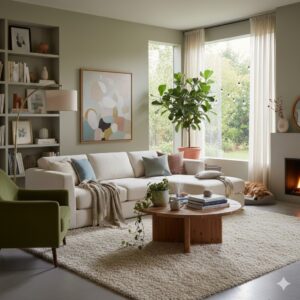
Begin by assessing the structural and natural characteristics of your home. Examine the dimensions, ceiling heights, and the placement and size of doors and windows. Take note of how natural light moves through each room throughout the day, identifying bright zones and shaded corners. Analyzing traffic flow patterns helps you determine how people move through the space, enabling better furniture placement planning. Additionally, identifying challenges, such as limited square footage, oddly shaped rooms, or outdated features, allows you to implement creative solutions that enhance comfort rather than restrict it. For example, maximizing vertical storage in compact spaces can free up floor area, while introducing lightweight dividing screens or area rugs creates a sense of order and purpose within open floor plans. Careful evaluation of architectural quirks, like alcoves or exposed beams, can spark innovative ideas for storage, display, or functional niches. Ultimately, understanding your home’s layout and light dynamics is the crucial first step toward crafting a space that feels balanced and usable.
Choosing a Soothing Color Palette
The right colors profoundly influence the atmosphere, perceived size, and even temperature of a room. Soft, neutral tones like ivory, taupe, or light gray provide a sense of calm that supports relaxation and focus. These shades create a versatile foundation, allowing you to layer seasonal or accent colors without overwhelming the space. Gentle pastels, such as misty blues, blush pinks, or muted greens, can introduce subtle variety and visual interest, delivering warmth and personality without overstimulating the senses. Accents of richer color used on pillows, rugs, or art inject vibrancy and reflect your taste. Taking care to coordinate color shades across furniture, wall paint, window treatments, and decorative items helps maintain visual harmony, which research has shown can positively affect mental well-being. Consider how paint finishes. Matte versus glossy affects the perception of space and how colors shift under different lighting throughout the day. Experimenting with sample swatches and small accessories allows you to refine your choices until every hue contributes to a cohesive, tranquil environment.
Incorporating Natural Elements
Integrating elements from nature can energize the atmosphere and elevate comfort levels in any living space. Houseplants like snake plants, pothos, or fiddle-leaf figs add splashes of green, boost air quality, and are well-suited for varying degrees of light. Caring for plants can also become an enjoyable routine that adds a sense of vitality to your home. Beyond greenery, consider using wooden accents like oak coffee tables, rattan chairs, or bamboo blinds to add warmth and organic character. Natural stone surfaces and water features, such as tabletop fountains or small aquariums, create tactile and visual interest while promoting relaxation. Textures matter: choose linen or jute for throw blankets, curtains, or area rugs to establish a grounded, soothing feel. Arrange collections of seashells, stones, or driftwood for a subtle nod to the outdoors, echoing the peace found in nature. Embracing natural elements not only enhances aesthetics but also builds tangible connections to the world outside, nurturing physical and emotional well-being.
Optimizing Lighting
Lighting is a crucial component in creating environments that are both practical and pleasant. Successful lighting plans begin by blending multiple light sources at various heights and intensities. Layering illumination from overhead fixtures and pendant lamps to table lamps and wall sconces guides the eye, adds dimension, and can be adjusted according to time of day or specific needs. For example, soft bedside lamps provide gentle evening light for winding down, while bright task lighting in kitchens or offices boosts efficiency and focus. Select bulbs that emit warm white light (between 2700 and 3000 kelvins) to encourage a cozy, intimate ambiance. Using LED technology can also improve energy efficiency without compromising on mood. Incorporate natural daylight as much as possible, sheer curtains diffuse harsh sun, and maximize brightness without glare. Installing dimmer switches or upgrading to smart lighting options allows for instant mood changes, supporting a range of activities from lively gatherings to quiet relaxation. Thoughtfully planned lighting highlights your home’s best features while making every space welcoming at any hour.
Selecting Comfortable Furniture
Furnishings serve as both anchor points for daily living and statement pieces that reveal your personal sense of style. Prioritize pieces that offer comfort, such as plush sofas with deep cushions, ergonomic chairs, or beds with supportive mattresses and quality bedding. Ideally, furniture should be welcoming to both you and your guests, encouraging lingering conversations or solitary relaxation. Streamlined designs with soft contours, rounded edges, and upholstered finishes lend a sense of ease, while understated details in stitching, legs, or handles bring subtle elegance without feeling stiff. Mixing vintage accessories, like antique mirrors, lamps, or framed art, with modern furniture introduces character and depth, counterbalancing the new with the familiar and making your rooms feel truly lived-in and inviting. Flexible seating, such as ottomans or easily movable chairs, offers versatility to accommodate gatherings, hobbies, or quiet moments. Smart furniture choices lay the groundwork for a home that invites you and your loved ones to unwind in comfort every day.
Personalizing with Art and Decor
Expressing individuality in your decor makes a home uniquely yours. Display collections, travel souvenirs, prized photos, or books that reflect your passions, and rotate artwork to renew visual excitement throughout the seasons. Hanging personal pieces, such as family portraits, abstract art, or framed prints, infuses rooms with energy and narrative. Texture variety through smart layering of textiles from velvet throws and patterned cushions to woven baskets and area rugs adds both comfort and sophistication. Incorporate handcrafted ceramics, glassware, or sculptural objects to spark curiosity and conversation. Each layer and artifact tells part of your story, creating a space that not only appeals to your senses but also resonates with your values and aspirations.
Maintaining a Clutter-Free Environment
Organization is key to maintaining a tranquil and efficient home. Select furniture with built-in storage, coffee tables with drawers, beds with storage underneath, or ottomans that open up to maximize space and reduce visible clutter. Designate attractive baskets, shelves, or boxes for daily essentials like keys, chargers, mail, and remote controls, making it easy to tidy up quickly. Streamlined surface organization, such as using trays or catchall dishes, prevents random items from piling up. Establishing routines, like daily tidying or weekly edits of personal items, helps prevent disarray from accumulating and keeps spaces feeling light and open. Periodically reassess your belongings and donate or repurpose items that no longer serve you. A clutter-free environment supports a sense of serenity and order, making it easier to relax, focus, and stay productive, no matter how busy life gets.
Embracing Flexibility and Functionality
Modern living requires adaptable spaces that serve multiple purposes, reflecting changes in household needs or routines over time. Consider investing in movable partitions, fold-away desks, or modular furniture that can be rearranged for different activities, such as work-from-home, entertaining, or relaxation. Choose expandable dining tables, nesting tables, or convertible sofas for spaces that regularly serve guests. Multipurpose rooms, like guest rooms that double as home gyms or play areas, can also boost property value and provide practical benefits for various lifestyle changes. Prioritizing flexibility ensures your living space evolves with you, easily accommodating new hobbies, technological advances, or family growth. A flexible design empowers you to make your home work for every chapter of your life, no matter how your needs change.
Final Thoughts
Designing comfortable and inspiring living spaces is a dynamic, ongoing process. Continually adjusting your environment in response to life’s changes ensures that your home remains welcoming and relevant for years to come. With a thoughtful approach to color, furniture, lighting, and personal touches, every home can become both a sanctuary and a source of inspiration, one that truly supports joyful, mindful living.