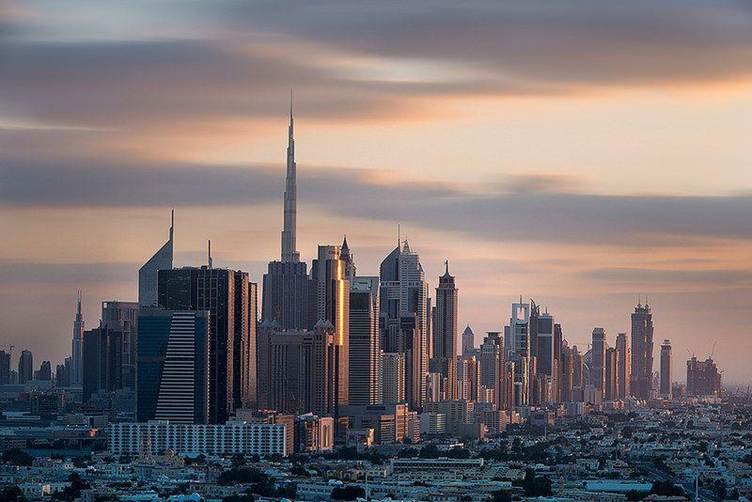
The United Arab Emirates has transformed into the most competitive market for high-end property development globally. Cities like Dubai and Abu Dhabi now attract a massive influx of wealthy buyers and global investors. This surge in demand creates an intense environment for builders and brands. A record number of millionaires relocated to the region recently, pushing the market to new heights.
Understanding the forces behind this growth helps buyers and industry professionals navigate the landscape. This article explores the economic drivers, developer strategies, and investor perspectives shaping the UAE property sector. The local market dynamics offer valuable lessons on how luxury real estate operates on a global scale.
Why the UAE is a Global Luxury Real Estate Hub
Wealth Migration and HNWI Inflows
A major factor fueling property demand is the rapid migration of global wealth. In 2024, the UAE welcomed over 6,700 millionaires to its cities. Early forecasts suggest this number could rise to 9,800 high-net-worth individuals by 2025. These affluent buyers seek secure environments and premium lifestyles. They concentrate their capital in a relatively small market. This influx directly pushes the demand for ultra-luxury homes and branded residences.
Investor-Friendly Policies and Visas
The government has implemented several initiatives to attract and retain foreign capital. The absence of a personal income tax serves as a massive draw for global investors. Programs like the Golden Visa offer long-term residency linked directly to property investment. These measures significantly reduce the barriers to entry for wealthy buyers. Strong regulatory frameworks also protect real estate transactions and improve overall buyer confidence. Consequently, international buyers feel secure parking their wealth in local assets.
Booming Branded-Residence Pipeline
The region currently boasts a massive pipeline of branded residential projects. Developers are launching a record number of luxury buildings tied to famous hospitality and fashion brands. The Middle East exhibits the strongest activity globally in this sector. Experts project immense growth in branded schemes over the next few years. This deep pipeline gives buyers an incredible amount of choice. It also forces builders to constantly innovate to capture buyer attention.
Strong Economic Fundamentals and Diversification
A robust macroeconomic backdrop supports the high-end property boom. The national economy has successfully diversified away from a strict reliance on oil. Growth in sectors like tourism, finance, and technology creates a stable business environment. This economic stability gives investors the confidence needed to purchase premium assets. A strong local economy ensures that the property market rests on solid foundations. Buyers trust that their investments will hold value over the long term.
World-Class Infrastructure and Global Connectivity
Exceptional infrastructure makes local cities highly appealing to the global elite. The country sits at a strategic crossroads between Europe, Asia, and Africa. Expanded air links provide seamless travel for international business leaders and second-home buyers. The government continually invests in smart city technologies and modern transit systems. These world-class amenities match the expectations of ultra-wealthy residents. High connectivity remains a crucial selling point for premium developments.
Intense Developer and Brand Competition
Limited prime land creates fierce rivalry among top builders. Waterfront plots and exclusive island sites are increasingly scarce. Multiple projects often target the same segment of wealthy buyers. This dynamic produces scarcity pricing across clustered luxury districts. Any Luxury real estate developer in UAE must deliver exceptional quality to stand out. This intense competition drives rapid product innovation and elevates the standard of living for residents.
How Developers Compete in the UAE Market
Brand Partnerships and Hospitality Integration
Builders frequently partner with world-renowned hospitality brands to attract buyers. These collaborations integrate five-star hotel services directly into residential buildings. Residents can enjoy daily housekeeping, in-house dining, and dedicated concierge teams. This level of service transforms a standard apartment into a managed lifestyle experience. The integration of luxury brands gives properties immediate global recognition. Buyers are willing to pay a premium for the trust associated with these famous names.
Experiential Amenities and Architectural Showpieces
Standard swimming pools and gyms no longer satisfy affluent buyers. Modern developments feature experiential amenities like private marinas, wellness retreats, and climate-controlled beaches. Companies hire celebrity architects to design visually stunning towers that dominate the skyline. Sustainability has also become a major focus for premium projects. Builders integrate smart home systems and energy-efficient designs to appeal to eco-conscious investors. These unique features help properties stand out in a crowded landscape.
The “Luxury Sameness” Marketing Pressure
The race to offer the best amenities creates a unique marketing challenge. As every building claims to offer unparalleled luxury, projects begin to look identical to consumers. This phenomenon is often referred to as luxury sameness. Developers must spend heavily on aggressive marketing campaigns to differentiate their offerings. They host extravagant launch events and produce cinematic promotional materials. Breaking through the noise requires constant creativity and massive advertising budgets.
The Investor’s Perspective in the UAE
Attractive Returns and Rental Yields
Buyers look closely at the financial performance of local properties compared to other global hubs. Cities like Abu Dhabi offer competitive rental yields ranging from five to eight percent. These returns outpace many traditional luxury markets in Europe and North America. Property values have also seen significant appreciation over recent years. Investors can generate steady passive income while benefiting from capital growth. This dual financial advantage keeps international capital flowing into the region.
Capital Preservation and Buyer Profiles
Wealthy individuals view the local market as a haven for their assets. Capital preservation is a primary goal for buyers migrating from economically volatile regions. The buyer profile includes ultra-high-net-worth individuals and everyday millionaires seeking stability. These investors prefer tangible assets in a secure, tax-friendly jurisdiction. The property market provides a reliable store of wealth against global inflation. This protective narrative strongly influences purchasing decisions at the top end of the market.
Risks and Considerations in the Luxury Market
Oversupply Risk in Non-Prime Segments
While the premium sector remains robust, investors must watch overall supply levels carefully. Developers launch thousands of new units every quarter. There is a potential risk of oversupply in the non-prime segments of the market. If building outpaces population growth, rental yields in secondary locations could soften. Prime waterfront properties generally hold their value better due to physical land constraints. Careful asset selection is vital to mitigate the risks associated with high construction volumes.
Geopolitical and Regulatory Shifts
The local economy is deeply integrated into the global financial system. This openness makes the property sector susceptible to broader geopolitical shifts. Changes in international trade relations or global interest rates can impact buyer sentiment. The government frequently updates regulations to maintain a competitive edge. Investors need to monitor these legal and economic changes closely. Staying informed helps buyers anticipate shifts in market momentum.
Sustainability and Operational Costs
Maintaining ultra-luxury amenities requires significant financial resources. High operational costs can impact the long-term profitability of an investment. Service charges in branded residences are often much higher than in standard buildings. Furthermore, extreme climate conditions require constant cooling and careful resource management. Buyers are increasingly scrutinizing the energy efficiency and sustainability credentials of new buildings. Properties with lower environmental impacts tend to offer better long-term value.
Looking Ahead at the Property Landscape
The intense competition in the local real estate sector shows no signs of slowing down. Developers will continue to push the boundaries of design and lifestyle offerings. Buyers will benefit from an ever-expanding array of premium choices. Success in this market requires a clear understanding of supply dynamics and neighborhood differentiation. Investors should prioritize projects that deliver genuine quality and sustainable long-term value.
Meta data
Meta title
Why the UAE Leads Global Luxury Real Estate in 2026
Meta description
Discover the key drivers making the UAE the most competitive arena for luxury real estate development, from wealth migration to branded residences.