A reliable furnace is essential for maintaining a comfortable home during colder months. When temperatures drop, homeowners depend on their heating systems to provide consistent warmth, maintain indoor comfort, and help protect plumbing and other household components from freezing conditions. However, like any mechanical equipment, a furnace can develop problems over time. Recognizing early warning signs can help you address minor issues before they become more disruptive or expensive.
Knowing when to schedule furnace repair from Varsity Zone HVAC can help you respond to heating problems before they leave your household without adequate warmth. Whether your furnace produces unusual noises, struggles to maintain the desired temperature, or causes unexpected increases in energy bills, professional troubleshooting can identify potential causes. Understanding the symptoms of a malfunctioning furnace also helps you determine when to contact a qualified technician.
Common Signs Your Furnace Needs Attention
Uneven Heating Throughout Your Home
If some rooms feel warm while others remain cold, your heating system may not be distributing air properly. Several factors can contribute to uneven temperatures, including blocked vents, dirty filters, airflow restrictions, ductwork problems, or a malfunctioning component.
Start by checking that supply vents are open and unobstructed. Replace a dirty air filter if necessary, following the manufacturer’s instructions. If temperature differences continue, a professional inspection can help determine whether the problem involves the furnace, ductwork, or another part of the heating system.
Strange Noises or Unusual Odors
Furnaces normally produce some operational sounds, but sudden or persistent changes may indicate a problem. Banging, scraping, rattling, or repeated clicking can be associated with loose components, ignition issues, or mechanical wear.
Pay attention to unusual odors as well. A brief dusty smell when starting a furnace for the first time in a season may be normal, but persistent burning or electrical odors should not be ignored.
Important safety note: If you smell gas or suspect a gas leak, leave the building immediately without operating electrical switches or using anything that could create a spark. Contact your gas utility or emergency services from a safe location. If a carbon monoxide alarm sounds, get everyone outside and seek emergency assistance.
Heating Problems That Require Professional Diagnosis
Your Furnace Frequently Turns On and Off
A furnace that repeatedly starts and stops may be experiencing short cycling. Possible causes include restricted airflow, an overheating condition, thermostat problems, or a component malfunction.
Frequent cycling can interfere with comfort and may increase energy consumption. Check the air filter and ensure that vents are not blocked. If the behavior continues, arrange a professional assessment rather than repeatedly resetting the equipment.
Your Energy Bills Have Increased Unexpectedly
A sudden rise in heating costs may indicate that your furnace is working harder than necessary. Dirty filters, poor airflow, aging components, thermostat settings, or duct leaks can affect system performance.
Compare your energy usage with previous periods while considering changes in weather and household routines. If costs remain unusually high without an obvious explanation, a technician can inspect the system and identify opportunities to restore proper operation.
Other warning signs to watch for include:
- The furnace struggles to reach the thermostat setting.
- The system blows cool or lukewarm air during a heating cycle.
- The thermostat display or controls behave inconsistently.
- The furnace shuts down unexpectedly.
- The system requires frequent resets or repeated service calls.
What to Expect During Furnace Repair
Inspection and Troubleshooting
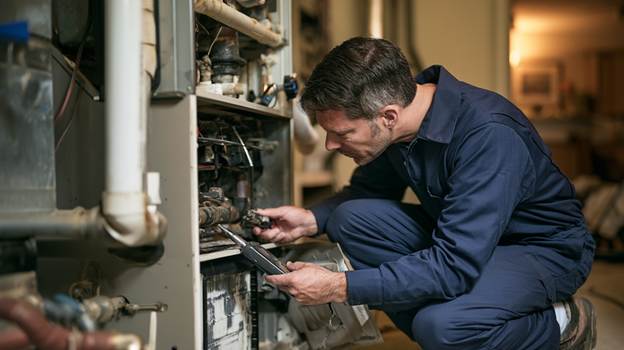
A qualified HVAC technician typically begins by reviewing the symptoms and inspecting relevant system components. Depending on the issue, this may include checking the thermostat, air filter, blower, ignition system, safety controls, and airflow.
After identifying the likely cause, the technician should explain the recommended repair, associated costs, and any alternatives before proceeding. Ask whether replacement parts are available and whether the proposed work includes testing the furnace after repairs.
Repair or Replacement?
Not every furnace problem requires a new system. Straightforward repairs may restore normal operation, while recurring breakdowns, major component failures, and older equipment may justify comparing repair costs with replacement options.
A professional can consider the furnace’s age, condition, efficiency, and repair history when discussing the most practical choice.
Prevent Future Heating Problems
Schedule Regular Maintenance
Routine maintenance can help identify developing issues and keep your heating equipment operating as intended. Homeowners can replace filters as recommended, keep vents clear, and pay attention to changes in system performance. Annual professional maintenance is also worth considering, especially before the heating season begins.
Keep Your Home Warm and Comfortable
Recognizing furnace warning signs early can help reduce unexpected disruptions and support reliable home heating. Uneven temperatures, unusual noises, frequent cycling, and unexplained energy increases are all reasons to investigate further.
By arranging professional diagnosis when needed and maintaining your equipment regularly, you can make informed decisions about furnace repairs and help keep your home comfortable throughout the colder months.