A leaking faucet may seem insignificant. It’s a noise that becomes part of the background, not an issue you address immediately. However, that small drip is adding to a bill that you will only notice later on – through increased water bills, damaged pipes, new mold, and a repair bill that is exponentially higher than necessary if you had just taken care of the issue at an earlier stage.
The drip that isn’t free
A single dripping tap can waste hundreds of litres of water a month. On a metered supply, that’s not background noise – that’s money going straight down the drain, literally, every single day it goes unfixed. The EPA’s WaterSense program estimates that the average household loses nearly 10,000 gallons a year to leaks, and that leaks can account for around 10% of total water use in a typical home. Multiply that by however many “minor” drips and slow leaks are sitting unnoticed in your walls, under sinks, or behind appliances, and the number stops being trivial.
Water pressure fluctuations are another symptom people brush off. A tap that suddenly sprays weaker, or a shower that surges and drops, often points to a hidden leak somewhere in the system rather than a quirk of your local supply. It’s easy to assume it’ll sort itself out. It won’t.
Scheduled repair versus emergency callout
This is the point where the math does not lie. Generally, the emergency and out-of-hours service rates are double or triple those during regular business hours. For instance, a burst pipe on a Sunday night will cost you a lot more than if you had booked the job for a Tuesday morning. Booking a qualified, Gas Safe-registered engineer for regular maintenance – the kind of scheduled work a firm like 2nd City Gas Plumbing & Heating handles day to day – will cost you a fraction of the price you will pay when the problem turns into an emergency in the middle of the night. Proactive plumbing and boiler maintenance do not represent an additional cost. It is actually what helps you to avoid even higher costs.
Small leaks don’t stay small
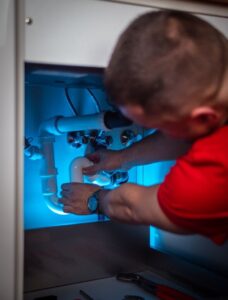
Here’s the part that catches people out: plumbing problems don’t sit still. A drip against metal pipework accelerates corrosion. Moisture works into joints, loosens fittings, and weakens the surrounding material over time. What starts as a £50 fix – a new washer, a tightened joint – can quietly become a full section of failed pipework six months later. We’ve seen jobs that would have cost a couple of hundred pounds turn into full re-plumbing work running into the thousands, purely because nobody dealt with the original leak while it was still small.
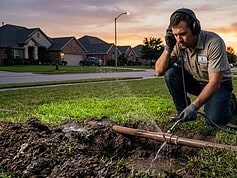
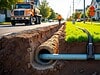
Slab leaks are the extreme version of this. These are hidden leaks running under the foundation, often invisible until you notice unexplained damp patches, warm spots on flooring, or a water bill that’s crept up for no obvious reason. By the time a slab leak announces itself, it’s usually already caused structural damage that’s expensive and disruptive to put right.
Drain blockages follow a similar pattern. A slow-draining sink is rarely just a slow-draining sink – it’s often the first sign of a building obstruction that will eventually back up and cause a much bigger mess, at a much worse time.
The health cost nobody budgets for
Continuous moisture from persistent damp due to a small, ongoing leak harms more than your living conditions – it creates mould. Respiratory problems are associated with exposure to mould, with children suffering from asthma particularly at risk. This is where the “hidden cost” comes in that isn’t on the bill. Mould remediation is a further cost in addition to fixing the plumbing, and the potential impact on your family’s health is the part of the puzzle that you really don’t want to play down just because the leak doesn’t seem like a big one.
Why your insurance won’t bail you out
Many homeowners believe that this type of damage would be covered under their home insurance policy, but the reality is quite different. Most standard policies specifically exclude gradual damage, leaking pipes, and maintenance issues – which is what damage resulting from ignored minor plumbing issues would be considered. Insurance is designed to cover sudden, accidental damage, not damage as a result of a maintenance issue you failed to address. If an insurer can prove the damage was avoidable, you’re likely footing the entire repair bill.
Don’t DIY your way into a bigger problem
It can be tempting to try fixing something yourself. Especially if it seems like a simple problem. However, DIY repairs on gas appliances, boilers, or water heaters can violate building codes, nullify manufacturer guarantees, and sometimes pose a real safety hazard. Sediment or a defective pressure valve on your water heater may sound like a DIY repair but it’s actually a job that requires a professional engineer since errors are costly in terms of both money and safety.
It’s always the same with all of these instances. What you pay to fix today is less expensive than what you’ll pay to repair in six months. Getting it scheduled now on your terms is the plumbing choice that always pays for itself.